With Manchester City facing Huddersfield Town this weekend in the FA Cup here’s a reminder of some previous City-Huddersfield meetings caught on film. The earliest surviving film of a game between the two clubs is a FA Cup tie from 98 years ago: https://www.britishpathe.com/asset/51830/
Here’s a City win from February 1972 with a goal from Tommy Booth:
The series of features/articles covering Manchester City in the 1970s continues with the day the Northern Premier League’s Wigan Athletic came to Maine Road to face the ECWC & League Cup holders City. Who’d have thought that one day these two clubs would meet in a FA Cup final and that Wigan would be victorious? Hang on, let’s not talk about that. Let’s get back to the 1970s…
Colin Bell netted the only goal of this day (2 January) in 1971 and you can watch it here:
The Wigan Athletic Supporters Club website tells the Wigan perspective on this day and is well worth reading:
‘The third round draw pitted them against Manchester City away at Maine Road. City at the time were holders of the League Cup and European Cup-Winners Cup and were doing well in the League. Their team that day, 2 January 1971, was full of star names: Joe Corrigan in goal; Tony Book, Arthur Mann, Mike Doyle, Tommy Booth, Alan Oakes, Mike Summerbee, Colin Bell, Francis Lee, Neil Young and Derek Jeffries, with Frank Carrodus on the bench.
‘Latics had in their line-up Dennis Reeves; Alan Turner, Billy Sutherland, Gordon Milne, Doug Coutts, Ian Gillibrand, Derek Temple, Bobby Todd, Geoff Davies, Jim Fleming and Graham Oates with sub Ian Ledgard.
‘The referee was one of the top officials of the time, Pat Partridge from Middlesbrough.
‘Both teams changed their strip, City into their renowned (at the time) black and red striped shirts with black shorts – the colours they’d worn to victory in both the FA Cup in 1969 and the European Cup-Winners Cup in 1970. Latics wore all white with blue trim. But best of all, BBC’s “Match of the Day” cameras were there to record the scene.
‘Not being overawed by their European trophy-holding opponents, or by the 46,212 fans, Latics held out until the 72nd minute when goalkeeper Dennis Reeves’ boot split when taking a goal-kick. The ball went to Neil Young, who flicked it inside to Colin Bell, who made no mistake. One goal was enough for City, and two late fine saves from Joe Corrigan put paid to Latics’ dreams. They received a standing ovation from the crowd.‘
You can read more on Wigan’s season and history at the Wigan Athletic Supporters Club website:
This series of articles and features on Manchester City in the 1970s will run throughout January with indepth articles some days and smaller ‘on this day’ style posts on others. There will be flashbacks to great games, players and more. Every day in January will offer something to enjoy.
If you enjoy all the free material on my website and would like to support my research and keep this website going (but don’t want to subscribe) then why not make a one-time donation (or buy me a coffee). All support for my research is valued and welcome. It allows me to keep some free material available for all. Thanks.
Subscribers will get access to everything. If you want to know more on this incredible decade for Manchester City Football Club then why not subscribe and read it all? You could even subscribe for a month and see what you think. The following 5,600 word article is on the successes of 1970 and is available to subscribers below. Enjoy!
Subscribe to get access – Monthly
Read more of this content when you subscribe today. It costs £3 per month (cancel anytime) to access everything posted since 1 October 2022 or there’s a special annual rate below which gives greater access and works out much cheaper.
Read more of this content when you subscribe today. It costs £3 per month (above) or £20 a year (here) to access everything posted since the site was created in December 2020. This special rate works out about £1.67 a week and gives access to everything posted, including PDFs of 3 of my books.
City v Newcastle is one of the most enduring fixtures in English football. There have been cup finals, title deciders, dramatic games, shared heroes and so much more. The two clubs first met in the League in October 1893 (Ardwick/MCFC’s 2nd season in the League) and have since played each other 189 times overall with City winning 76 and Newcastle 72 games.
As tonight is a League Cup tie, the most famous meeting of the teams in that competition came in 1976 at Wembley when Peter Barnes and Dennis Tueart both scored for the Blues.
Most Blues of my age and above will remember where they were when our King returned to action on Boxing Day 1977. Here’s an interview I did with him a few years back when we talked about that special day:
There was a really odd thing a while back where a Newcastle paper claimed that their local team had first worn bar scarves at games. A few simple searches soon proved there were much earlier bar scarfs:
If you enjoy all the free material on my website and would like to support my research and keep this website going (but don’t want to subscribe) then why not make a one-time donation (or buy me a coffee). All support for my research is valued and welcome. It allows me to keep some free material available for all. Thanks.
During the 1920s Manchester City had a goalkeeper Jim Mitchell who played in glasses – not specially produced glasses, ordinary glasses of the period!
Here are some images of him in action. I’m not quite certain what’s happened but it looks like he changed his shirt during the game because these are definitely from the same match:
Born in Prestwich, Jim Mitchell was a former Manchester University and Northern Nomads ‘keeper. He also had spells at Blackpool and at Preston where he gained an extremely good reputation. He gained several significant honours and was the Great Britain goalkeeper at the 1920 Olympics. He also kept goal for Preston in the 1922 FA Cup final (the last played at Stamford Bridge before Wembley Stadium opened) against Huddersfield and hit the headlines by leaping around while a penalty was being taken against him – this caused the rules to be changed.
He joined City shortly after the final and replaced Goodchild as City’s number one the following September, making his debut on 9th September 1922 at home to Birmingham. Despite wearing glasses – on the pitch as well as off it – Mitchell was an agile ‘keeper and made 22 appearances in his first season.
Always an amateur, Mitchell made history by being City ‘keeper for the first game at Maine Road (25th August 1923) and was generally recognised as a quality ‘keeper by neutrals. He was certainly known nationwide and was capped at both an amateur level and for the full England side.
He later had a spell at Leicester, though he never appeared in their first team, and joined the footwear firm Stead & Simpson. He went on to become their Managing Director. He passed away in 1975.
Appearances: League: 99 FA Cup: 10
Search my site and you’ll find film of Mitchell at Maine Road’s opening game in 1923. There’s also much more on this 1924 FA Cup semi final featuring Mitchell. It was Billy Meredith’s last game and subscribers can read more and watch film of it here:
I like this colour team photo of Manchester City which was taken as part of the build-up to the 1955 FA Cup final between the Blues and Newcastle United. City lost that final – and at the time of writing it remains the last major domestic trophy won by the Geordies.
At least two of the men here later had involvement in women’s football with the Manchester Corinthians. Bert Trautmann acted as an ambassador for the pioneering women’s team later in the 1950s while Dave Ewing coached the team when it used City’s Platt Lane facilities in the late 1970s/early 1980s. You can find out more about the Corinthians here:
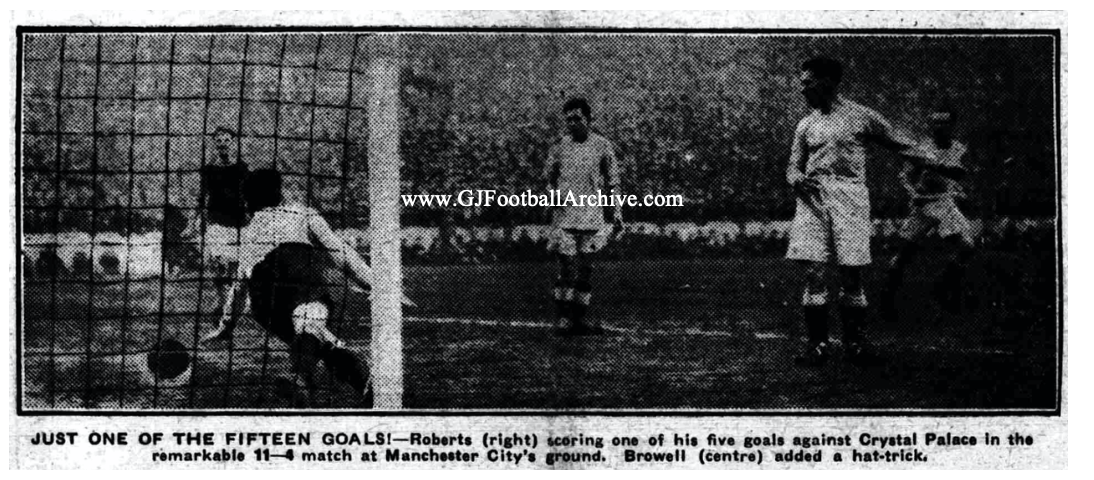
For Day 91 of the 100 day Maine Road countdown until the centenary of City’s old stadium is a flashback to one of the earliest seasons for the old place. In particular I’m talking about a remarkable City victory against Crystal Palace in the FA Cup, way back in 1926. Why is this significant? Well, it was possibly the first season or at the least the prime example of a season when the old phrase ‘Typical City!’ was first established. Fortunately Typical City rarely raises its head these days but back in 1925-26 it was very much to the fore. Read on for more…
City hadn’t had a manager since November 1925 (believing instead that vice chairman Albert Alexander could lead the other directors in selecting the team) and were struggling in the League when the Blues played a FA Cup fifth round tie against Crystal Palace on 20 February 1926. The tie turned out to be a fifteen goal thriller with City in rampant form.
By half-time the score at Maine Road was 7-0 to the Blues, but Palace would not give up and quickly pulled back four goals. City were knocked out of their period of complacency and soon found their goalscoring touch again.
By the end it was 11-4 and, according to a number of spectators present on the day, Manchester fans rushed on at the final whistle and carried off the Palace ‘keeper Callendar shoulder high. It’s the sort of thing City fans would do back then! Apparently he had played extremely well and, somehow, managed to keep the score down, although one cannot help wondering if he’d have been given such a reception had the scores been reversed.
Frank Roberts was the City star for this particular game, scoring a remarkable five, while Tommy Browell also earned a few plaudits with his hat-trick. Browell had been ill for most of the week and had been unable to train.
With no management and such a miserable time in the League, no one could believe how City had been able to deliver such strong cup performances.
Remarkably, film of the game has survived and can be viewed here:
Roberto Mancini has left his role as Italy’s men’s football manager. Hopefully, he’ll be back in club management soon and maybe in the Premier League too. His contribution to Manchester City’s history is huge and so I think it’s worth reposting this audio special I did a couple of years ago. It’s a special audio recording talking about the years building up to the 2011 FA Cup success brought to City by Mancini. It includes some audio I did with him back in 2011 too. Enjoy this reminder of a time when Mancini helped transform City’s fortunes.
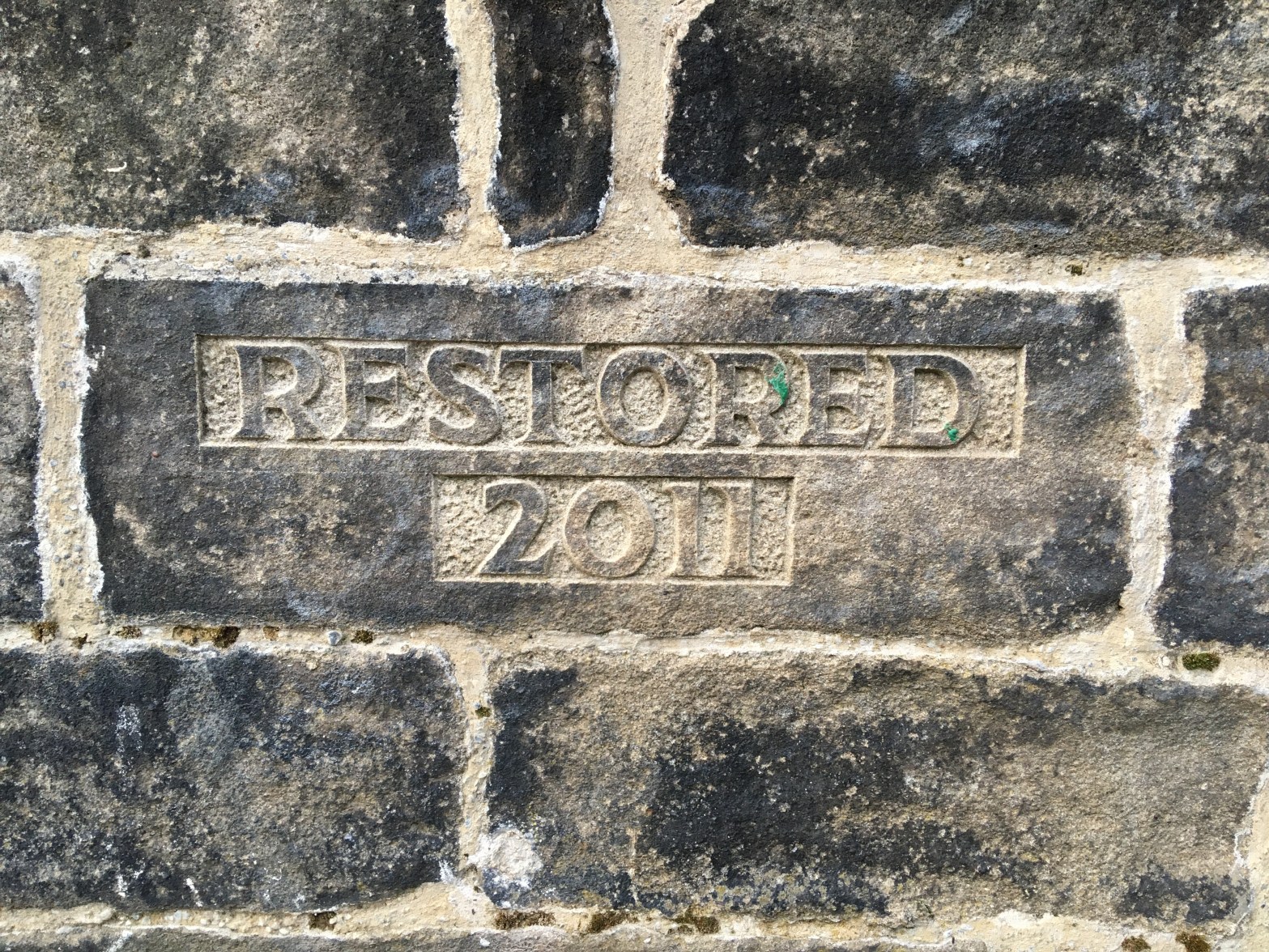
Restored 2011: The All-Manchester FA Cup Semi Final is a special 1 hour audio recording looks at the game and the years between the 1976 League Cup success and the FA Cup glory of 2011. The 2011 semi-final was a crucial step in City’s journey since the 2008 takeover and I felt it was vital to do a special marking this.
So what’s in this special recording? Well, I’ve included exclusive material from interviews and recordings I’ve done over the years with Garry Cook, Brian Marwood, Roberto Mancini, Peter Barnes and Peter Swales. Why Swales? Well, have a listen and you’ll hear why. Basically though I’m trying to set the tone for why the 2011 FA Cup semi final victory and overcoming Manchester United was so significant.
On Mancini… I include a few words from him recorded in 2011 and at one point he talks about the view that was then being expressed that City were ‘trying’ to buy success (now they say City ‘have’ bought success!). His words are a reminder that City have been having that particular criticism thrown at them for over a decade! Oh well, I wonder how long those criticisms were laid at other clubs who had seen major investment which propelled them forward?
Anyway, get yourself a brew and be prepared to be transported back in time. Here’s the recording:
If you enjoy the recording then please let me know, comment or subscribe to the site. I’ve produced videos/talks like this highlighting key points in Manchester City’s footballing history which subscribers can watch.
Subscribe to get access – Annual
Read more of this content when you subscribe today. It costs £20 a year to subscribe (it works out £1.67 a month) or £3 if you’d like to sign up a month at a time. Annual subscribers get full access for as long as you subscribe (you can always try it for a month). It’s worth bearing in mind that the 2010 Manchester A Football History cost £24.95 and all subscribers will be able to access all of that for as long as they are a subscriber (plus all the other stuff of course).
It costs £3 a month to subscribe a month at a time. Why not give it a try! Monthly subscribers get access to everything posted since 1 October 2022 for as long as you subscribe.
If you enjoy all the free material on my website and would like to support my research and keep this website going (but don’t want to subscribe) then why not make a one-time donation (or buy me a coffee). All support for my research is valued and welcome. It allows me to keep some free material available for all. Thanks.
Post 85 of my Maine Road 100 countdown is a FA Cup reminder of a day that I know I loved as a kid. It was the day (24 January) in 1981 when John Bond’s Manchester City defeated his former club Norwich 6-0 in the FA Cup fourth round tie. I was sat in that uncovered bit between the Main Stand and the North Stand (it was cheaper but if it rained it was somewhat unpleasant, especially when the rain blew off the Main Stand roof on to us!).
This 1971 image shows the area I was sat in (number 2) that day:
Maine Road aerial 1971 from Farewell To Maine Road
Subscribers can read a report and watch highlights of the game here:
Subscribe to get access
If you would like to read this and all the other great content on here then please subscribe. Annual subscribers (£20 per year, sign up here) get access to everything posted on the site including PDFs of 2 of my out of print books and archived content like my exclusive audio interviews with John Bond, Malcolm Allison etc. Not only that but you’ll be helping to support this site’s development.
If you would like to read this and all other great content on here then please subscribe. Monthly subscribers (£3 per month, cancel anytime and sign up here) get access to everything posted on the site since 1 October 2022. Not only that but you’ll be helping to support this site’s development.
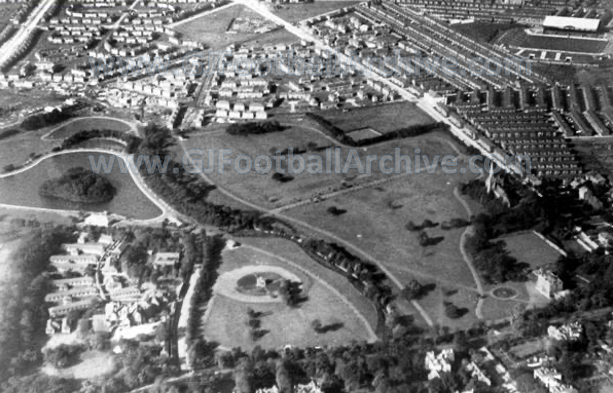
For post 77 in my Maine Rd 100 countdown a reminder of a record City have held for almost a century! This image is of a day in 1924 when City attracted the highest crowd on a club ground. The drawing is looking from the Main Stand towards the Popular Side, later Kippax. It’s no longer the record attendance because it was beaten by another record crowd at Maine Rd a decade later. Want to know more? The read on…
1925 Aerial photo of Maine Road and Platt Fields Park
A record Manchester City have held for 99 years was set on 8 March in 1924 – the record is the highest attendance on a club ground! The record set in 1924 saw 76,166 attend City v Cardiff. City had moved to their new Maine Road stadium in August 1923. The capacity of the venue was estimated at around 90,000 but was actually approximately 83,000 when the stadium opened (it was enlarged in 1931 and 1935).
In its first season the capacity was tested and, on that day (8 March) in 1924 the largest attendance for any footballing fixture (including three FA Cup Finals) in Manchester gathered to watch the Blues. This was also, at the time, the record crowd for any game played on an English club ground. It was beaten ten years later when 84,569 watched City v Stoke. You can read about the remarkable day in 1924 below:
Subscribe to get access
Read more of this content when you subscribe today. It costs £20 a year (access to everything) or £3 per month (see below).
Read more of this content when you subscribe today. It costs £20 a year (see above) or £3 per month (cancel anytime; access to everything posted since 1 October 2022).
This has been a sample of the material on http://www.GJFootballArchive.com If you would like to read all the in-depth articles (including the entire Manchester A Football History book and the audio interview with John Bond) then please subscribe. It works out about £1.67 a month if you take out an annual subscription (£20 per year) or £3 a month if you’d like to sign up for a month at a time. Each subscriber gets full access to the 260+ articles posted so far and the hundreds scheduled to be posted in the coming weeks.
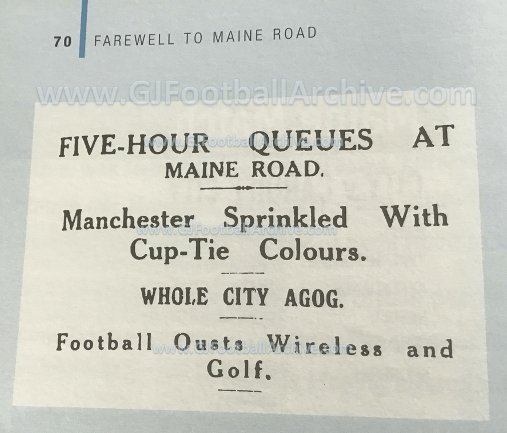
For post 76 of my Maine Rd 100 countdown a reminder of a day when over 74,000 watched managerless Manchester City at Maine Road. The image is of Frank Roberts, a City star that day. That day (30 January 1926) City faced Huddersfield Town in a FA Cup tie at Maine Road, watched by 74,799.
The following article, for subscribers to GJFootballArchive.com, provides the background story to the tie and film of the game.
Subscribe to get access – Annual
If you would like to view this article then please subscribe below. It works out about £1.67 a month if you take out an annual subscription (£20 per year) or £3 a month if you’d like to sign up for a month at a time (below). Annual subscribers get full access to the 1000+ articles posted so far and the hundreds scheduled to be posted in the coming weeks.
If you would like to view this article then please subscribe below. It works out about £1.67 a month if you take out an annual subscription (£20 per year, above) or £3 a month if you’d like to sign up for a month at a time (here). Monthly subscribers get full access to everything posted since 1 October 2022 and the hundreds scheduled to be posted in the coming weeks.






 Gary James' Football Archive