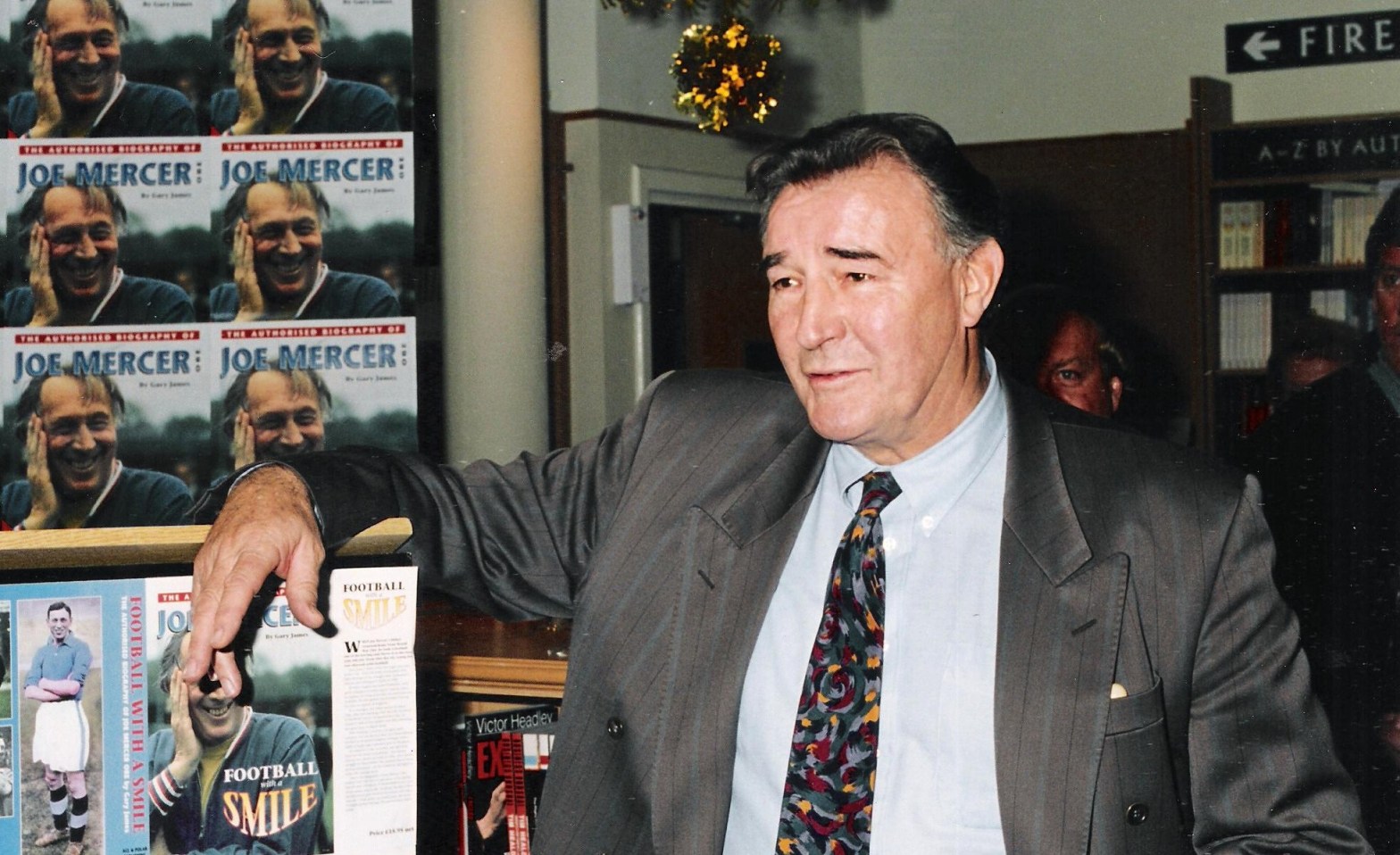
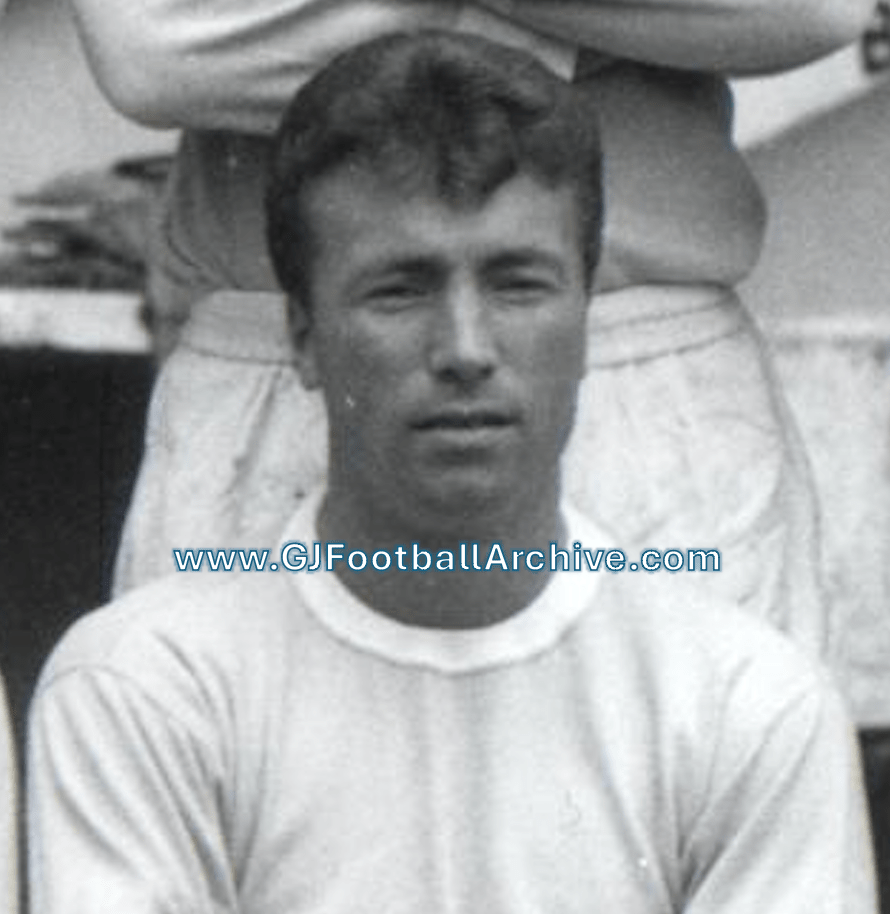
On this day (July 20) in 1965 Malcolm Allison was formally interviewed by the Manchester City board to be manager Joe Mercer’s assistant. Mercer had wanted to bring Allison in since he took the job earlier in the month. Here is a feature I did on Allison back in January 2005.
I first interviewed Malcolm in 1991, and, using material from several conversations with him, and in 2005 I took the opportunity of a MCFC v Crystal Palace game to remind everyone of his significance. Today, for subscribers, I’m posting it here.
Subscribe to get access
Read this article and all other content when you subscribe today.
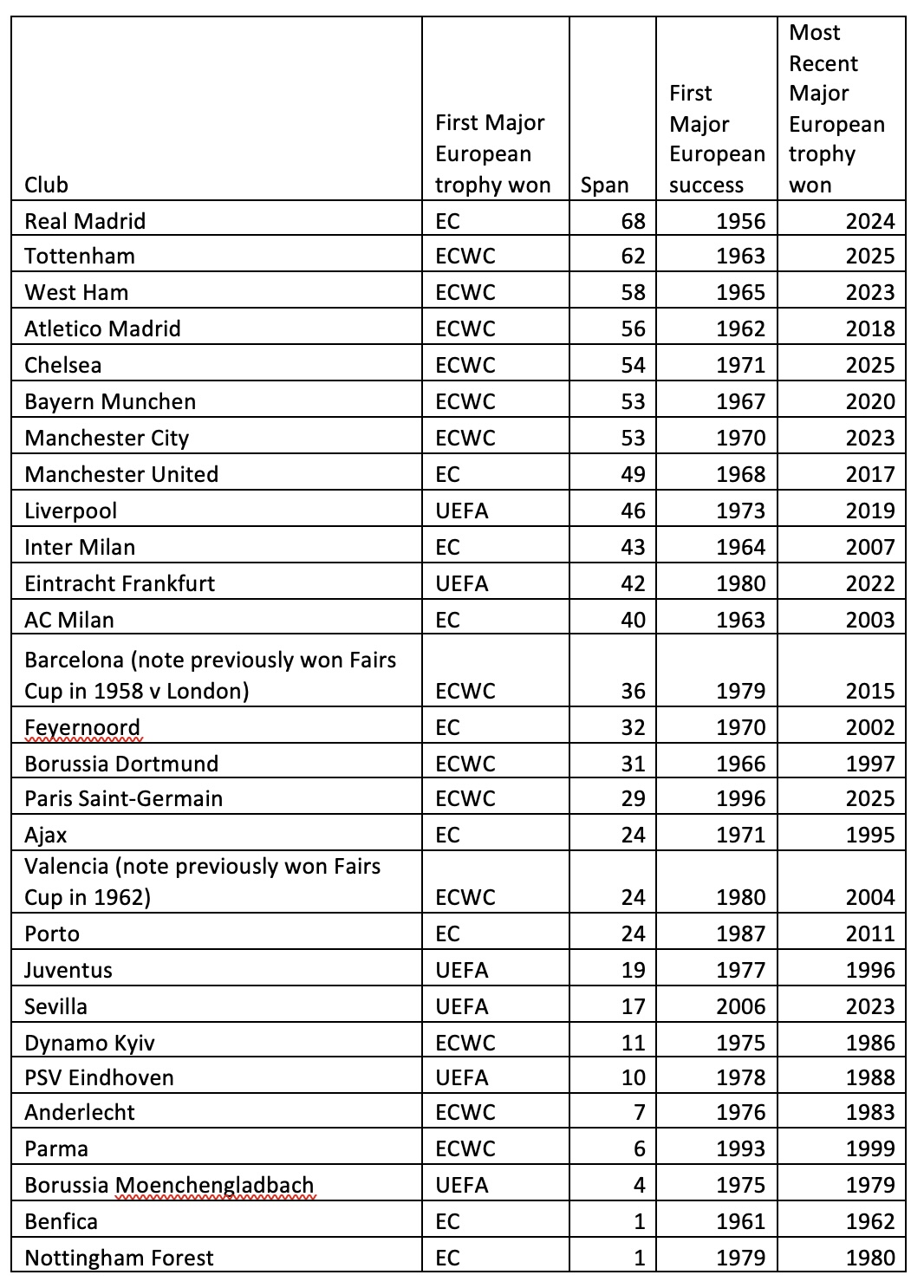
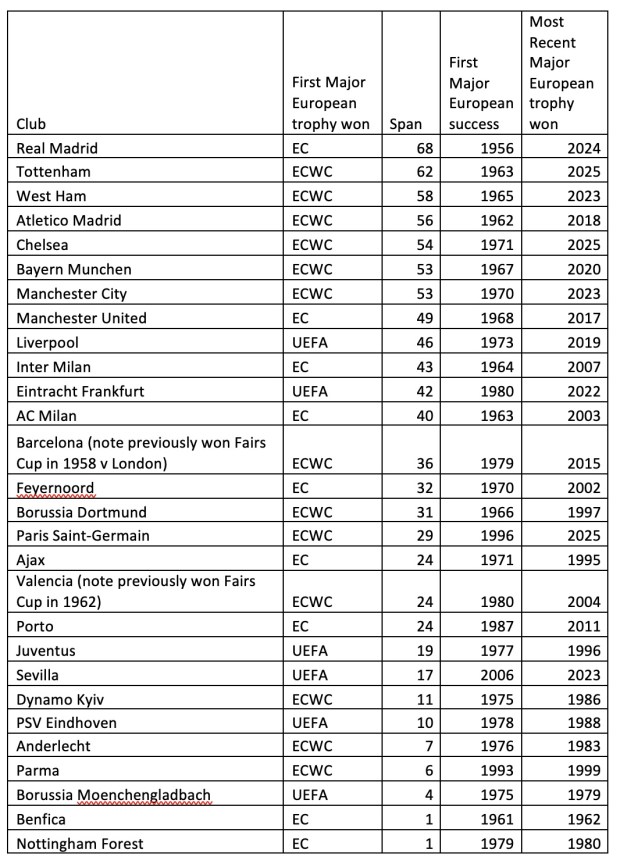
Each year, following the end of the UEFA football season I update the UEFA European Span of Success table. What is this? It’s a list of those clubs who have won two or more (sorry Palace) major UEFA tournaments showing the span between their first UEFA success and their most recent. The list may surprise some who think that football is all about those perceived as European giants with ‘history’. This is how the table stands today (19 May 2026). Chelsea and Tottenham have moved up the table in recent seasons.
UEFA European Major Trophy Span of Success 2025
I can imagine a few Arsenal fans looking at this and saying ‘Why aren’t we on there?’ They won the Fairs Cup in 1970 and the ECWC in 1994 BUT the Fairs Cup wasn’t a UEFA tournament and had some odd entry rules over the years! For your benefit here’s a table including the Fairs Cup lower down on this page. The above table includes the four major UEFA tournaments: European Cup/Champions League; European Cup Winner’s Cup; UEFA Cup/Europa League & the Europa Conference League. It does not include non-UEFA tournaments such as the Mitropa Cup and Fairs Cup. Nor does it include the Intertoto Cup or similar.
So why are they excluded… I recognise that the Mitropa Cup had some significant clubs competing in it. However, it was predominantly an East European competition and participants were not spread over the entire continent.
With the Fairs Cup… It is true that this was later transformed into the UEFA Cup and I have included all UEFA Cup finals in my analysis. But the Fairs Cup had an odd series of entry rules at times. Cities, rather than clubs, often entered with Barcelona beating London in one final for example. It was set up as a friendly type of competition with cities that had staged trade fairs playing each other. As time wore on entry came via the League Cup or League position in England, which added significance to it. But two teams from the same city were not allowed to participate, which meant that teams finishing way down the table could be (and were) included if those above them were multiple clubs from the same city.
In 1970 Manchester City’s Mike Doyle joked that by winning the League Cup he was satisfying his aim of ‘keeping United out of Europe’ (he joked about creating car stickers with that slogan!) because it appeared at that time that United’s only chance of Europe had gone with City’s qualification for the Fairs Cup.
City went on to win the ECWC that season, meaning that Fairs Cup place was opened up to League position, but United had finished lower down the table anyway and qualified for the Watney Cup instead. Actually, the Watney Cup is one worth talking about, but I’ll save that for another day. In 1970 Fourth placed Derby County qualified for the Watney Cup, while 5th to 7th (Liverpool, Coventry and Newcastle) all got a Fairs Cup place, alongside 12th placed Arsenal (Fairs Cup winners). I’ve not investigated this fully but it does seem odd that the Watney Cup took precedence over the Fairs Cup.
Arsenal’s 1970 Fairs Cup success was their first European trophy but is not included in the span, neither are those Fairs Cup wins of Barcelona. However, as quite a few Arsenal fans seemed to get a bit upset when the table was posted the other year I’ve decided to include the Fairs Cup in the following version of the table. So this table is the winners of the main UEFA competitions I mentioned earlier plus the Fairs Cup with its odd rules:
Club
First Major European trophy won
Span
First Major European success
Most Recent Major European trophy won
Real Madrid
EC
68
1956
2024
Tottenham
ECWC
62
1963
2025
Roma
Fairs
61
1961
2022
West Ham
ECWC
58
1965
2023
Barcelona
Fairs
57
1958
2015
Atletico Madrid
ECWC
56
1962
2018
Chelsea
ECWC
54
1971
2025
Bayern Munchen
ECWC
53
1967
2020
Manchester City
ECWC
53
1970
2023
Manchester United
EC
49
1968
2017
Liverpool
UEFA
46
1973
2019
Inter Milan
EC
43
1964
2007
Valencia
Fairs
42
1962
2004
Eintracht Frankfurt
UEFA
42
1980
2022
AC Milan
EC
40
1963
2003
Feyernoord
EC
32
1970
2002
Real Zaragoza
Fairs
31
1964
1995
Borussia Dortmund
ECWC
31
1966
1997
Paris Saint-Germain
ECWC
29
1996
2025
Arsenal
Fairs
24
1970
1994
Ajax
EC
24
1971
1995
Porto
EC
24
1987
2011
Juventus
UEFA
19
1977
1996
Sevilla
UEFA
17
2006
2023
Dynamo Kyiv
ECWC
11
1975
1986
PSV Eindhoven
UEFA
10
1978
1988
Anderlecht
ECWC
7
1976
1983
Parma
ECWC
6
1993
1999
Borussia Moenchengladbach
UEFA
4
1975
1979
Leeds United (BOTH FAIRS CUP)
Fairs
3
1968
1971
Benfica
EC
1
1961
1962
Nottingham Forest
EC
1
1979
1980
Obviously, neither table shows the number of major trophies won, but it does indicate trophy-winning longevity for those who obsess over ‘my cup’s bigger than yours’ and similar debates. Personally, I think we should all be proud of our club’s achievements and not worry about what a rival has won.
Hopefully, those Arsenal fans who were somewhat upset last year will now be happy. Note that both Roma and Barcelona have moved up the table. Both ‘Rome’ and ‘Barcelona’ won the Fairs Cup when it was city based and not club based, adding to the questionable nature of including the Fairs Cup. ‘London’ once competed in it!
Arsenal are now 20th in this combined table, behind their fellow English clubs Tottenham, West Ham, City, Chelsea, United and Liverpool. But they could move up, as could Aston Villa.
As an example of the odd qualification rules in place for the Fairs Cup at times it’s worth looking at the 1969 qualification via the English League system.
In 1969 champions Leeds entered the European Cup. The ECWC place went to FA Cup winners Manchester City and the Fairs Cup places went to: Arsenal (4th), Southampton (7th) and Newcastle (9th). Swindon had won the League Cup, beating Arsenal in the final, but the Fairs Cup organisers wouldn’t allow them to participate as they were not a top flight club! This adds to the reason the competition is usually excluded. It is certainly not a UEFA competition in any case.
Similarly, Everton (3rd), Chelsea (5th), Spurs (6th) and West Ham (8th) who all finished above Newcastle were denied because of the rule that only one club from each city be allowed. So Liverpool and Arsenal’s inclusion meant their rivals stood less chance of winning the trophy than Newcastle simply because there were multiple clubs in their cities.
That rule does make me wonder what would have happened if both Manchester clubs had qualified for the competition as City are within the city of Manchester boundaries and United are not. Would the two clubs have challenged any decision not to include one of them based on the age old argument of Manchester’s boundaries?
Maybe I’ll post more on the odd rules of football competitions and tell the story of some of those long forgotten competitions.
If you’re interested in the wider span of success for English clubs (listing those who have the longest span between their first trophy and most recent, not simply European trophies) then take a look at this I posted Sunday:
If you enjoy all the free material on my website and would like to support my research and keep this website going (but don’t want to subscribe) then why not make a one-time donation (or buy me a coffee). All support for my research is valued and welcome. It allows me to keep some free material available for all. Thanks.
On this day (1 May) in 2011 a 2-1 victory for Manchester City over West Ham left the Blues fourth on 62 points, five points behind third placed Arsenal, though City had a game in hand. A confident looking side took an early 2-0 lead with De Jong (10th minute) scoring his first goal and then Zabaleta (15th min) added a second. West Ham did score via Demba Ba in the 33rd minute and this caused some nervousness. Mancini’s side did hang on to some extent, but overall they had much more to offer than the Hammers.
If you enjoy all the free material on my website and would like to support my research and keep this website going (but don’t want to subscribe) then why not make a one-time donation (or buy me a coffee). All support for my research is valued and welcome. It allows me to keep some free material available for all. Thanks.
On this day (30 March) in 1960 Manchester City defeated West Ham United 3-1 with goals from Colin Barlow, Denis Law and Billy McAdams. You can read more on this period for City with a series of articles posted on the 1950s and 1960s. Why not start with the following subscriber article on Manchester City during the 1959-60 season? If you’d like to read this 1200 word article, plus all other articles on the site, then please subscribe (see below).
Subscribe to get access
Read more of this content when you subscribe today. It costs £3 per month (cancel anytime) or sign up for a year at the discounted price of £20 per year (works out £1.67 per month). Subscribers access the 1000+ articles posted so far and the others scheduled during the life of your subscription.
Manchester City’s 2-1 victory over West Ham on 27 February 2021 saw the Blues take the lead after 30 minutes, when a cross from Kevin De Bruyne was met perfectly by defender Ruben Dias. This was Dias’s first goal for City.
For a while it seemed like this would be a relatively straightforward win, but West Ham had several chances, and the Hammers were as defensive as you’d expect from a team managed by David Moyes. Just before the break they equalised via Antonio.
In the 68th minute a City corner led to John Stones netting City’s second and ultimately the winner.
Last week I posted the top flight attendances for this last week forty years ago and this led to a number of comments/questions and so to answer some of those I’ve now posted the top two divisions attendances together with the two League tables AND the end of season average attendances. People asked for clarity on how the figures compared to the second tier and whether League position played its part in affecting crowds. As a reminder here’s last week’s attendances…
And here’s this week’s (published 24 November 1985) and the League table too.
Obviously, these are only snapshots from that season but to add a bit more context here are the end of season averages here are the top 46 best supported clubs in order that season (hopefully it might make those who sing songs like ‘Where Were You?’ think about the crowds at their own clubs first):
A few notable League positions for those who do sing ‘Where Were You?’… The top eight clubs in the League were: Liverpool (champions), Everton, West Ham, Man Utd, Sheff Wed, Chelsea, Arsenal and Forest. Manchester City (who were 4th best supported club) were 15th (only 4 points above relegation zone), Spurs were tenth, Newcastle 11th and Aston Villa 16th.
In the Second Division best supported club Sunderland were 18th (avoiding relegation by 4 points); the top four were Norwich, Charlton, Wimbledon and Portsmouth.
If you’d like to know more about Manchester City at this time, here’s a 2,500 word subscriber feature on the 1985-86 season. Enjoy!
Subscribe to get access – Monthly
Read more of this content when you subscribe today. It costs £3 per month (cancel anytime) to access everything posted since 1 October 2022 or there’s a special annual rate below which gives greater access and works out much cheaper.
Read more of this content when you subscribe today. It costs £3 per month (above) or £20 a year (here) to access everything posted since the site was created in December 2020. This special rate works out about £1.67 a week and gives access to everything posted, including PDFs of 3 of my books.
These two results tables for top flight football in November 1985 make interesting reading. I’ve included the details published today (17 November, for games played the previous day) in 1985 and also the week after’s details too. This gives an idea of what the top clubs were attracting back then. Notice West Ham’s game attracted more at home than Arsenal’s and that Liverpool were over 26,000 less than Manchester United. Arsenal’s crowd was 6,000 less than struggling Manchester City and Tottenham attracted more than Arsenal too. Reigning League champions Everton were some way ahead of the London clubs and only about 600 behind Liverpool. Obviously, these are only snapshots from two weekends but hopefully it might make those who sing songs like ‘Where Were You?’ think about the crowds at their own clubs first.
the Marwood scoring for Sheffield Wednesday was of course Brian Marwood who went on to play a key part in Manchester City’s modern return to glory. If you’d like to know more about Manchester City at this time, here’s a 2,500 word subscriber feature on the 1985-86 season. Enjoy!
Subscribe to get access – Monthly
Read more of this content when you subscribe today. It costs £3 per month (cancel anytime) to access everything posted since 1 October 2022 or there’s a special annual rate below which gives greater access and works out much cheaper.
Read more of this content when you subscribe today. It costs £3 per month (above) or £20 a year (here) to access everything posted since the site was created in December 2020. This special rate works out about £1.67 a week and gives access to everything posted, including PDFs of 3 of my books.
On this day (28 September) in 2009 Manchester City faced one of Carlos Tévez’s former sides, West Ham. The Hammers were swept aside with a 3-1 victory. Tévez (seen here with Mark Hughes at his signing) netted twice and Martin Petrov scored the other at the City of Manchester Stadium (now the Etihad).
On July 20 in 1965 Malcolm Allison was formally interviewed by the Manchester City board to be manager Joe Mercer’s assistant. Mercer had wanted to bring Allison in since he took the job earlier in the month. Here is a feature I did on Allison back in January 2005.
I first interviewed Malcolm in 1991, and, using material from several conversations with him, and in 2005 I took the opportunity of a MCFC v Crystal Palace game to remind everyone of his significance. Today, for subscribers, I’m posting it here.
Subscribe to get access
Read this article and all other content when you subscribe today.
This is something I wrote a few years back about Ian Brightwell. I hope you enjoy it… Of all the players to appear in City’s 1986 FA Youth Cup winning side, Ian Brightwell is the one who ended up having the longest playing career with the Blues. He remained at Maine Road until 1998. By that time he had played for a total of ten permanent managers and numerous caretakers in a 12 year first team career. It’s a wonder any player could cope with so much change.
He made his debut against Wimbledon on 23rd August 1986 (their first game in Division One), around four months after the Youth Cup success over Manchester United: “Billy McNeill gave me my debut in the opening game of the following season against Wimbledon. He told me a few days before that I’d be playing. He came up to me and told me, and I couldn’t believe it. I’d only just turned 18, but I had a few days to prepare. We won the game 3-1 and it helped me that Steve Redmond was already in the side. Of that Youth side Reddo was first in and then it was me, and I remember us watching to see who would be next. My second game was at Anfield and that was a great experience. We drew the game 0-0 but how we got away with that I’ll never know. We were battered.”
Brightwell made 12 League appearances plus four as substitute that season, but it was not a great time for the Blues as City were relegated at the end of the campaign. Billy McNeill had left early in the season: “I had great respect for him and was really disappointed when he left. He was a real legend – first man to lift the European Cup for a British side. Jimmy Frizzell took over, so that helped as it was more of a continuation. But for me it became the norm that managers would be changed. I don’t think Billy should have left when he did. I’ve still got great respect for him as a person and of course as a football manager. I’ll always be thankful to him.”
Under Mel Machin the following season Brightwell became an established member of the promotion seeking side before the arrival of Gary Megson limited his chances for a while: “It was a strange season because it was the first time as a group those of us from the youth side weren’t winning. I know we’d been relegated the previous season, but by 1987-88 a few of us were regulars in the first team. We were disappointed and felt we should have done better. I missed the 10-1 against Huddersfield, but I appeared in the 6-2 against Plymouth a few days later. Those games did bring a lot of attention our way, but I’d rather City be consistent. We weren’t good enough overall, but the following year that experience helped push us on. But it was difficult in 1988-89 as well. It’s a tough division to get out of.”
Promotion was achieved on the last day of the 1988-89 season in a nerve-wracking match at Bradford: “The pitch invasion followed. I was carried off on fans’ shoulders and had half my kit ripped off me. In the dressing room I remember thinking how close we’d been to missing out.”
The following season there was yet another managerial change and Howard Kendall was brought in. Under his guidance Brightwell was given an extended run in the team and, on 3rd February 1990, he scored his most memorable goal. It was a marvellous 25 yarder against Manchester United at Old Trafford: “I remember that the ball was out on the right and Mark Ward sort of half-crossed it. It came to me and I’ll never forget this – I heard Steve Redmond on the half way line shout: ‘Bob…’ I’d best not say his exact words, but let’s just say he wanted me to have a go in his strong scouse accent! It was on my left foot, which isn’t my strongest, but I did what Reddo said. It went in the top corner!
“I ran off and jumped about twenty feet in the air – or at least that’s how it looks on the photos. I remember the noise because back then the away fans used to get about 10,000 tickets at Old Trafford and it was phenomenal.”
Afterwards an excited Brightwell, when asked to explain how he’d scored, told the media: “I just wellied it!” It became the expression of the season and seemed to match everybody’s impression of a boyhood dream come true.
In the years that followed Brightwell performed consistently and was loyal to the City cause. Many of his former youth team colleagues were transferred or, in the case of Paul Lake, suffered serious injury, but Brightwell remained: “It was odd once the others went. They didn’t all go at once and of course Lakey was injured, but it did feel different. We’d known each other as a group for about 15 years, so a big loss. But my incentive was always to stay in spite of everything else. I actually think that if we’d have had continuity of management during that time that we’d have all stayed. If that had happened… well just look at United. They had a crop of talented youngsters about ten years after us like Butt, Scholes, Neville, and so on and they grew as a team. We never got that chance.”
There were some bright moments for the Blues in the early Nineties, however the second half of the decade saw City plummet through the divisions. In 1998, after relegation to the third level of football, Brightwell moved on: “It broke my heart to see City fall so low but I still didn’t want to leave. It was a difficult decision but Joe Royle had explained that the Club couldn’t offer me a contract at the level I was on. In the end I had to go and I moved to Coventry who were still in the Premier League, but my first impression was that this was such a small club in comparison with City. They may have been two divisions higher but in my mind there was no comparison.
“It didn’t work out at Coventry and I became injured. I kept going back to Manchester to watch City whenever I could.”
After Coventry Brightwell played for Walsall (including an emotional return trip to Maine Road), Stoke and Port Vale, before moving into coaching. In 2004 he was caretaker manager of Port Vale and, in 2006, he performed a similar role at Macclesfield. In 2007 he became Macclesfield’s manager on a permanent basis, but was dismissed in February 2008. He admitted in 2010 that Tony Book and Glyn Pardoe, who had been City’s youth coaches during the Eighties, remained influential figures throughout his career: “It’s difficult to stress how important Book and Pardoe and some of the others were. When I moved into coaching and, of course, management at Macclesfield, I used a lot of the things they said. They were so influential and if you think about where they got it from – well that was Malcolm Allison and Joe Mercer. You can’t get any better. Tony Book used to always say ‘control and play’. It sounds simple but in essence that’s what the game is all about and I still use that. Tony and Glyn used to drum it into you in the A team.”
To the wider world Ian Brightwell may not be the most well-known player from City’s 1986 FA Youth Cup winning team, but in terms of commitment to the Blue cause and longevity he was certainly one of the most dedicated. He was also a passionate Blue from childhood: “It was the team I supported and I used to go down to Maine Road. Colin Bell was nearing the end of his career when I went but there were people like Asa Hartford, Peter Barnes and Gary Owen. City were still a major side at that time. I remember the year we missed out on the title by a point to Liverpool (1977) – we should have done it. Tony Book was manager and the players were a different class. It was great to watch.”
During his career it was often highlighted that Brightwell came from a family with a great sporting pedigree. His brother David also played for City, while his parents were successful British Olympic athletes: “I couldn’t ask for a better sporting pedigree. My mum (Ann Brightwell nee Packer) won a gold and a silver in Tokyo and my dad (Robbie) won a silver.”
On this day (9 May) in 1987 Manchester City were relegated after a 2-0 defeat at West Ham (see match report). At the end of the game City supporters and West Ham fans climbed over the fences and onto the pitch. Some thought that the two sets of supporters were about to confront each other, but the fans knew differently. The Hammers began chanting “You’ll be back” and both groups swapped scarves and souvenirs on the pitch. It was the kind of moment that should have been widely reported in the media but at the time focus tended to be on hooliganism and confrontation rather than the positives of football support. City had been relegated, but their supporters did not seek revenge. The West Ham fans could have ridiculed, but they didn’t. If only those condemning football fans at the time could have seen the two sets of loyal supporters genuinely appreciating and understanding each other.
The relationship between the fans of the two clubs is not something that is widely discussed or promoted but it is something that has endured. City fans have never forgotten the ‘You’ll be back’ game and in recent years, as others have unfairly mocked both sets of fans, the supporters of both the Blues and the Hammers seem to understand and respect each other. Inevitably, there will always be banter during a game but outside of the match the mutual recognition and respect always seems to win through.
To many West Ham are the City of the South – a proud football club with a great history and heritage, combined with a loyal and passionate fanbase.
You can read more on Ian’s debut season of 1986-87 below. This is a 2,500 word feature on the entire season and is available to subscribers.
Subscribe to get access
Read more of this content when you subscribe today. It costs £3 per month (cancel anytime) to access everything posted since 1 October 2022 or £20 a year to access everything posted since the site was created in December 2020. This special rate works out about £1.67 a week and gives access to everything posted, including PDFs of 3 of my books.