The new series of features on Manchester City in the 1910s continues today with a 2800 word article on the 1912-13 season – A season which saw United’s most successful manager (at the time) walk out on the Reds to become City’s manager (he believed that City, with the larger pulling power, was a more ambitious club). If you’re a subscriber you can read all about that and the rest of the season below. If you’re not a subscriber then why not sign up for a month and see what you think?
Subscribe to get access
Read more of this content when you subscribe today. It costs £3 per month (cancel anytime) or sign up a year at a time for the discounted annual fee of £20. This gives access to everything on the site, including PDFs of 3 of my books and various other articles, interviews and audio material. Each subscriber has access to all content posted during their subscription period too. Why not sign up for a month and see what you think?
Continuing the series on Manchester City in the 1920s today’s free article is about the City England international (in fact City’s first England international!) who became the manager of Milan in 1926. Here goes…
The first Manchester City player to appear for England was Herbert Burgess, who was reportedly born in Openshaw on 25 February 1883. Burgess was a left back but, according to articles at the time, was only 5ft 4.75 inches tall (weighing 11st 7lbs).
He made his first England appearance against Wales, and City teammate Billy Meredith, in February 1904 and did well in a game that ended 2-2 at Wrexham.
Prior to City Burgess had joined Football League side Glossop in March 1900 and, after three good years there, he moved to City on 30 July 1903. The fee City paid was £250. This was a period when Manchester’s Blues seemed to be cherry-picking the best Glossop had to offer and one report even suggested the nearby club was becoming a nursery club for City.
Burgess made three international appearances in 1904 with the Welsh game followed by a 3-1 victory over Ireland at Solitude, Belfast in March and a 1-0 win over Scotland at Parkhead, Glasgow on 9 April 1904. Only two weeks later Burgess helped City to FA Cup success (they became the first Manchester team to win a major trophy) and the Blues were also League runners up. These were great days for Burgess.
He made one further appearance for England – a 2-1 defeat at Hampden Park on 7 April 1906, played in front of 102,741 – and was furious that one of the Scotland goals was allowed to stand.
This period was a tough one for Burgess as the illegal payments scandal at City completely rocked his world. He was one of 17 players suspended by the FA (I can talk about this for days – it was so unfair and northern newspapers believed it was some sort of conspiracy by the southern based FA!).
Burgess was forced to leave City and, along with other star men, including Billy Meredith, he joined the then underdogs Manchester United and helped them achieve their first major success. He then moved to Denmark and played for Kristiania before joining Hungarian club MTK Budapest.
When his playing days came to an end he became Budapest’s manager and then managed Padova (1922-1926). He left Padova to become Milan’s manager in 1926 and after two years there he returned to Padova.
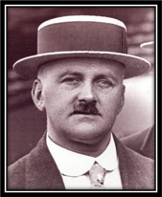
From 1930 to 1932 Burgess managed another Italian club, Roma. This photo is of Burgess (with cap on) as manager of AS Roma.
Burgess immediately etched his own name into the history of Roma, winning the first ever Rome derby in only his second game in charge. Roma won 1-0 win at Lazio’s Stadio della Rondinella. Burgess also guided Roma to success in the second derby, winning 3-1, the following May, this time at their all-wooden ground Campo Testaccio.
Burgess never lost a Rome derby during his time there as they drew their subsequent two derbies under him. His Roma team also pushed eventual champions Juventus all the way in the 1930-31 campaign, finishing just four points behind Juventus as runners-up.
Sadly, it’s been reported that Italy’s development under the dictatorship of Mussolino meant that English coaches were under pressure to leave and Burgess returned to Manchester, taking a job as a labourer on a housing estate on the outskirts of Manchester. He also became trainer to Ashton National.
He died in 1954.
In total at City he made 94 first team appearances and scored two goals. Had the illegal payments scandal not occurred he may well have been an England regular for several years. As it is his career is pretty impressive for a lad born in Openshaw in the 1880s – FA Cup & League winner; England international; manager of prominent clubs in Hungary and Italy.
People tend to think that it’s only in the modern era that Manchester City have achieved anything or that footballers have gone abroad to coach major clubs like Milan, Budapest and Roma, but the truth is that men like Burgess achieved so much over a century ago. We must take steps to remember them. Oh, and while I’m here it’s worth pointing out that City did have international players for years before Burgess but they didn’t play for England.
The earliest played to make an international appearance while on City’s books made an appearance for Wales in 1890 when the club was still Ardwick. Maybe I’ll write about him one day too?
Subscribe to get access
If you have enjoyed this piece and would like to support my writing while also accessing further great content, then why not subscribe? Those who subscribe on an annual basis get access to everything posted on this site since December 2020 (including PDFs of 2 out of print books, and audio interviews with John Bond, Malcolm Allison etc.). Those subscribing on a monthly basis get access to everything posted since 1 October 2022. It’s £20 a year (subscribe here) or £3 per month (subscribe below). Why not try it for a month?
If you have enjoyed this piece and would like to support my writing while also accessing further great content, then why not subscribe? Those who subscribe on an annual basis get access to everything posted on this site since December 2020. Those subscribing on a monthly basis get access to everything posted since 1 October 2022. It’s £20 a year (subscribe above) or £3 per month (subscribe here). Why not try it for a month?
Continuing the series of features on Manchester City in the early 1900s! Today it’s a 2200 word article telling the story of 1905-06 when the FA ban almost destroyed Manchester’s Blues. This story is one of skullduggery (by other teams too!) and powerful figures seeking to limit opposition.
All of this sound familiar? Well, get a brew and start reading below if you’re a subscriber. Maybe read yesterday’s feature first?
If you’re not a subscriber then why not sign up for a month and see what you think?
Subscribe to get access
Read more of this content when you subscribe today. It costs £3 per month (cancel anytime) or sign up a year at a time for the discounted annual fee of £20. This gives access to everything on the site, including PDFs of 3 of my books and various other articles, interviews and audio material. Each subscriber has access to all content posted during their subscription period too. Why not sign up for a month and see what you think?
Continuing the series of features on Manchester City in the early 1900s! Today it’s a 3000 word article telling the story of 1904-05 when the FA Cup holders and League runners-up were suddenly under scrutiny from the FA. Viewed as a nouveau riche club, the feeling was that City couldn’t possibly have found major success so quickly. Remember they only became MCFC in 1904. This story is one of skullduggery (by other teams too!) and powerful figures seeking to limit opposition.
All of this sound familiar? Well, get a brew and start reading below if you’re a subscriber. If not then why not sign up for a month and see what you think?
Subscribe to get access
Read more of this content when you subscribe today. It costs £3 per month (cancel anytime) or sign up a year at a time for the discounted annual fee of £20. This gives access to everything on the site, including PDFs of 3 of my books and various other articles, interviews and audio material. Each subscriber has access to all content posted during their subscription period too. Why not sign up for a month and see what you think?
Continuing the series of features on Manchester City in the early 1900s! Today it’s a 9400 (yes that’s right!) word article telling the story of 1903-04 when Manchester won its first major trophy. If you’re a subscriber you’ll need to get a brew before reading this celebration of that season. If you’re not a subscriber then why not?
Ever wondered how Manchester found its first major trophy success or what the scandal that rocked City was all about? Then subscribe and read this series of articles.
Subscribe to get access
Read more of this content when you subscribe today. It costs £3 per month (cancel anytime) or sign up a year at a time for the discounted annual fee of £20. This gives access to everything on the site, including PDFs of 3 of my books and various other articles, interviews and audio material. Each subscriber has access to all content posted during their subscription period too. Why not sign up for a month and see what you think?
The series of features on the 1900s continues today with a simple look at the average attendances of league clubs. I’m publishing the statistics here for season 1900-1901 when Manchester City finished 11th in the First Division (top tier). There were 18 clubs in the division that season. Despite this relatively low position, City were the second best supported club – the highest position either Manchester team had enjoyed up to that point. League champions Liverpool were the 5th best supported club. Newton Heath (MUFC) were still a Second Division club and were 22nd best supported team.
All these figures are estimated based on newspaper reports of the period but are widely accepted as a good indication of support enjoyed at each club.
Match programme for 29 September 1900. Manchester City v Stoke
In the following table every team is in Division One unless (2) appears after their name. This indicates they were a Second Division club that season. Where two teams have the same average then these have been listed in alphabetic order.
1900-1901 Average Attendances
Average
Team
18700
Aston Villa
18300
Manchester City
16225
Everton
15800
Newcastle
15000
Liverpool
13600
Sheff Utd
11525
Sunderland
10575
WBA
10175
Bolton
9950
Sheff Wed
9450
Notts County
9350
Nottm Forest
8375
Middlesbrough (2)
8050
Derby
6950
Bury
6850
Stoke
6575
Blackburn
6325
Preston
5900
Small Heath (2)
5900
Woolwich Arsenal (2)
5850
Wolves
5475
Newton Heath (2)
4975
Leicester Fosse (2)
4625
Grimsby (2)
3725
Stockport (2)
3575
Lincoln (2)
3125
Walsall (2)
3100
Burnley (2)
2850
Barnsley (2)
2825
Chesterfield (2)
2800
Glossop (2)
2675
New Brighton Tower (2)
2375
Burton Swifts (2)
2075
Burslem Port Vale (2)
2050
Gainsborough Trinity (2)
1850
Blackpool (2)
This series of features covers the final years of Ardwick, the birth of Manchester City and the Club’s first national success. Why not subscribe and read every feature?
The series of features on the 1900s starts today with a simple look at the average attendances of league clubs. I’m publishing the statistics here for season 1899-1900 when Manchester City was a First Division club for the first time. They were the third best supported club – the highest position either Manchester team had enjoyed up to that point. In fact City had been the best supported club for the opening months of the season as the heading photo shows (that’s from 20 January 1900).
All these figures are estimated based on newspaper reports of the period but are widely accepted as a good indication of support enjoyed at each club.
Manchester City with the Second Division Shield, 1899
In the following table every team is in Division One unless (2) appears after their name. This indicates they were a Second Division club that season. Where two teams have the same average then these have been listed in alphabetic order.
1899-1900 Average Attendances
Average
Team
19825
Aston Villa
16725
Newcastle
16000
Manchester City
12925
Everton
11325
Liverpool
11175
Sheff Utd
10475
Sunderland
8950
Notts County
8125
Derby
7875
Nottm Forest
7700
Stoke
7150
Sheff Wed (2)
6575
Wolves
6475
Blackburn
6250
Leicester Fosse (2)
6225
Newton Heath (2)
6175
WBA
5925
Burnley
5925
Middlesbrough (2)
5775
Bury
5050
Small Heath (2)
4825
Preston
4800
Bolton (2)
4125
Woolwich Arsenal (2)
4000
Glossop
3775
Grimsby (2)
3775
Lincoln (2)
2950
Chesterfield (2)
2875
New Brighton Tower (2)
2525
Walsall (2)
2400
Barnsley (2)
1875
Gainsborough Trinity (2)
1675
Burslem Port Vale (2)
1650
Loughborough (2)
1650
Luton (2)
1500
Burton Swifts (2)
This series of features covers Manchester City in the opening years of the twentieth century. Why not subscribe and read every feature?
Tomorrow there’ll be a subscriber article on the 1900-01 season in a similar style to those recently posted on the 1890s. Here’s an 1800 article below on Manchester City in the final months of 1899:
Subscribe to get access
Read more of this content when you subscribe today. It costs £3 per month (cancel anytime) or sign up a year at a time for the discounted annual fee of £20. This gives access to everything on the site, including PDFs of 3 of my books and various other articles, interviews and audio material. Each subscriber has access to all content posted during their subscription period too. Why not sign up for a month and see what you think?
The series of features on the 1890s continues today with a simple look at the average attendances of league clubs. I’m publishing the statistics here for season 1898-99 when Manchester City was a Second Division club – but look where they are in the attendance table! These figures are estimated based on newspaper reports of the period but are widely accepted as a good indication of support enjoyed at each club.
Glossop North End 1898
In the following table every team is in Division One unless (2) appears after their name. This indicates they were a Second Division club that season. Where two teams have the same average then these have been listed in alphabetic order.
1897-9 Average Attendances
Average
Team
20675
Aston Villa
18150
Newcastle
14525
Everton
13975
Liverpool
12300
Sunderland
10675
Notts County
10000
Manchester City (2)
9850
Sheff Utd
9400
Blackburn Rovers
8875
Sheff Wed
8850
Nottm Forest
8025
Stoke
7775
Newton Heath (2)
7550
Wolves
7450
Leicester Fosse (2)
7325
Bolton
7225
Derby
6125
Burnley
6025
Preston
5775
Small Heath (2)
5200
WBA
4600
Burslem Port Vale (2)
4525
Bury
4475
Woolwich Arsenal (2)
3350
New Brighton Tower (2)
3325
Grimsby (2)
3000
Lincoln (2)
2875
Walsall (2)
2775
Luton (2)
2750
Glossop (2)
2400
Barnsley (2)
2375
Burton Swifts (2)
2275
Gainsborough Trinity (2)
1900
Loughborough (2)
1500
Blackpool (2)
900
Darwen (2)
This series of features covers the final years of Ardwick, the birth of Manchester City and the Club’s first national success. Why not subscribe and read every feature? Here’s a link to the story of the 1898-99 season:
Here’s an 1800 article below on Manchester City in the final months of 1899:
Subscribe to get access
Read more of this content when you subscribe today. It costs £3 per month (cancel anytime) or sign up a year at a time for the discounted annual fee of £20. This gives access to everything on the site, including PDFs of 3 of my books and various other articles, interviews and audio material. Each subscriber has access to all content posted during their subscription period too. Why not sign up for a month and see what you think?
The series of features on the 1890s continues today with a simple look at the last League tables for the 1800s. These were published after the final games of December 1899 and cover the Football League First Division and the Second Division. See if you can spot your club.
Notice the Division One table includes Bury and Manchester City from present day Greater Manchester, with near neighbours Glossop also in there (at the time the smallest town ever to have had a top flight team). Glossop were funded by Samuel Hill-Wood who eventually turned his attentions to Arsenal (they’re in the Second Division in these tables).
The last Division One table for the 1800s. This was published after the final games of December 1899.
The Second Division included Bolton and Newton Heath (MUFC) from present day Greater Manchester. Arsenal appear below New Brighton Tower.
The last Division Two table for the 1800s. This was published after the final games of December 1899.
This series of features covers the final years of Ardwick, the birth of Manchester City and the Club’s first national success. Why not subscribe and read every feature like this 1800 article below on Manchester City in the final months of 1899?
Subscribe to get access
Read more of this content when you subscribe today. It costs £3 per month (cancel anytime) or sign up a year at a time for the discounted annual fee of £20. This gives access to everything on the site, including PDFs of 3 of my books and various other articles, interviews and audio material. Each subscriber has access to all content posted during their subscription period too. Why not sign up for a month and see what you think?
The series of features on Manchester City in the 1890s continues today with a 1900 word article on Manchester City in 1898-99 – the first season that any of the Manchester teams had achieved a national trophy success. Want to know more about this thrilling and landmark season? Then why not subscribe?
This series covers the final years of Ardwick, the birth of Manchester City and the Club’s first national success.
Subscribe to get access
Read more of this content when you subscribe today. It costs £3 per month (cancel anytime) or sign up a year at a time for the discounted annual fee of £20. This gives access to everything on the site, including PDFs of 3 of my books and various other articles, interviews and audio material. Each subscriber has access to all content posted during their subscription period too. Why not sign up for a month and see what you think?


 Gary James' Football Archive