Today (22 February) in 1997 forward Chris Greenacre made his debut for Manchester City when he came on as substitute for Paul Dickov in the 3-0 victory over Swindon Town. The game also saw the first City goal of Kevin Horlock’s career. You can see that and other highlights here:
City’s scorers were Horlock, Uwe Rosler and Nicky Summerbee.
In February I performed an online talk on the latest research into the origins of City, focusing on the period prior to 1887 when the club was based in the West Gorton and Gorton areas. This was extremely well received and can be viewed by subscribers here:
For this article I’ve decided to go through some of the details of City’s birth and highlight some of the key themes from that talk.
Often it is assumed that there’s nothing else to learn about the history or origins of a football club but, with deep research and determination, we can uncover material and stories long forgotten. The origins of City, like most clubs, are often difficult to trace and I’m aware of some football clubs that present stories as if they are facts without the evidence to back them up. Fortunately, the current leaders of City have always been keen to ensure the club’s history is remembered and recorded correctly. Mistakes and assumptions have been made over the decades but, thanks to the efforts of several people, the club has a desire to record its history correctly.
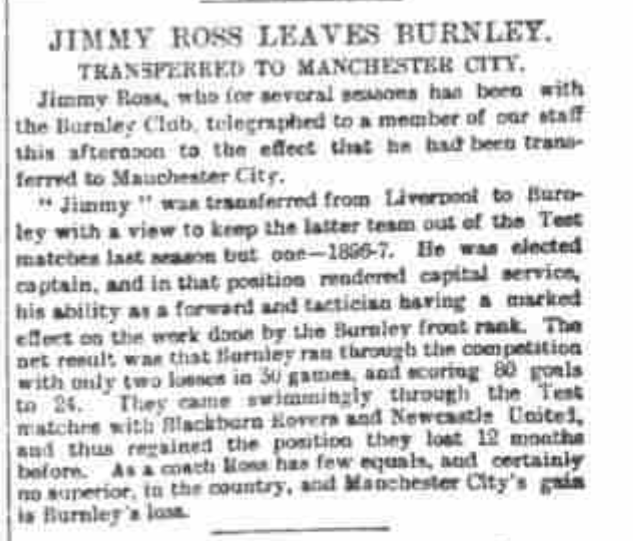
I’ve spent decades researching the origins of our club – Back in 1986 I started to search for match reports from our earliest known season as St Mark’s in 1880.
Some of Gary James’ microfilm copying requests at libraries during the 1980s
However, there are still many gaps in our knowledge. New material has been found in recent years. As a slight diversion it’s worth talking about a frustrating day’s research I had which ultimately turned out to be hugely beneficial.
About four years ago while researching for the book The Emergence of Footballing Cultures: Manchester 1840-1919, I travelled to an archive to search through physical copies of a newspaper. It had been a long stressful journey and there were many issues obtaining the material I needed. With about thirty minutes to go before the archive closed they brought out a newspaper binder I needed to research but it was wrapped in plastic. The archivist said: ‘I don’t think I can let you look at this as it’s so badly damaged.’
I explained about travelling some distance; what I was doing; how important this material was and so on. The ‘paper had never been microfilmed or digitised and so the only option of reviewing this 100-year-old newspaper was to see this physical copy. The archivist inspected the newspaper and clearly took pity on me saying: ‘Go on then, you can look at it for the next half hour. After that it’s going back in storage and may not come out ever again.’
Frantically, I searched through the paper before spotting the treasure I’d been hoping for – a series of articles on early football figures talking about team’s origins in the 1880s. I spotted one on a Newton Heath (Manchester United) figure who spelt out that their first colours were red & white (not green & gold) and named the person who had introduced football there then, a few issues later, I found the real gold and that was an interview with Walter Chew. Chew has, for over a century, been described by some as the father of Manchester City. In this feature he formally named the club’s first ground ‘Farmer’s Field’ which backed entirely an assumption I’d made and wrote about in the mid 1990s which went against common thinking at the time. That was satisfying but then the article added an angle I had never expected. Walter claimed his brother William and his friends founded the St Mark’s football team while Walter founded another team, Belle Vue Rangers, which is also one of the roots of our club.
For decades we have assumed that the W Chew listed in the first St Mark’s match reports was Walter Chew because of his years of service to the club and Manchester football. Occasionally, both Walter and William played in the same St Mark’s team and when that occurred Wm Chew was sometimes written, but when only one brother played then he was listed as W Chew. This is an area of research that is still ongoing but if Walter’s own views are correct then it makes absolute sense that the W Chew in the earliest known game was William not Walter. Walter was only 16 at the time (his obituary in 1948 reveals he was 84 at the time of his death, which means he was 16 in November 1880 when the earliest recorded game took place – though of course there may have been earlier games!), while all the other players were 17-20 in that first team. William was 19.
Two years after St Mark’s earliest known game 17-year-old Walter bought a ball and set up Belle Vue Rangers with other local lads from the West Gorton area.
Walter’s claim that his brother William and friends created the St Mark’s team is sensible. We’ve always known that some of the boys who played cricket for St Mark’s set up the football team and one of those was 19-year-old engineering student William Sumner. I’ve written about William often over the years and have stated previously that I believe he may well have been the one with football expertise due to his schooling and experiences as a boy.
Sumner was the first captain and was lodging within the St Mark’s parish from 1879, while studying at Owens College (Manchester University). I believe he organised some football coaching sessions which occurred during 1880. The earliest known actual game of football came in November 1880 when St Mark’s played the Baptist Church from Macclesfield. There were 12 players on each team and almost every member of the St Mark’s team has been found in a St Mark’s cricket match report too. The cricket team, incidentally, first played in the 1860s and I’ve traced a match report from 1867.
Sumner was clearly a talented footballer and despite an injury which limited his playing involvement with the club, he joined the more significant (at the time) Manchester AFC andIn later years Sumner also played for Manchester FC. It has often been stated that he played for them in a FA Cup tie against Stoke in November 1883, however ongoing research (January 2023) suggests that was another player ‘A. Sumner’.
Genealogist Glen Midgley has researched William Sumner’s life extensively and he discovered that Sumner was born on 21 December 1860 in the Barton area. He died when he was only in his forties.
19-year-old Sumner seems the most likely person to have introduced football to St Mark’s. William Chew was also 19 and it’s possible the two men discussed the sport while playing for the cricket team, but we’ll never know for certain. As with so many football clubs it seems unlikely that the specific person who introduced football to St Mark’s will ever be conclusively identified. Perhaps that’s how it should be because the club succeeded because of many, many individuals.
There isn’t enough space here to go into everything we know but it is important to list a few key facts from those early years:
St. Mark’s Church was consecrated in 1865.
First rector was Irishman Arthur Connell and he played a leading ‘community’ role. He set up a savings bank, library, school, ragged school, soup kitchens and much more.
Arthur Connell
St Mark’s had a very active social scene and by the mid 1870s St. Mark’s Cricket Club existed (ongoing research shows it began in 1860s, shortly after church opened; reports have been found from 1867).
In November 1880 the earliest reported association football match was played by St. Mark’s BUT contemporary reports do not claim this to be the first. As the opposition were a team from Macclesfield it seems likely that earlier games against teams closer to West Gorton would have been staged. There were certainly clubs playing football within a few miles of St Mark’s.
The earliest reported St Mark’s rugby game was also played that same week.
The 12 players who appeared in the earliest known football game were: Charles Beastow; William Sumner, Frederick Hopkinson, W Chew (previously assumed to be Walter but probably elder brother William), Henry Heggs, William Downing, Richard Hopkinson, Edward Kitchen, ‘A MacDonald’, John Pilkington, John Beastow & James Collinge.
‘A MacDonald’ is unclear possibly Alexander McDonald (16, a cooper living in Ancoats), but more likely to be Archibald MacDonald (20, an iron moulder).
The first known goalscorer was James Collinge.
One of the umpires/referees was William Hardy, another member of the St Mark’s parish.
The first ground was Farmer’s Field off Thomas Street (1880-81).
In 1881-82 the club moved to Kirkmanshulme Cricket Club. That season also saw Walter Chew, together with a cousin, establish his own team ‘Belle Vue Rangers’. They also bought the first ball used by Belle Vue Rangers – it burst playing v Hurst!
St Mark’s become known as West Gorton by January 1883. They played at Queens Road (now Gorton Park and the only former ground of Manchester City that it is still possible to play a football game on).
West Gorton had playing issues and struggled to field a team at times.
Walter Chew and Edward Kitchen linked both the Belle Vue and West Gorton clubs and a merger between Belle Vue and West Gorton, re-established West Gorton AFC for 1883-84 season.
In 1884 the club split into two with Gorton AFC established, playing at Pink Bank Lane.
Around 1884-85 the earliest known photograph (below; rediscovered by Frank Borson in early 2000s) of Gorton AFC was taken.
Between 1885-87 Gorton AFC played at the Bull’s Head Hotel, Reddish Lane.
In 1887 a move to a new ground (Hyde Road) led to the club re-establishing itself as Ardwick AFC. The club also paid its first professional there.
Ardwick win the Manchester Cup in 1891 & 1892 and join the Football League in 1892.
In 1894 financial issues lead to the collapse of Ardwick (former Gorton player Lawrence Furniss (below image) paid off the club’s debts) and as the club was dying a new one was established called Manchester City Football Club with the aim of representing the whole of Manchester.
The move to Hyde Road in 1887 meant that the club was actually geographically closer to its St Mark’s roots than they had been for several years. Ardwick may have been a separate borough but in walking distance St Mark’s was only a short distance away.
The origins of our club, like many others, have been misunderstood or incorrectly reported over the years and there are many areas of ongoing research that will fill the gaps over the coming years. It takes time and effort to research at the level needed. When I first started researching there were some stories that had been passed down for years that have since been challenged and corrected but there are many other areas to reflect on. There are many other areas where further research is still needed.
For years I’ve worked with a variety of people on the origins of City (one of the key elements of my PhD research was on the origins of football in Manchester and my research into this continues). In the 2010s MCFC set up a research group called Project Blue which I willingly helped and explained the myths that exist and what we still don’t know. The following slide was part of a lengthy presentation I performed on 14 December 2011 on that where I explained how we got where we were at the time and those who had worked together on uncovering the club’s early history.
One of my slides presented to the history research group Project Blue on research into Manchester City’s origins on 14 December 2011
I was always grateful to Dennis Chapman, John Maddocks and Ray Goble who welcomed me into their ‘club’ of research and others, such as Dave Masey who, like me, was a member of the Association of Football Statisticians. Dave continues to help my research. Thanks to these guys and others when I was starting out I have tried to ensure I help and support others researching. The more we research and share, the greater our collective knowledge.
There is still much to be done and sadly lots we will never know.
Whatever research is uncovered over the coming years one thing is clear and that is the history and origins of Manchester City are wrapped up in community initiatives and a desire by some to use football as a positive, community building enterprise. People like William Sumner, Walter & William Chew, Lawrence Furniss and Joshua Parlby (who was the driving force behind the new club Manchester City in 1894) should always be remembered for their part in the formative years of football in our city.
I’ll be talking about Joshua Parlby on 1 March at 6pm and anyone can join this online talk for free (so long as you register in advance). Details here:
There is much research still to be done. If you’d like to support this research then please subscribe to the site and you’ll have access to hundreds of articles, interviews, talks etc. You could join for a month and see what you think.
Subscribe to get access – Annual
To support the site and have access to everything posted costs £20 a year (about £1.67 a month) or £3 to subscribe a month at a time (see below).
Monthly subscribers access everything posted since 1 October 2022 and can cancel anytime. All subscribers access everything posted during their subscription too.
If you enjoy all the free material on my website and would like to support my research and keep this website going (but don’t want to subscribe) then why not make a one-time donation (or buy me a coffee). All support for my research is valued and welcome. It allows me to keep some free material available for all. Thanks.
My second Manchester Confidential article was posted last week. This one is about Manchester City and European success, looking forward to this week’s Champions League tie with Leipzig and remembering City’s first European trophy success:
Each month I’ll be focusing on a different club from the region and will write a piece combining the team’s modern day situation with a historical angle. My first feature was about Manchester United. I do intend covering the League clubs of Greater Manchester, plus some of our other prominent sides, over the coming months. I hope you enjoy them. Thanks.
Today (20 February) in 1926 Manchester City recorded an amazing victory. It was a fifth round FA Cup tie with Crystal Palace to Maine Road. The Blues, without a manager since November, were being managed by committee with director Albert Alexander senior making the final decisions. It’s an incredible thought that a director without ever being known as a player, could make these decisions but Alexander was a knowledgeable football man and had been with the club since formation in 1894.
By half-time the score was 7-0 to the Blues, but Palace would not give up and quickly pulled back four goals. City were knocked out of their period of complacency and soon found their goalscoring touch again. By the end it was 11-4 and, according to a number of spectators present on the day, Manchester fans rushed on at the final whistle and carried off the Palace ‘keeper shoulder high. Apparently he had played extremely well and, somehow, managed to keep the score down, although one cannot help wondering if he’d have been given such a reception had the scores been reversed.
Frank Roberts was the City star for this particular game, scoring a remarkable five, while Tommy Browell also earned a few plaudits with his hat-trick. With no management and such a miserable time in the League, no one could believe how City had been able to deliver such strong cup performances. Here’s film of the game:
This week 100 years ago in Cumbria (as it’s now known) a local newspaper talked of the support both Manchester City & United received from women. This article suggested it was a new phenomenon but I’ve lots of evidence of female support at Manchester’s clubs goes back many decades before 1923. In fact City we’re issuing specially discounted season tickets to women from formation as MCFC in 1894.
Incidentally the Corinthians it mentions at the end of the piece is the famous male amateur team of the era, not the famous women’s team of the 40s to 80s.
The 19 February 2020 saw Manchester City defeat West Ham 2-0 at the Etihad. The game had been scheduled to be played ten days earlier but had been postponed due to the weather and this was the first time City had played in 16 days. Details and highlights below:
Goals from Rodri (30 mins) and De Bruyne (62). The win came shortly after UEFA had banned City (later overturned of course) from European competition and their were several banners and chants directed at this unfair decision. After the match Pep Guardiola was asked about UEFA and Manchester City: ‘We are professionals on the pitch, what happens off it we cannot do much. We talked about what we have to do until the end of the season, especially for the people who love this club. We will play our game the best as possible. We have a lot of interesting things to play for… I love this club. I like to be here. This is my club and I will be here, no matter.
‘We appeal. When someone believes they are right they have to fight. The club has to fight and I trust the club 100% what they have done and they have explained to me. This situation is not finished and we will wait. But until it is resolved you have to play and play, and that is what is going to happen.’
The 18th of February 1984 brought a crowd of 41,767 (the division’s second biggest crowd of the season) to the Second Division match between Manchester City and Newcastle United. This crowd was over 15,000 higher than the best in the top flight (Arsenal v Aston Villa attracted 26,640). City were third prior to the match, with Newcastle fourth. and here’s some background and highlights.
With three promotion places available City felt certain they could achieve an immediate return, however they did not account for the role Kevin Keegan would play in Newcastle’s fortunes. Newcastle had been struggling to make an impact since relegation in 1978, but then Keegan returned as a player and the whole place seemed revitalised, indeed he had helped the Geordies achieve a 5-0 thrashing of City in October. McNeill: “There are few players that I have greater respect for than Keegan and this time, I’m referring only to his ability on the pitch, he was the heart and soul of Newcastle. It’s a terrible thing to admit, but every time I read that Kevin had an injury I hoped it would keep him out of the Newcastle side for a game or two. Usually it didn’t and I was glad in the end because I have such a high regard for him. He was certainly the difference between City and Newcastle. They had Keegan’s inspirational qualities and we didn’t.”
By 11 February City and Newcastle were level on points with the Blues in third place, and Newcastle fourth with a game in hand. Above them lay Chelsea and Sheffield Wednesday. The four sides were termed the ‘Big Four’ by the media who regularly chose to feature games from the Second above those in the First. As always Liverpool seemed destined to win the Championship and so much attention turned to the glamour clubs of the Second, especially Newcastle with the charismatic Keegan.
On 18 February came the vital Maine Road clash between the ‘Jocks’ and the Geordies. A win would put City six points ahead of Newcastle, yet defeat would put the two sides level with Keegan’s men also having a game in hand. A crowd of 41,767 – City’s and the division’s second biggest crowd of the season – saw future Blues Peter Beardsley and Kevin Keegan netting fine goals to give the Geordies the initiative with Steve Kinsey scoring for the Blues. Highlights:
City finished the season fourth and missed out on promotion.
Manchester City became the first English side to record 10 consecutive top-flight league wins at the start of a year on this day (17 February) in 2021. They defeated Everton 3-1 with goals from Phil Foden, Riyad Mahrez and Bernardo Silva. These were those odd days when we weren’t allowed to go to games but you can see highlights here:
On Wednesday 1 March at 6pm (UK time) come and join me for one hour of discussion on Joshua Parlby and the launch of Manchester City FC in 1894. I will talk about Parlby, his background, the launch of City and the development of the club which was established with the aim of creating a club to represent the whole of Manchester. Sign up to listen to this free event where I will explain how Ardwick died, City was created and the steps Parlby took to get City into the League. I’ll be explaining how significant this was and who the key players were, plus pointing out the role Queen Victoria played in it. There are some myths out there about the club’s birth as MCFC so come and listen to the facts. This hour will include the opportunity to ask questions as I’m keen to hear your thoughts on these formative years for the club.
The event will be live on Zoom on 1/3/23 at 6pm and a link will be sent to all those who have registered for the event beforehand (probably earlier that day). THIS WILL BE EMAILED OUT SEPARATELY AND NOT VIA THE EVENTBRITE WEBSITE.
The plan is to present the facts and history of the birth of the club and its development as Manchester City during the 1890s. Dispelling myths and revealing the latest research and evidence of what actually happened.
There will be an opportunity to ask questions about this critical period for football development in Manchester. Everyone can register now.
FA Cup day saw Manchester City win 4-1 at Newport County on this day (16 February) in 2019. A crowd of 9,680 watched this tie. The City scorers were Leroy Sane, Phil Foden (2) and Riyad Mahrez. You can watch the highlights here:
Of course, as has been customary, the difference in value between the sides was quoted often that day. The BBC included this in their match report: ‘There was no overstating the gulf between these two clubs – Newport, with a squad value totalling £70,000, against Manchester City, the world’s most richly-assembled squad at around £450m.’
I still find it odd that others don’t face the same level of money related stats but we’ve got to live with it it seems.