St Mark’s, West Gorton, Gorton, Manchester City and Key Early Figures

It’s now almost 40 years since I first started detailed research into the history of Manchester City and its origins, and it’s an area that is still fascinating. I still keep being asked about the origins of Manchester City, particularly the period prior to 1894 and I love the fact so many are interested in the steps that led to the establishment of what has become a major, global footballing power. I’ve posted much about those early years on this site but I know it’s often in a scattered style making it difficult to find, so here for those interested, are links to past articles on key figures and moments in the St Mark’s, West Gorton, Gorton AFC, Ardwick & associated clubs’ history. Tomorrow from noon for 24 hours I’ll be giving free access to a video I did a while back on the origins (details of the video lower down this page).

Firstly, the earliest known game (note: not necessarily the first game!):

The club’s earliest known captain Walter Sumner. Here’s an article I posted in February 2023:

A couple of founding fathers:

Walter Chew, a man occasionally described as ‘The Father of Manchester City’ (though he himself tells a different story and in a 1920s interview told his eye witness story of who the actual founder was):

Ardwick’s death:

The visionary who contributed so much to shape the newly created Manchester City in 1894:

The City launch:

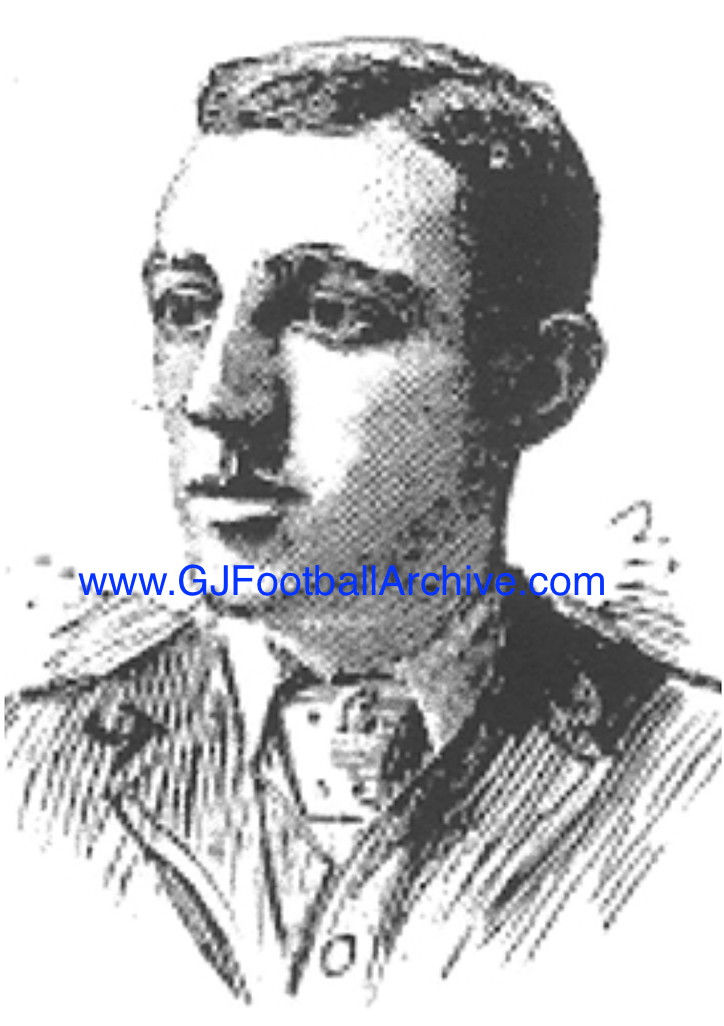
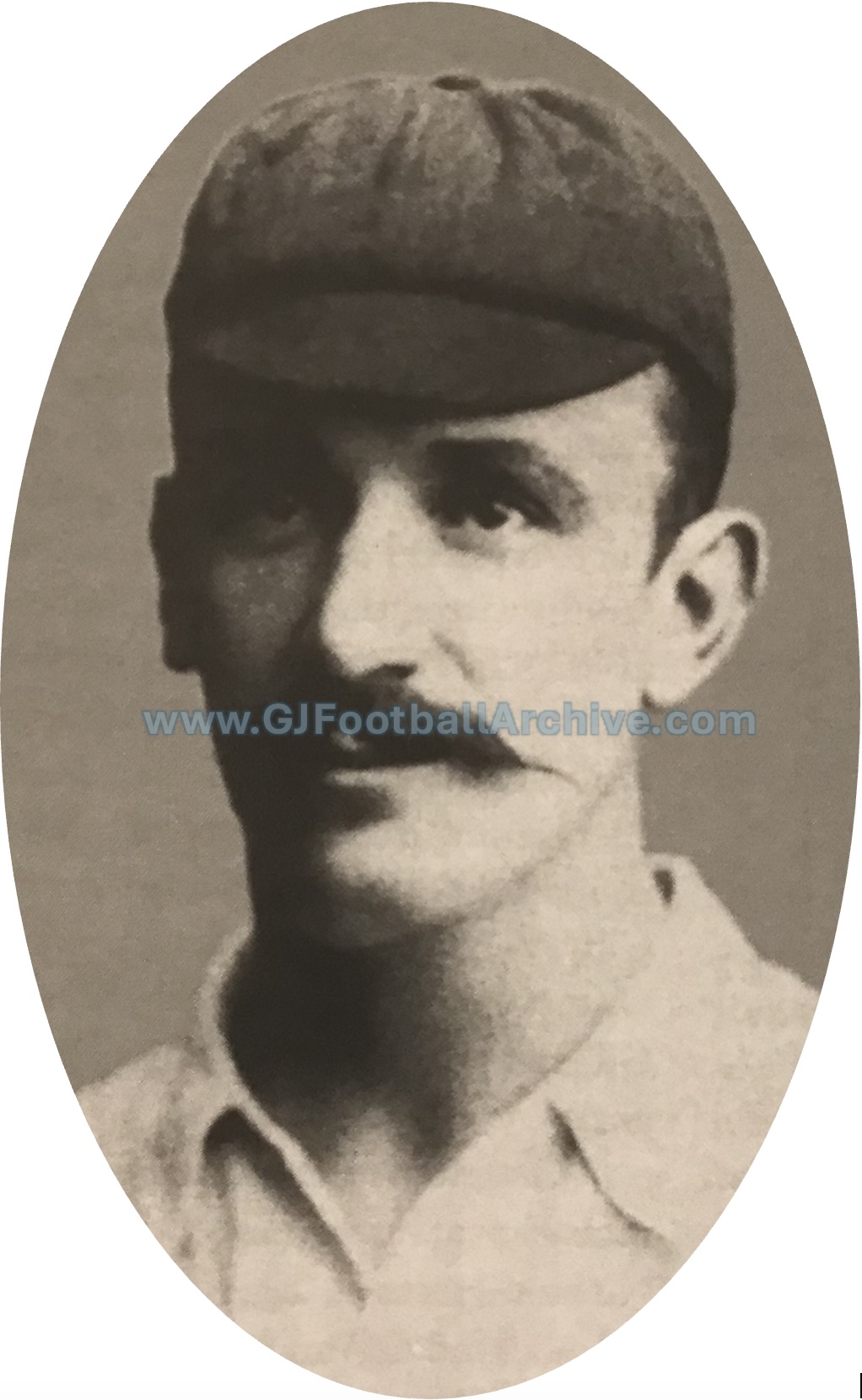
A man every Blue should know about, Lawrence Furniss. A player with Gorton, Ardwick secretary-manager, MCFC director, chairman responsible for move to Maine Road, Life President when City won the title in 1937. He saw it all and was involved from the 1880s through to 1940s when he died:

The facts not the fiction…. There are so many myths, assumptions, exaggerations etc. doing the rounds so hopefully this piece I wrote a few years back helps to explain:

If you’re interested in the wider Manchester story:

Information on the St Mark’s community leaders:

An example of an early match:

On 1 February 2023 I performed an online talk on the latest research into the origins of City, focusing on the period prior to 1887 when the club was based in the West Gorton and Gorton areas. Tomorrow from noon I’ll post this for all to see for free for 24 hours, but if you can’t wait or miss it then it is already available here for subscribers to the site:

There are still many gaps in our knowledge even though material has been rediscovered in recent years. There are some things we won’t know but over the coming weeks I’ll post more on the early years. Some will be available to all, some to subscribers but I’m sure there’ll be lots out there to enjoy.

In the meantime why not search the website or use the tags to see articles on the period prior to 1894. Every season of the 1890s for example has a detailed article written about it while individual games, players and related stories are also included within the thousands of posts on this site. Here’s a link to the 1890-91 season for example:

There are even features on attendances during that decade such as:

And this one, which included stories of floodlit games:

Arthur Connell

The origins of Manchester City, like many other clubs, have been misunderstood or incorrectly reported over the years and there are many areas of ongoing research that will fill the gaps over the coming years. It takes time and effort to research at the level needed. When I first started researching there were some stories that had been passed down for years that have since been challenged and corrected but there are many other areas to reflect on. There are, of course, many other areas where further research is still needed.

For years I’ve worked with a variety of people on the origins of City (one of the key elements of my PhD research was on the origins of men’s and women’s football in Manchester and my research into this continues). In the 2010s MCFC set up a research group called Project Blue which I willingly helped and explained the myths that exist and what we still don’t know. The following slide was part of a lengthy presentation I performed on 14 December 2011 on that where I explained how we got where we were at the time and those who had worked together on uncovering the club’s early history.

One of my slides presented to the history research group Project Blue on research into Manchester City’s origins on 14 December 2011

I was always grateful to Dennis Chapman, John Maddocks and Ray Goble who welcomed me into their ‘club’ of research and others, such as Dave Masey who, like me, was a member of the Association of Football Statisticians. Dave continues to help my research. Thanks to these guys and others when I was starting out I have tried to ensure I help and support others researching. The more we research and share, the greater our collective knowledge.

There is still much to be done and sadly lots we will never know.

Whatever research is uncovered over the coming years one thing is clear and that is the history and origins of Manchester City are wrapped up in community initiatives and a desire by some to use football as a positive, community building enterprise. People like William Sumner, Walter & William Chew, Lawrence Furniss and Joshua Parlby should always be remembered for their part in the formative years of football in our city.

There is much research still to be done. If you’d like to support this research then please subscribe to the site and you’ll have access to hundreds of articles, interviews, talks etc. You could join for a month and see what you think.

Subscribe to get access – Annual

To support the site and have access to everything posted costs £20 a year (about £1.67 a month) or £3 to subscribe a month at a time (see below).

Subscribe to get access – Monthly

Monthly subscribers access everything posted since 1 October 2022 and can cancel anytime. All subscribers access everything posted during their subscription too.

If you enjoy all the free material on my website and would like to support my research and keep this website going (but don’t want to subscribe) then why not make a one-time donation (or buy me a coffee). All support for my research is valued and welcome. It allows me to keep some free material available for all. Thanks.

Choose an amount

£2.50
£5.00
£7.50

Or enter a custom amount

£

Your contribution is appreciated.

Donate

Scored in Consecutive Games for Manchester City

I’ve received separate queries from two major national media outlets today asking whether a record will be set if Semenyo scores in his third consecutive game. They wondered if any player had scored on his debut and in his next two games. Hopefully he’ll play (and score!) against United on Saturday (17 January 2026) but, incredibly, that won’t in itself be a City record as there’s definitely one City player who scored in his debut and the three games that followed (4 consecutive games). There are also others who have netted on their debut and the two games that followed (three consecutive matches). Here are the facts…

One of the media companies mentioned Adebayor and the fact he scored on his debut and in the two League games that followed, making three consecutive scoring League games. That’s true he did, but there was a League Cup tie in between the 2nd and 3rd Premier League games and he didn’t score (he did play). That makes two consecutive games.

There are many City players who have scored in 2 consecutive games such as David Cross in 1982; Stan Bowles in 1967 etc. but there are a couple of players who scored in 3 successive games (regardless of competition) and there’s even a player who scored in 4 consecutive league games (no other game breaks his sequence).

The players/sequences are:

4 consecutive games – (all ‘old’ Div 2/2nd tier): Jimmy Ross – 4/3/1899 (2 goals v Barnsley) & 18/3/1899 (v Walsall) & 25/3/1899 (2 goals v Burton Swifts) & 31/3/1899 (v Gainsborough)

3 consecutive games – Billy McAdams – 2/1/54 (v Sunderland, top flight) & 9/1/54 (FAC, 3 goals v Bradford Park Avenue) & 16/1/54 (top flight v MUFC, so a potential parallel with Semenyo if he scores)

3 consecutive games (all top flight) – Jack Dyson – 8/10/55 (v Sheffield United) & 22/10/55 (penalty v Birmingham City) & 3/12/55 (v Burnley).

There was a big gap between Dyson’s 2nd and 3rd appearances. He’d got his first chance due to injury to striker Bobby Johnstone, then returned to the reserves. His next chance came when he was selected ahead of the great Don Revie (who was having issues behind the scenes with City’s management). Dyson then kept his place for most of the season.

I have to stress I don’t have a comprehensive list of players who scored on their debut and then went on to have a sequence of scoring but I do feel the above are worthy of mention. Jimmy Ross is an interesting figure – he was one of the Preston Invincibles in 1888-89 and scored 7 (occasionally reported as 8) v Hyde in Preston’s 26-0 victory over Hyde in the FA Cup. Ross was a teammate of the brilliant Billy Meredith at City and Meredith often claimed his success back then was down to Ross. Sadly Ross died in 1902 while still a City player.

You can read more on Jimmy Ross here:

The Reporting of a Manchester Derby

Here’s an interesting cutting from the Official Programme of both Manchester City and Newton Heath in December 1898. Back then City’s and Newton Heath’s match programme was a joint affair, shared with a couple of rugby clubs too. Reading this gives an impression of how the rivalry was at the time – I’m sure City fans will find the line about referee Jack Lewis’s decision making interesting!

This game was actually played at City’s Hyde Road on Boxing Day 1898 and, as was typical of the period, both sets of fans were vocal and spread around the ground.

The opening paragraph described an infamous passageway that led to the Hyde Road ground and was often muddy. Also, worth noting that Billy Meredith was the biggest name in football and was a popular City player at this time.

City won the game 4-0:

The 1890s: 1898-99 Attendances

The series of features on the 1890s continues today with a simple look at the average attendances of league clubs. I’m publishing the statistics here for season 1898-99 when Manchester City was a Second Division club – but look where they are in the attendance table! These figures are estimated based on newspaper reports of the period but are widely accepted as a good indication of support enjoyed at each club.

Glossop North End 1898

In the following table every team is in Division One unless (2) appears after their name. This indicates they were a Second Division club that season. Where two teams have the same average then these have been listed in alphabetic order.

1897-9 Average Attendances

AverageTeam
20675Aston Villa
18150Newcastle
14525Everton
13975Liverpool
12300Sunderland
10675Notts County
10000Manchester City (2)
9850Sheff Utd
9400Blackburn Rovers
8875Sheff Wed
8850Nottm Forest
8025Stoke
7775Newton Heath (2)
7550Wolves
7450Leicester Fosse (2)
7325Bolton
7225Derby
6125Burnley
6025Preston
5775Small Heath (2)
5200WBA
4600Burslem Port Vale (2)
4525Bury
4475Woolwich Arsenal (2)
3350New Brighton Tower (2)
3325Grimsby (2)
3000Lincoln (2)
2875Walsall (2)
2775Luton (2)
2750Glossop (2)
2400Barnsley (2)
2375Burton Swifts (2)
2275Gainsborough Trinity (2)
1900Loughborough (2)
1500Blackpool (2)
900Darwen (2)

This series of features covers the final years of Ardwick, the birth of Manchester City and the Club’s first national success. Why not subscribe and read every feature? Here’s a link to the story of the 1898-99 season:

Here’s an 1800 article below on Manchester City in the final months of 1899:

Subscribe to get access

Read more of this content when you subscribe today. It costs £3 per month (cancel anytime) or sign up a year at a time for the discounted annual fee of £20. This gives access to everything on the site, including PDFs of 3 of my books and various other articles, interviews and audio material. Each subscriber has access to all content posted during their subscription period too. Why not sign up for a month and see what you think?

More features tomorrow. Why not subscribe and read this and all the other subscriber features?

The 1890s: 1898-1899 Manchester’s First National Success

The series of features on Manchester City in the 1890s continues today with a 1900 word article on Manchester City in 1898-99 – the first season that any of the Manchester teams had achieved a national trophy success. Want to know more about this thrilling and landmark season? Then why not subscribe?

This series covers the final years of Ardwick, the birth of Manchester City and the Club’s first national success.

Subscribe to get access

Read more of this content when you subscribe today. It costs £3 per month (cancel anytime) or sign up a year at a time for the discounted annual fee of £20. This gives access to everything on the site, including PDFs of 3 of my books and various other articles, interviews and audio material. Each subscriber has access to all content posted during their subscription period too. Why not sign up for a month and see what you think?

More on the 1890s tomorrow. Why not subscribe and read this and all the other subscriber features?

The 1890s: Ardwick and Manchester City

A new series of features starts tomorrow. This series provides a season by season account of Ardwick AFC and Manchester City FC in the 1890s. Some are 2000+ word articles, others are a bit less, but each adds to the story of how the club evolved. So, if you’ve ever wondered how MCFC came into being and what happened to Ardwick AFC, here’s your chance to find out. This series covers the final years of Ardwick, the birth of Manchester City and Manchester’s first national title.

Watch this space tomorrow for details.

The 1890s: Manchester’s First National Success

On this day (April 22) in 1899 Manchester City became the first side to gain automatic promotion when they won the Second Division title after a 4-1 victory over Blackpool. Goals from Meredith (2), Gillespie and Ross gave the Blues the win.

A series of test matches, similar to play offs, had been utilised in previous seasons. The Blues were also the first of the Manchester teams ever to earn promotion and the football season ended with Manchester City as comfortable champions of the Second Division. This meant they were the first Manchester team to win a national League competition too. 

Near neighbours Glossop were also promoted that day. Here’s the final table:

Subscribers can read about the final game and other information from that season below:

Subscribe to get access

Read more of this content when you subscribe today. It costs £20 a year (here) to access everything since December 2020 or for £3 per month (below) you can access everything from 1 October 2020.

Subscribe to get access

Read more of this content when you subscribe today. It costs £20 a year (above) to access everything since December 2020 or for £3 per month (here) you can access everything from 1 October 2020. Why not join for a month and see what you think?

City 2 Glossop North End 1

On this day (12 November) in 1898 Manchester City’s tenth League game of the season saw them travel to promotion rivals Glossop North End.  According to the Glossop Chronicle the attendance was 7,000 with over half the attendance coming from Manchester.  City won the match 2-1 with goals from Gillespie and Meredith.  The Chronicle reporter described the opener as ‘the softest I have ever seen.’ He went on:  ‘Williams [Glossop’s ‘keeper] got down to stop the ball as it rolled quietly goalwards, but he completely missed it, although it was going so slowly it hardly rolled as far as the net.’

The Glossop match came in the middle of a 13 match unbeaten run, placing City as comfortable League leaders. The main photo is of Glossop in 1898 and the following is of City that same season.

You can find out about the return game here:

Haaland’s Strikes

Tomorrow Manchester City face Arsenal in the League and there’s the possibility that national goalscoring records could be broken once again. A few weeks back I calculated that if Erling Haaland maintained a goal a game ratio in the remaining League fixtures for Manchester City he would better Tommy Johnson’s 38 goal tally by a goal. Since then Haaland, who is already City’s seasonal record scorer in all competitions, has indeed kept up that ratio – in fact he has surpassed it – and has now broken another barrier: 30 League goals in a season.

To celebrate this I’ve put together a feature comparing every player who has scored 30 goals or more for City, plus those Premier League goalscorers whose achievements could be bettered by Haaland this season. Here goes….

Subscribe to get access – Monthly

This article is available for subscribers. It costs £3 a month (here) or £20 a year (below) to access this and other articles on the site, including books, videos and 100s of articles. Why not try it for a month?

Subscribe to get access – Annual

This article is available for subscribers. It costs £20 a year (here) to access this and everything else on the site, including books, videos and 100s of articles.

Manchester’s First National Success

On Saturday April 22 1899 the football season ended with Manchester City as comfortable champtions of the Second Division. They were the first side nationally to gain automatic promotion (a series of test matches, similar to play offs, had been utilised in previous seasons) and the first of the Manchester teams ever to earn promotion and win a national League competition. 

Subscribers can read about the final game and other information from that season below:

Subscribe to get access

Read more of this content when you subscribe today. It costs £20 a year (here) to access everything since December 2020 or for £3 per month (below) you can access everything from 1 October 2020.

Subscribe to get access

Read more of this content when you subscribe today. It costs £20 a year (above) to access everything since December 2020 or for £3 per month (here) you can access everything from 1 October 2020. Why not join for a month and see what you think?