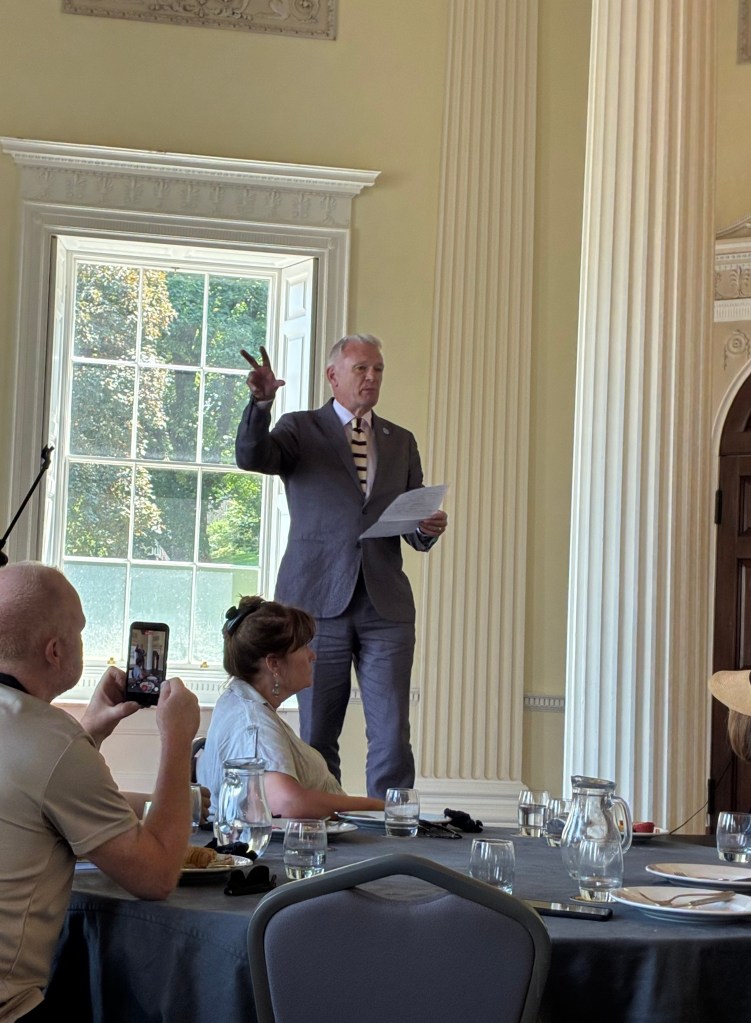
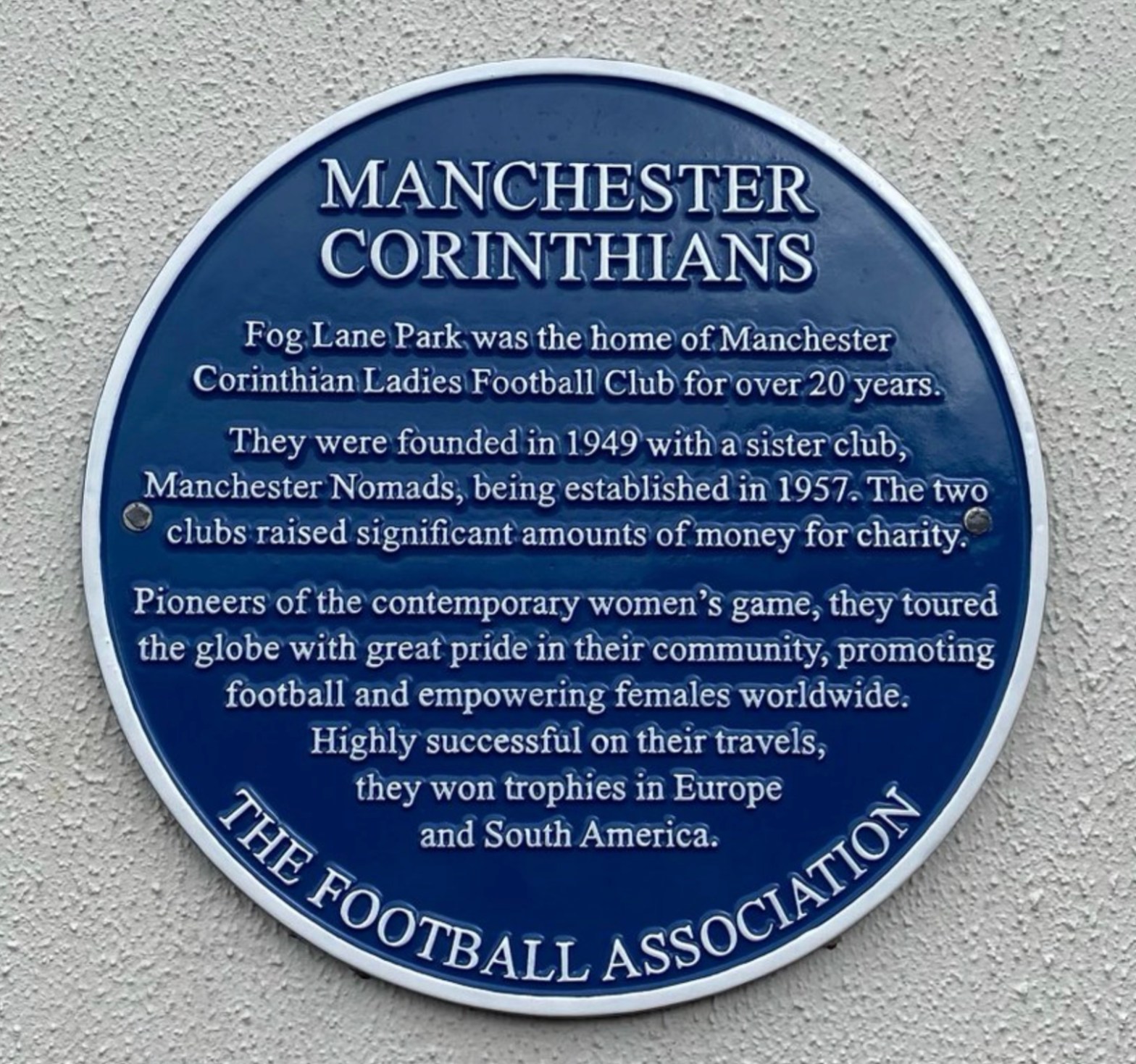
I had a nice reminder this morning that a year ago (Saturday 2 August 2025) we managed to stage another wonderful free event celebrating the pioneering Manchester Corinthians women’s team. This included a film show, talk and (most importantly) interviews with 6 Corinthians covering every era of the club’s existence. There were other Corinthians in the audience plus Wayne Murray (representing his mum and auntie – Elaine & Shirley Orange), Issy Pollard (Doncaster Belles & England) and Dennis Tueart (Manchester City, Sunderland and England).
Keeping to the best traditions of the Corinthians this free event also raised funds for the Hebden Bridge Women’s walking football team – several players were in attendance wearing their football shirts too.
Hebden Bridge was important to some of the promotion of the Corinthians’ stories. It was here in 2021 that I first publicly announced the idea of erecting a blue plaque. That was at an earlier free event and the 2025 free event at the Hebden Bridge Picture House completed the journey to some extent. Thanks to the cinema for all their support too.
The film shown was by Imprint and one of the people behind it, John Tueart, was also present. Imprint have made their film free to download too so please watch the following and share the link widely ( let’s get everybody talking about the Corinthians). Here’s the link: https://m.youtube.com/watch?v=AWsGr3G_izE
Thanks again to all who attended, especially those who donated money for the local walking football team and those who bought the book (£5 from every book sold also went to the local team). Please keep spreading the word. Here are a few photos from the event:
Every Monday starting on 3 August 2025 I’m posting a section from my book ‘The Emergence of Footballing Cultures: Manchester 1840-1919’. It tells the story of the origins of men’s football in Manchester and discusses the birth of both City and United plus the clubs that predated them such as Hulme Athenaeum, Manchester AFC, Birch etc. There is material in every section of the book that should interest fans of Manchester football, no matter which team you support, or academic researchers/historians.
Subscribing costs £3 per month (cancel anytime) or you could sign up for a year at the discounted price of £20 per year. Every subscriber gets access to everything posted on the site.
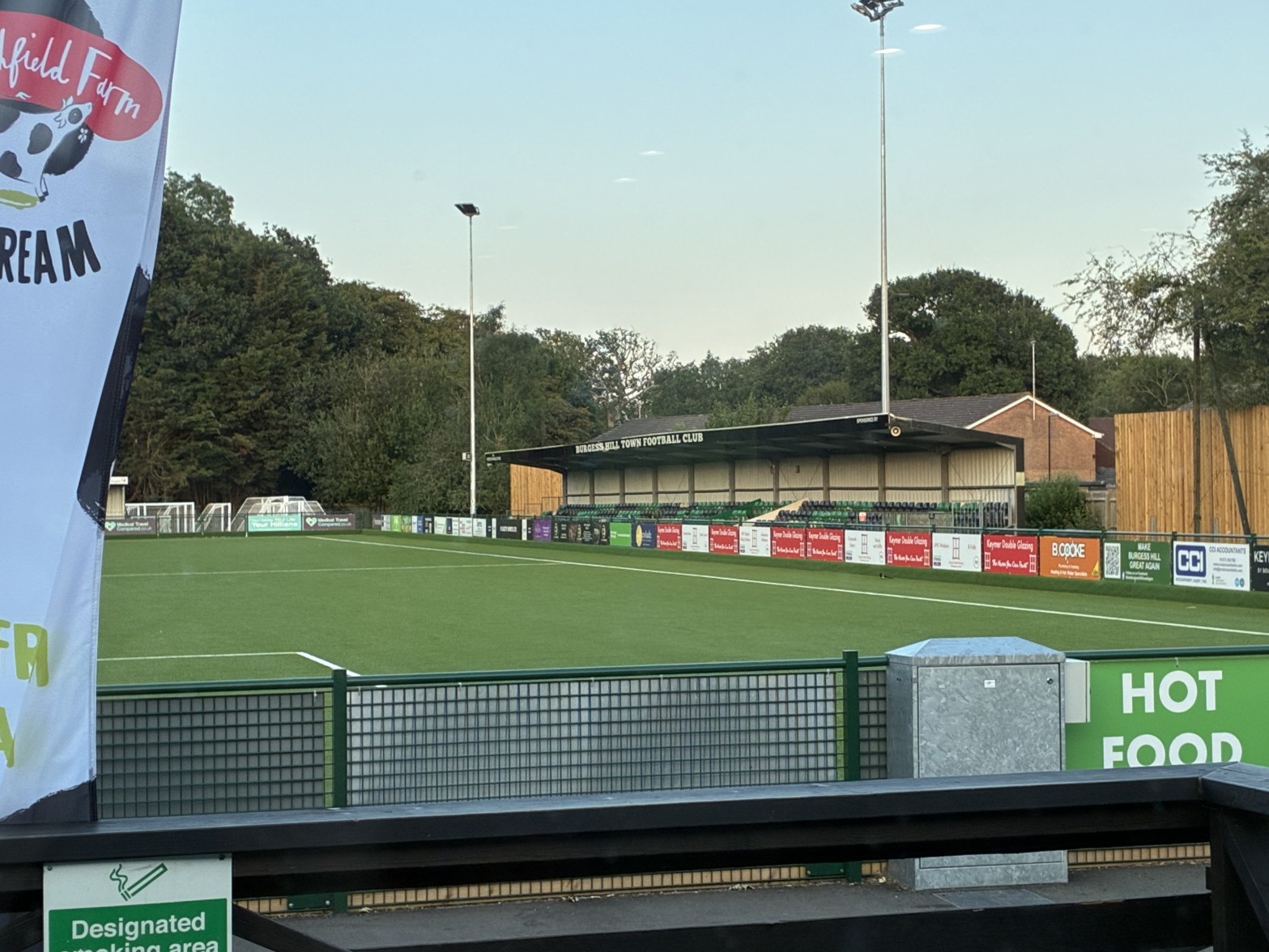
On Saturday 18 July I had a great time as guest of the Mid Sussex Manchester City Supporters Club at Burgess Hill Town FC. I really enjoyed the evening chatting with so many dedicated Blues and they also were keen to hear about the Manchester Corinthians (if you don’t know about them have a search through this site for stories and information). During the evening it was great to talk about some of my past meetings and interviews with Khaldoon, Kompany, Thaksin, Allison, Mercer, Swales, Bell and more. It was great reliving the early years of my writing when Joe Mercer wrote the foreword to my first book and then Busby and Mercer did similar for my second book. It was great to see that Daryn Buckley still had the book I personally signed for him back in 1989.
Thanks to all in attendance for making this a special night.
If you run a supporters club, history group, Women’s Institute branch, Rotary Club or similar group I’d be happy to talk about the Corinthians, City, the origins of football, Manchester, Hulme Athenaeum or any other area of research I’ve focused on. Feel free to get in touch.
Thanks again to all at Mid Sussex Blues for making me so welcome.
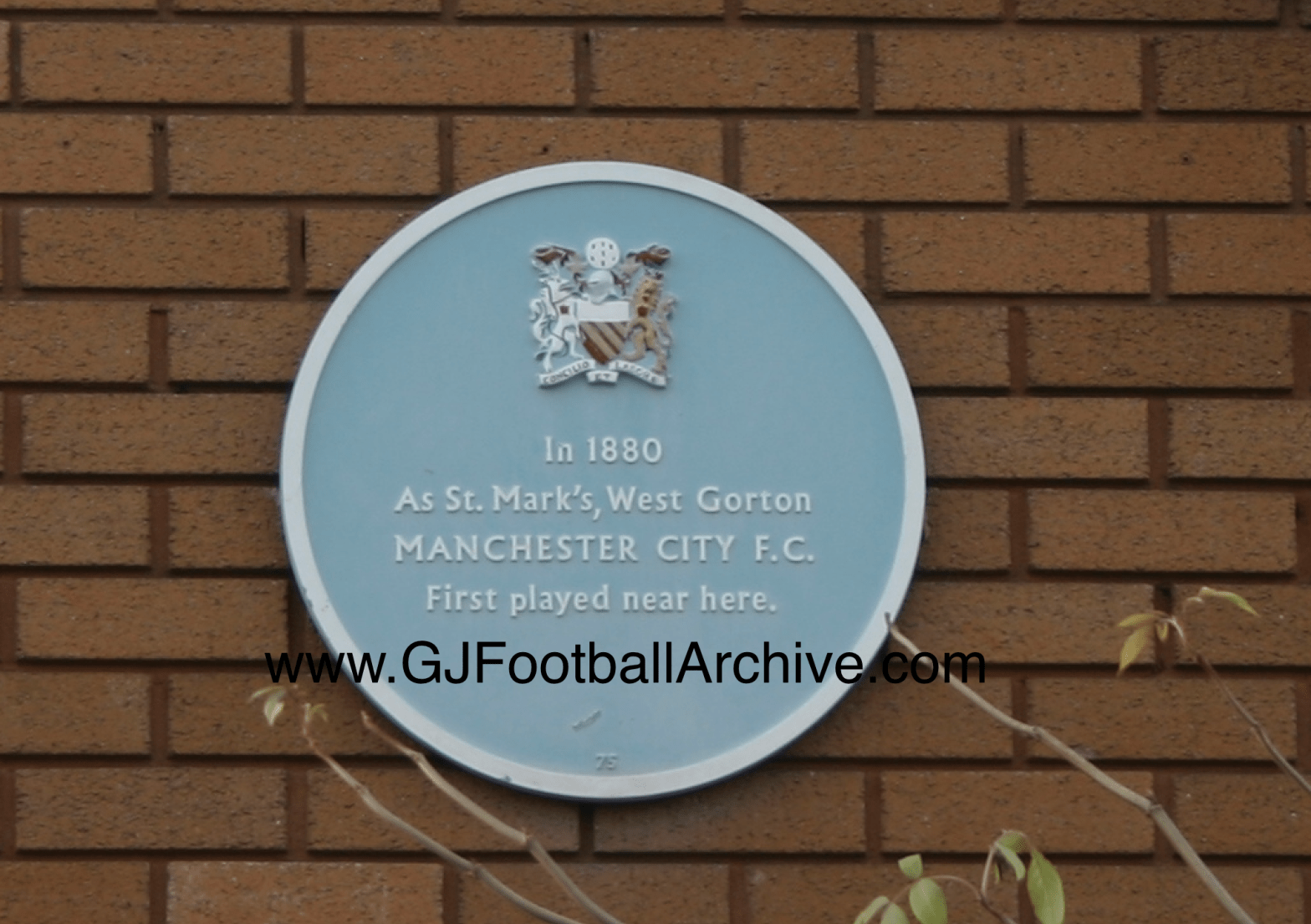
There are not many blue plaques in Manchester dedicated to football – There’s the Manchester Corinthians blue plaque (see elsewhere on this site for details of the campaign); the Football League first meeting (a red plaque); Newton Heath’s first pitch (a red plaque which is the standard colour for Manchester sites); the Fallowfield FA Cup final (black if I remember right) and that’s about it. Oh, there’s also the Bank Street plaque for United’s former home (just behind the velodrome/BMX centre). There used to be one to mark Manchester City’s birth positioned on the Aces public house close to Clowes Street in West Gorton BUT this vanished shortly after the pub closed many years ago. This image shows the plaque as it looked when I took this photo in the early 2000s. It’s seeing this plaque years ago that first got me thinking about marking footballing sites in Manchester.
What happened to it? It was obviously stolen but where is it today?
It was positioned incorrectly and should have been a few streets away to mark the actual first pitch of St Mark’s or maybe even the church itself.
If anyone knows where this plaque is today then please get in touch. Incidentally, I think the plaque marking United’s Newton Heath birth is missing too but I’ve not checked on it recently.
There are other plaques around Greater Manchester connected with football, for example the one at Stalybridge for Bert Whalley (again, see elsewhere on the site for the details of that).
Broadcast live on 25 March in 1970 was the This is Your Life TV episode with Manchester City boss Joe Mercer as the subject. Here are the details plus a special recording which supporters of all the clubs Joe was involved with could be interested in.
This Is Your Life was viewed at the time as significant recognition for a lifetime’s achievement. Only major stars and personalities were featured in those days, and the main idea would be that the subject of the programme would be surprised by the sudden appearance of presenter Eamonn Andrews and his ‘Big Red Book’. The subject would then be whisked away to a studio or other location where a variety of figures from the person’s life would be brought out to tell anecdotes and the like. The main part of the show would be broadcast live.
This is Your Life Joe Mercer 1970
Back in 1970 young Manchester City supporter John Stapleton was working on the series and he suggested they feature Joe Mercer as the topic of one show. John, who went on to be a prominent broadcaster with a well-regarded TV career, was interviewed by me a few years back and we discussed the programme and John’s part in the idea of featuring Joe: ‘I did it purely for the benefit of me and my dad. Eamon Andrews, the presenter, had of course a great interest in sport and I put the idea to him and the rest of the production team. Together with Norah, Joe’s wife who in recent years I often sat with at games sharing her boiled sweets, we concocted a situation where Joe and Malcolm were in a London hotel before a trip to watch a European game in 1970. Malcolm disappeared – deliberately as part of the show though Joe didn’t know this – and Joe was called to reception urgently. Eamon leaped out to do the big “This Is Your Life” reveal and Joe had no idea whatsoever. It was a great day for us all and Joe was thoroughly deserving of it as well.’
Joe was staying at a Hilton Hotel in London. As John described, He had been due to fly with Malcolm Allison to the continent to watch ECWC semi-final opponents Schalke but he had received a message to say the game was off. It was all a ruse of course. That night television viewers watched as Eamonn Andrews surprised Joe at the hotel reception desk: ‘Joe Mercer, former England playing star, now manager of Cup winning Manchester City, tonight. This Is Your Life!’
Eamon Andrews This is Your Life Joe Mercer 1970
At the start of the show the City team appeared. This had been an extremely busy time for the Blues. Over a 18 day period City had played two League games, the League Cup final, the second leg of the ECWC quarter-final with Coimbra and found time to work with television to honour their manager. This live show occurred on Wednesday 25 March and City were to face Derby in the League on 27th and Manchester United on 28th, plus they had to play the first leg of the ECWC semi-final with Schalke on 1st. It was incredible that a team would be involved in this at such a busy time but that’s the way it was.
This is Your Life Joe Mercer 1970 MCFC squad
As Joe explains in the show Malcolm Allison was nowhere to be seen. He had been staying with Joe at the hotel and the City manager commented: ‘I’m a great sleeper you see, and subconsciously I heard Malcolm getting up and I thought, oh, he’s going to the bathroom. I thought, well, he hasn’t come back, so he must be having a bath, and then I went back to sleep. I woke about ten and Malcolm had gone, but occasionally this happens – Malcolm disappears!’
Andrews explained that Allison had left early to watch the match which was still on. Joe was flabbergasted: ‘He’s left all his clothes! I’ve had to pack his bag as well!’
During the course of the show, Andrews informed Joe that Alf Ramsey had named the squad he was to take to the 1970 World Cup: ‘I know you haven’t had a chance to hear the news, but I’m going to tell it to you now, that two of your boys have been named by Alf for the World Cup – Francis Lee and Colin Bell. And two more in the twelve reserves – Mike Summerbee and Alan Oakes. Congratulations lads, and to the whole of the Manchester City.’
Joe was overjoyed.
Subscribers to this website are now in for a special treat as an audio of the entire episode has been preserved and can now be listened to here:
Subscribe to get access – Monthly
You can listen to this special recording of Joe Mercer, Eamon Andrews, Dixie Dean, Malcolm Allison, Stan Cullis, Stanley Matthews etc. by subscribing. It costs £3 per month (cancel anytime) to access everything posted since 1 Oct 2022 or there’s an annual option (below).
You can listen to this special recording of Joe Mercer, Eamon Andrews, Dixie Dean, Malcolm Allison, Stan Cullis, Stanley Matthews etc. by subscribing. It costs £20 per year (cancel anytime) to access everything posted since the site began in December 2020, that includes history talks, videos, a couple of my books, hundreds of articles etc.
Joe appeared on several other This Is Your Life shows including in November 1988 when Tom Finney was the subject and in 1980 when Emlyn Hughes was. He also appeared on two for Matt Busby, one in 1958 and one in 1971 (which opened at Maine Road).
The Programme details for the Joe Mercer episode are:
Edition No: 274
Subject No: 276
Broadcast live: Wed 25 Mar 1970
Broadcast time: 7.00-7.30pm
Venue: Euston Road Studios
Series: 10
Edition: 18
Director: Margery Baker
Producer: Robert Tyrrell
City supporter and broadcaster John Stapleton worked on the show
The guests were:
Norah – wife
members of Manchester City FC team
Francis Lee
Colin Bell
Mike Summerbee
Alan Oakes
Alan Percival
David – son
David & Joan Mercer, This is Your Life Joe Mercer 1970
Joan – daughter-in-law
Arthur – brother
Stan Cullis
Stan Cullis, This is Your Life Joe Mercer 1970
Billy Dixie Dean
Billy ‘Dixie’ Dean, This is Your Life Joe Mercer 1970
Jim Morris
Charles Palmer
Matt Busby
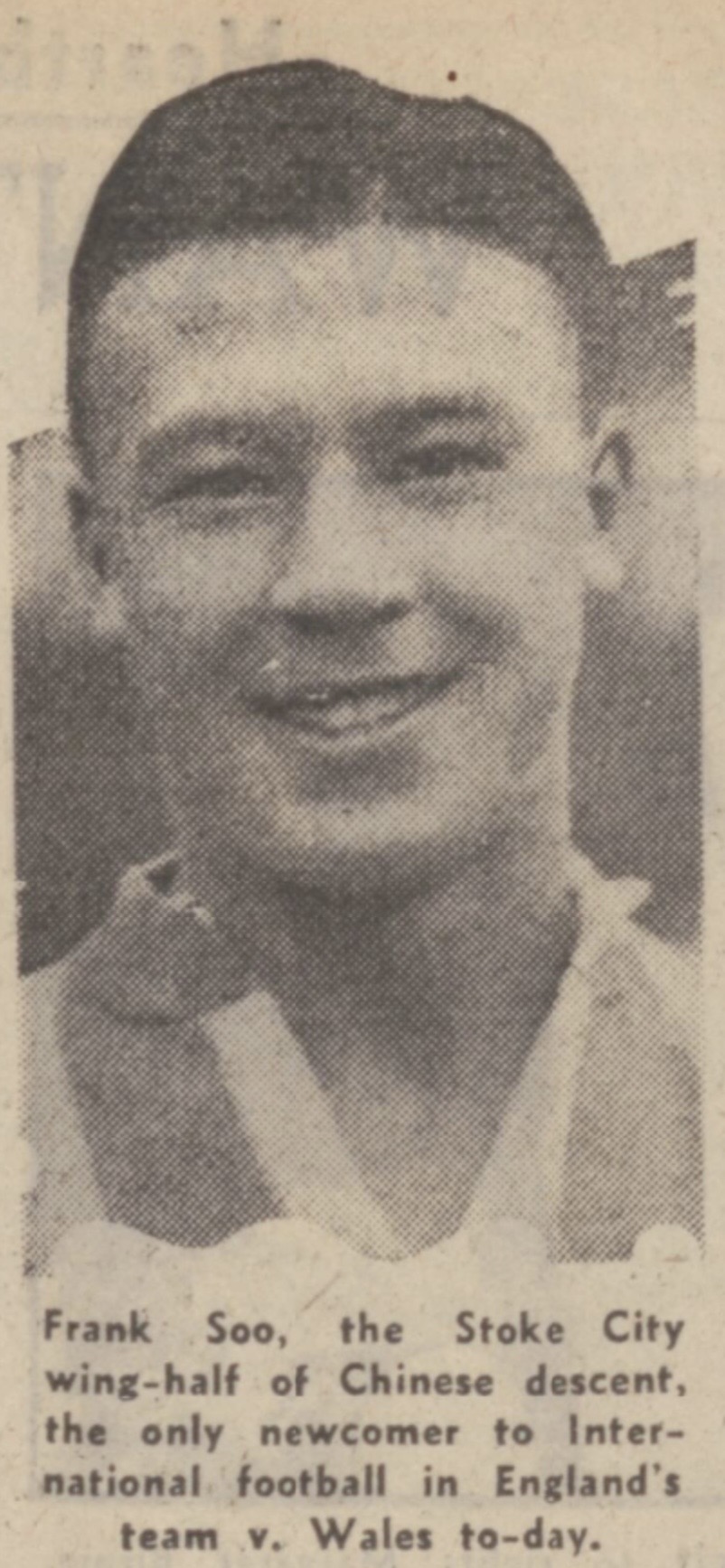
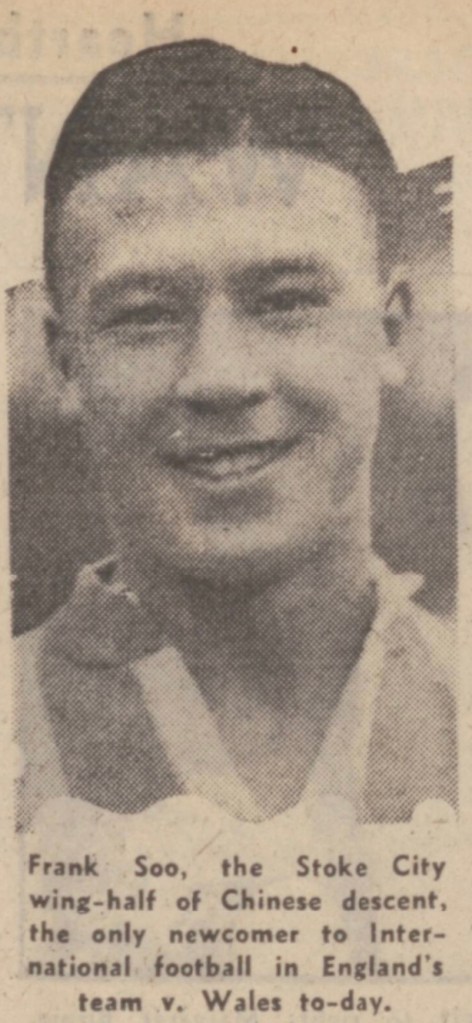
Frank Soo
Walley Barnes
Maurice Edelston
Bernard Joy
Roy White
George Hardwick
Raich Carter
Neil Franklin
Stanley Matthews
Stanley Matthews, This is Your Life Joe Mercer 1970
Filmed tributes:
Malcolm Allison
Susan – granddaughter
Albert Dyson – father-in-law
If you have enjoyed this article then why not subscribe (see above for details) for other material like this? If you don’t want to subscribe but would like to support the research into Manchester football by Gary James then it’s possible to donate below. All support is used to help perform further research that will be posted here for future generations. Thanks for the support.
If you enjoy all the free material on my website and would like to support my research and keep this website going (but don’t want to subscribe) then why not make a one-time donation (or buy me a coffee). All support for my research is valued and welcome. It allows me to keep some free material available for all. Thanks.
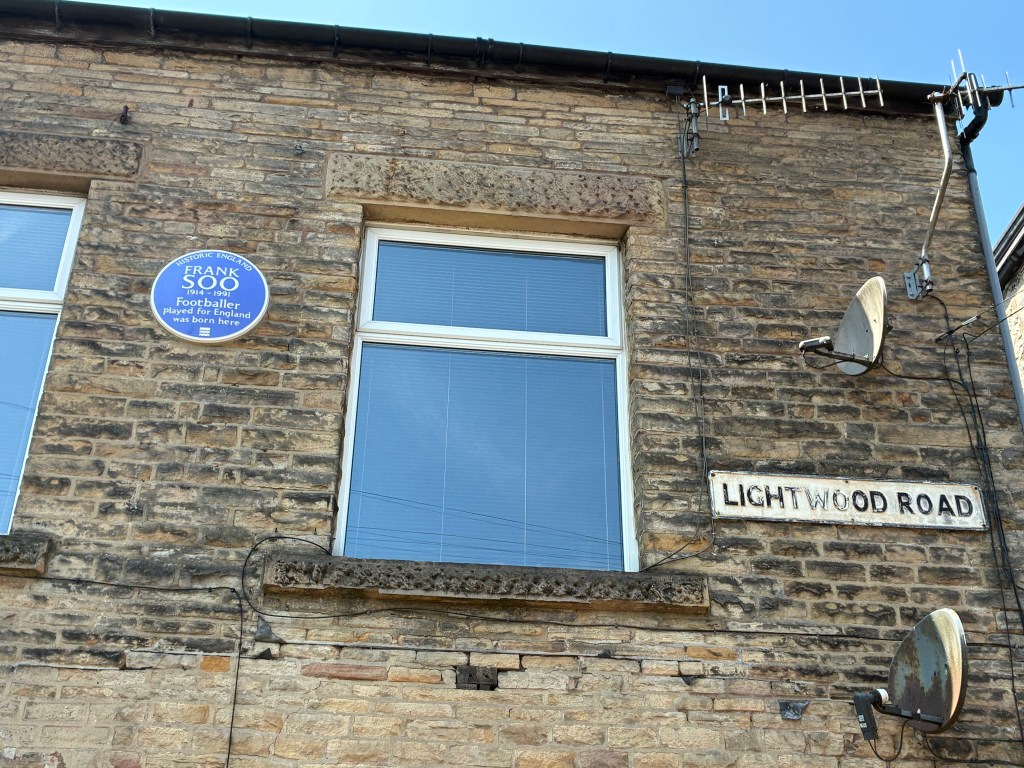
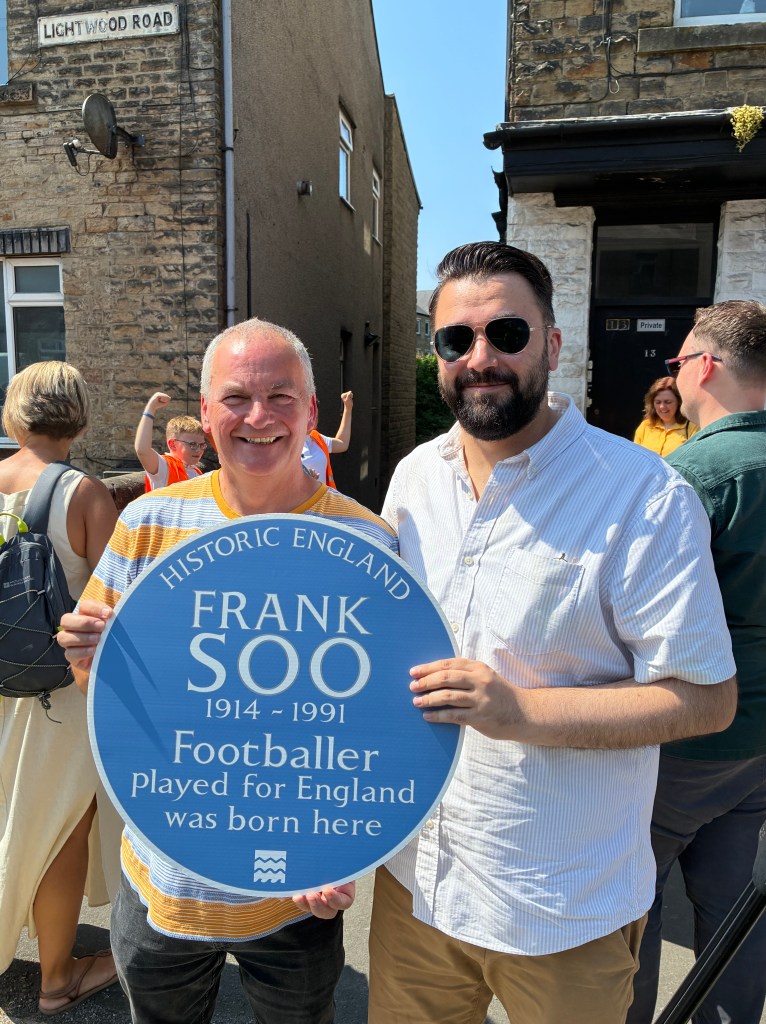
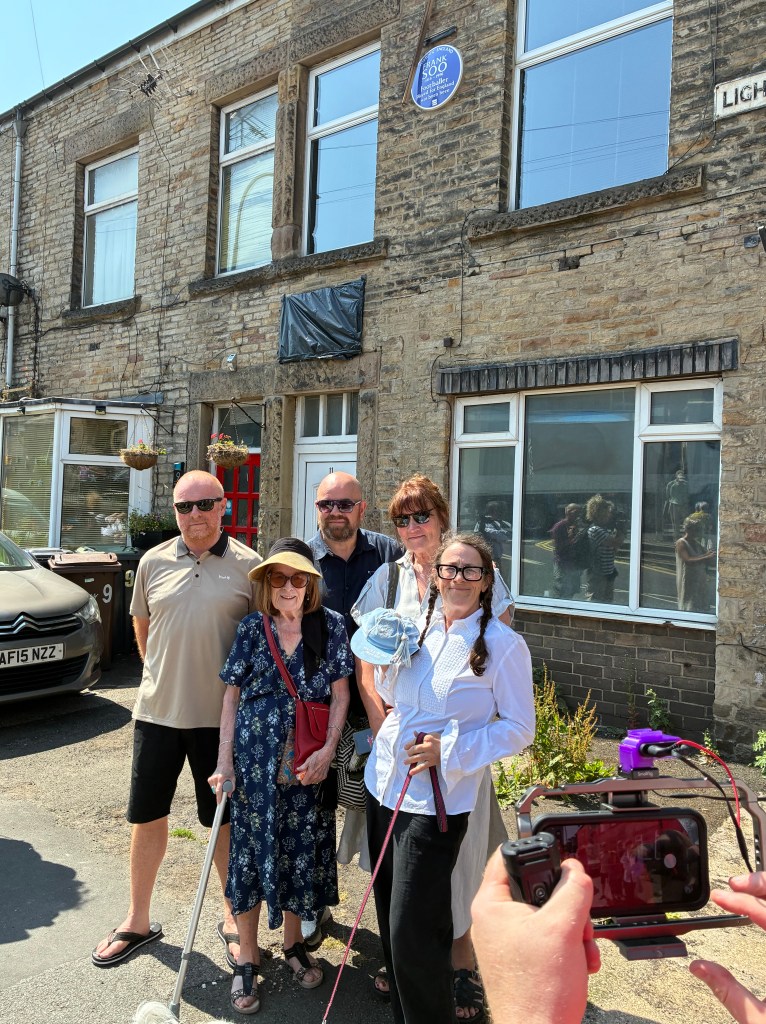
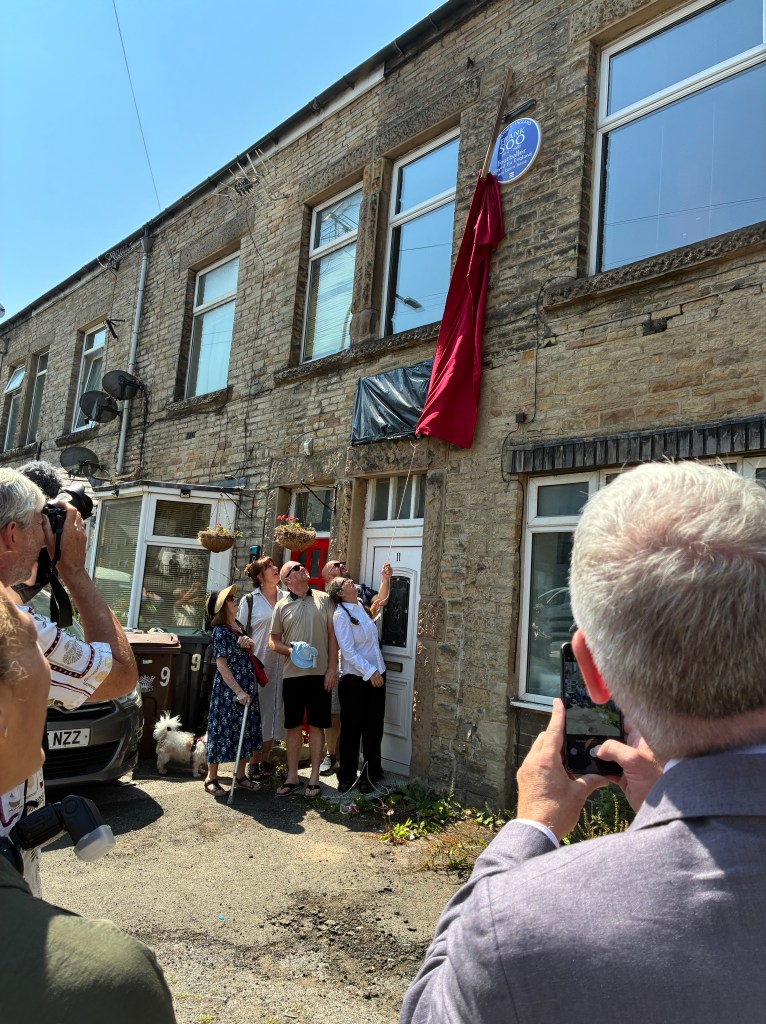
I was delighted to be one of the guests today when a Historic England blue plaque was unveiled for groundbreaking footballer Frank Soo. Soo was the first player of Chinese heritage to play for England and he was born in Buxton. HIs dad was from China, his mum was from Manchester. The unveiling today took place in the town and members of the Soo family were present today. HIstorian Martin Polley, representing Historic England, made a great speech about the player and other speeches were made by family members, local historians and blue plaque campaigners. Guests included Max Portman, representing the British Society of Sports History. Stoke City sent a message too. Here are a few images from the day.
You can find out more about Frank Soo (who was a teammate of Joe Mercer’s for England) and the campaign to erect a blue plaque to him here:
You can find out about other footballing blue plaques mentioned on my site by searching on ‘plaque’ below. Here you can read about the blue plaque campaign on the Manchester Corinthian Ladies FC:
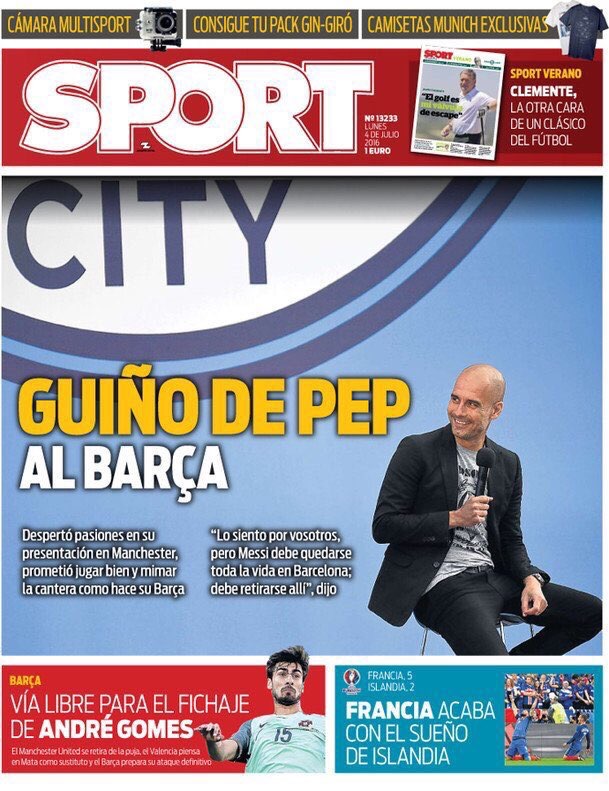
Ten years ago today (3 July) the new Manchester City badge was officially launched at the Cityzens Weekend. It was also the formal official welcome for new manager Pep Guardiola. There was a surreal moment for me when I was asked to go on stage to be interviewed about the new badge.
I had been consulted by the club on the history of all of City’s badges, emblems and similar for about a year or so, and had performed a series of talks to fans throughout the consultation period.
This was the most detailed badge consultation had ever performed with fans at any club – sadly too many clubs impose a badge without listening to fans. Doing the talks as part of the consultation helped bring out the stories of each emblem and why it was significant – or not! Understanding why, for example, the red rose was introduced in 1972 following the takeover of the club by Joe Smith & Co. or how the 3 emblazoned lines had always been a part of City’s badge (apart from 1972 and the Swales years that followed) helped some determine what elements mattered most to them.
You can find out more about City’s badge history here:
In 2016 I was the warm up act for Pep so it’s a wonder anybody listened. It was a great, positive day for the club and for all of us there. The years since Pep’s arrival have been truly outstanding. We all had hope on this day in 2016 but who’d have thought it would have been as great as it has been?
Three years ago today (10 June 2023) Manchester City beat Inter Milan to lift the Champions League trophy for the first time. So, settle down and enjoy this reminder of that special night (I wrote this in the days that followed)…
On Saturday June 10 2023 I attended the Champions League final in Istanbul. It was a wonderful experience and I’m absolutely delighted with City’s success. People will talk about this team and these players for ever.
It’s brilliant being at these history making moments and I cannot stress how much ‘us’ fans have enjoyed this journey (the wider journey, not the travel on the night – more of that later!).
I’ve decided to post here my story of the weekend and I hope you don’t mind this indulgence. I know every one of us who attended had a different experience but I hope this gives those who were unfortunately not able to be there a taste of what the trip was like. I know many Blues who would have loved to have been there but simply could not afford it, or take the time off work or were physically unable.
If you did attend and would like to talk about your experiences then please post them as comments to this piece. I’m contemplating doing a special history session on the journey and maybe would involve fan stories in that. Not certain yet but if I do I’ll mention it here soon.
Istanbul 2023 was always anticipated to be a historic moment in the history of Manchester City and, unlike, Porto two years earlier it felt the time was right. I shouldn’t care too much about opposition clubs but in truth playing Chelsea in 2021 did not have the glamour of Inter in 2023. Also, it always seemed to feel that when we played an English club in past seasons – LFC, Spurs and Chelsea – there was always going to be something fairly mundane and typically PL about it all. I always felt that when the day came for City to win another major European honour that they had to face a Real Madrid, Bayern Munich, Barcelona or one of the Milan clubs to achieve it. This season City not only faced three of these giant clubs but, especially against Bayern and Real, they proved they were more than ready to be European champions.
When we qualified for the final I, like all fans, worried about cost, flights, hotels and, most significantly, match tickets. I didn’t know if I’d be able to buy tickets and held off for a while booking anything but then I decided to take the plunge and book flights etc. To keep costs down I booked flights from Heathrow airport for the Friday morning, with return flight on Sunday about 1pm. I managed to get a cheap Travelodge near Heathrow and I then searched for hotels in Istanbul.
Initially, I found hotels via Booking.com but after being let down once before when we arrived at a UK hotel to find the owner had ‘double booked’ us (this was just after things started opening up post Covid and we got it cheap, by the time we went there several weeks later he could command a higher price and I think some profiteering went on), I decided to book direct with the hotel we’d seen. It actually turned out cheaper to go direct.
In recent weeks I’ve heard lots of tales from Blues of Istanbul hotels being cancelled at the last minute by owners saying there were issues with bank cards etc.
Eventually I managed to buy tickets and was fortunate to buy the cheapest unobscured view. I was in block 327 (row 12) with a 70 Euros ticket. I just had to be there.
View towards the main stand from row 12 block 327
Somehow it seemed appropriate that this journey to the Champions League final was to take place in Istanbul – the city of City’s first away European Cup tie in 1968 when I was a few months old.
The journey down to Heathrow was disrupted with lots of traffic issues (the weekend had many more of those!) but after a decent sleep I was able to drop off my car at Heathrow and wait for the flight.
At the airport everything went smoothly and several other City fans were waiting for this flight too. As was the commentator Alastair Mann who I’ve known for many years and it was nice to have a few words with him.
The flight was fine and once we landed we made use of the free City fan bus to Taksim Square. We were actually staying near the Grand Bazaar across the river but we wanted to see the other side and felt this would be a good way to do it. So, we walked through Taksim and down the side streets with our cases. The number of City themed bars for the day was great and the mood was extremely positive. Every one was having a great time and each shop, restaurant or bar seemed to have some staff member wearing a City shirt, obviously trying to get our business but it was nice to experience.
We had something to eat and then we walked towards the river and on beyond the back streets to our hotel. It was great to see so many City fans in and around Istanbul, not just in one or two areas but everywhere. Inevitably there would have been as many Milan fans at the stadium but the day before the game it felt as if there was only one team in town.
We spent the night enjoying the city and taking in the sights.
On Saturday I couldn’t wait for the game and we wandered the bazaar, enjoying the banter with locals and rival fans. We went to the blue mosque area and other sites too. Everything was positive, good natured and wonderful.
With Inter fans
After lunch we went down to Yenikapı to see the Champions League festival stuff, but mostly to get our bus to the stadium. We boarded it about 14.45 and then the fun started! Lots of travel and UEFA chaos – I’ll post a separate piece on that. I don’t want to distract us from what an incredible night this was.
On the bus to the stadium before the driver got lost, tried reversing on a busy motorway, got lost again and before the breakdown!
At the stadium we were sat on row 12 behind the goal and got in as early as we could after the earlier UEFA issues. I saw quite a few Blues I know of course, including Simon Clegg from the West Yorkshire supporters club and Will McTaggart from the North West Film Archive. A couple of rows in front was ‘Badger’ – a 70+ year old Blue many will know who used to wear a scarf with lots of badges (not Pete the Badge). Sadly, he told me one of his usual travel companions to City games had died and another had medical issues, and so he was travelling on his own. He’d had all sorts of issues with logistics and so it was great to see that he had made it. It was nice to see several regular away Blues go and say ‘hi’ to him and to check in with him.
The prematch entertainment was, as always, not really for the fans in the stadium. I don’t think the sound system was set up for us to hear it and while I personally wasn’t that bothered – and most people wanted to chant our own City/Inter songs anyway – there will have been some in the stadium who did want to listen. It seems to be all geared around the global audience not the ones who have paid to be there.
UEFA fooled us by getting a pianist to play the Champions League anthem – I think we all expected the usual fanfare recording and those who wanted to show their displeasure at UEFA didn’t get their usual chance.
The match itself was quite tense. I don’t need to go into it all but I did feel much more nervous than I was pre-match. Kevin De Bruyne going off injured felt like a deja vu moment. Fortunately it wasn’t but things didn’t seem to click. Maybe the significance of the occasion affected the players and us fans? Whatever it was, it was one of those tense days where we just needed to see a goal to lift things. When it came it was delirium in 327 and all other City blocks around me.
The bloke who stood next to me was on his own and we hugged and celebrated as if we’d known each other for decades. It’s really odd but, for those of us who go to games regularly, there are often those people you stand or sit next to who become your best buddy for a couple of hours and then you don’t see them again. That’s how it was – sorry I didn’t get your name but you were sat in 327 row 12 seat 241, though you mostly stood at seat 242. Thanks for sharing this experience.
Things were tense even after the Rodri goal. Ederson’s knee and the bar kept us safe at times! At 85 minutes the bloke next to me said ‘ten minutes to go’. I said ‘5!” He said ‘and 5 minutes of added time. Keep with the script!’ Sure enough he was right.
After the whistle. 2023 Champions League Final Istanbul v Inter Milan
When the whistle went it was another marvellous celebration. The lads behind had been muttering about getting on the pitch for a celebratory pitch invasion but there was no way that was possible with the set up. In the end the players climbed over the adverts and photo positions to get as close to us as possible. That was certainly appreciated and it was wonderful to see them all get so giddy with the success.
Winning the Champions League is a major landmark. I remember a decade or so ago people were saying: ‘you may have won the League but you’ll only be considered a great team when you retain it.’ City retained it. Then it became: ‘you’ll only be considered a great team when you win three in a row.’ City managed that. Then it became: ‘you’ll only be considered a great team when you win the Champions League and the treble’. Well, this means that Manchester City are a truly great team then!
It finally happened!
The celebrations were superb and everyone left the stadium buzzing. What a night! Then it was chaos again (as I said earlier, more on that another day).
About 3am on the Champions League return buses. Sat on the floor
After the bus journey we arrived back at Yenikapi about 4am (we were out of the stadium about 12.35am). Walking back to our hotel I saw Noel Bayley, who I’ve known since the 80s when he first created the fanzine Blue Print. It seemed fitting in some way that I’d bump into someone who was there with us in the 80s demanding Swales Out on a night when we’d achieved our biggest success.
Just after 4am after City’s Champions League final win – Noel Bayley and Gary James
Hardly any sleep followed as we had to be on our way to the airport at 9.30. Our taxi was late – no surprise the way transport had been this weekend – and as we waited two lads who had clearly been out all night staggered into the hotel. Two match programmes were in one lad’s back pockets but they seemed somewhat lost. They weren’t. They were in the right hotel but they’d lost the key to their room and had no identification either for some reason, so we tried to help and they got a duplicate key. They’d certainly had a good night in Istanbul!
We shared our taxi with another fan who had heard there were problems with his flight, so. he was heading to the airport early.
At the airport everything seemed to go well. Both Shaun Wright-Phillips and Peter Crouch were on our flight, and by coincidence I was sat next to a City fan I know via twitter: https://twitter.com/BertiefulSouth
Getting home from Heathrow yesterday brought its own traffic issues but the knowledge that City had won the Champions League and the treble kept us positive throughout.
So City have won the trophy after 15 years of planning, building and development. This is a major achievement and lifts things considerably – and it stops Villa singing that song to us!
City’s first major European trophy came in 1970 before Liverpool, Juventus and Chelsea for example. Now, 53 years later they have added the Champions League to their impressive trophy haul. Only Liverpool have a longer span of success from their first major trophy to their most recent, proving that City have. a rich footballing history.
1970 ECWC
Finally, I know this has been a lengthy piece but I just wanted to throw a few thoughts, memories and comments down. If you’re one of the people who managed to get to Istanbul I hope you managed to stay safe and enjoy it. It was difficult for many to be there and so I am so grateful that I managed to get the chance to buy tickets and afford travel to attend this landmark moment in football history.
Thanks to all those involved in the journey over the years. This has been special and I’m glad I saw so many Blues from various phases of my life out there and I feel for those who couldn’t make it this time.
If you enjoy all the free material on my website and would like to support my research and keep this website going (but don’t want to subscribe) then why not make a one-time donation (or buy me a coffee). All support for my research is valued and welcome. It allows me to keep some free material available for all. Thanks.
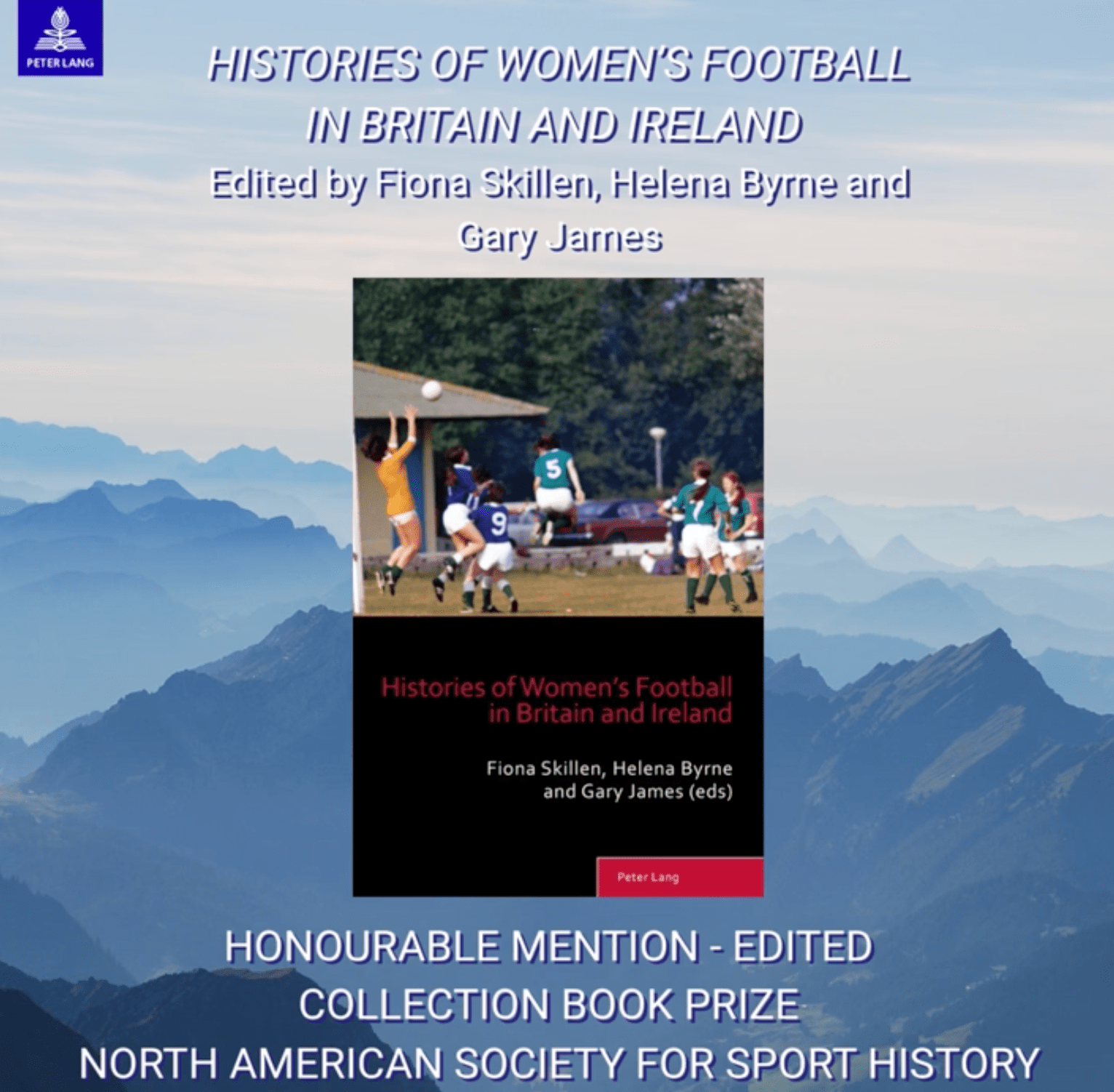
I’ve not had chance to talk about this yet but a book I co-edited with Fiona Skillen and Helena Byrne on the history of women’s football in Britain and Ireland has been recognised at an international awards. To gain international recognition at a major sports history conference in North America is some achievement. Thanks to all those who contributed chapters to the book and thanks to NASSH and the awards committee for this recognition. It truly is remarkable. Thanks.
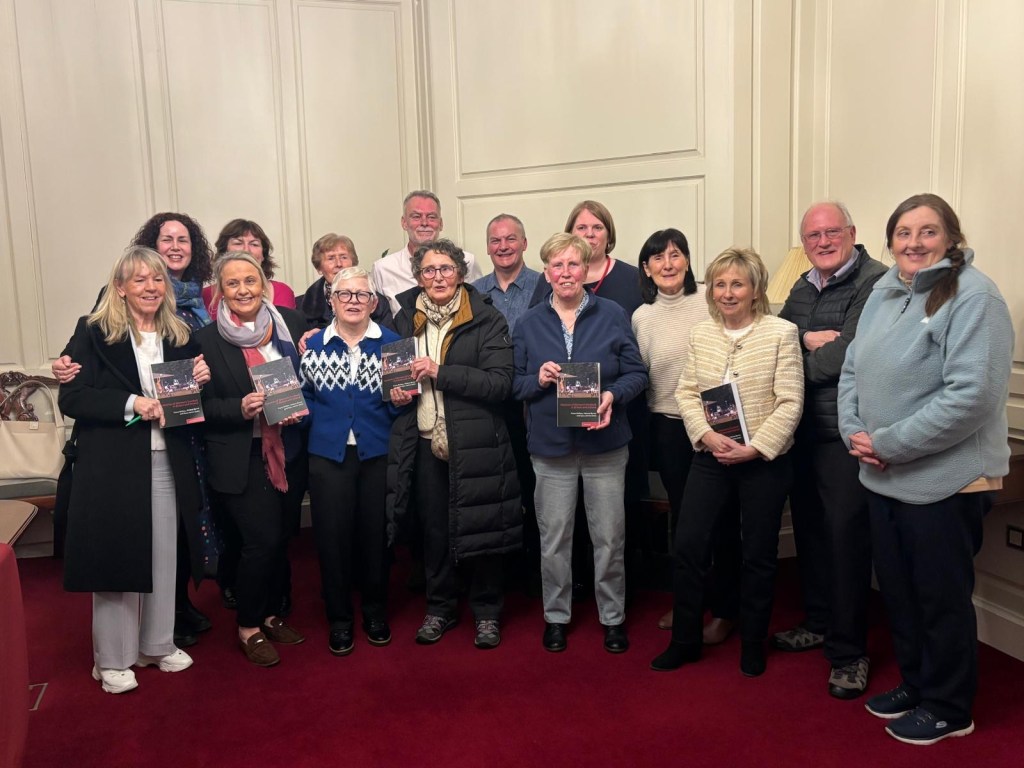
We’ve had a couple of launch events for the book in London and Dublin which were attended by female footballers from the UK and Ireland who played in the 60s, 70s, 80s and beyond. The book is an academic book and is not the cheapest so if you’re interested in reading it then maybe seek out a copy at your local library. For any library, university or other organisation interested in the book then details are here:
I meant to post this the other day. I was on Tameside Radio on Friday (15 May 2026) talking about the Manchester Corinthians and urging other Corinthians to come forward. You can listen here (select 15 May episode): https://www.notreallyheremedia.com/on-air/lewis-connell/ Thanks to Lewis and all at Tameside Radio for the ongoing support for the Corinthians and this 11 year long project.