For well over a century football has been a crucial and popular aspect of Mancunian life. It’s been part of the city’s identity. So for today’s piece I’m taking a look at football’s early years. Here is a 1800 word overview of the major Manchester clubs that existed before today’s giants, followed by the origins of Newton Heath and St. Mark’s, who both played their earliest known games in November 1880.
This article is available to subscribers to my site.
Subscribe to get access
Read more of this content when you subscribe today. It costs £20 a year (or £3 per month if signing up a month at a time). Throughout your membership you have full access to everything on this site including interviews, recordings and PDFs of a couple of my books that have been long out of print. Why not sign up for a month and see what you think? I commit to 4 new lengthy articles per month, though in practice it’s been much more than that.
Watch this film taken from the away section at the Etihad last week of Manchester City’s third (and title winning) goal. The celebrations are great to see from this end:
Those celebrations hey? Genuine, powerful, raw… it matters!
In January this year the Newcastle Chronicle published a story that intrigued me. It talked of the history of fans wearing football scarves and suggested that a Newcastle fan in 1932 was the first to be photographed wearing a football scarf. The article explained that previously it had been claimed that an Arsenal supporter at a 1934 FA Cup tie had been the first filmed/photographed wearing a traditional bar scarf. This set me off looking into the history of football scarves and of fans showing their colours.
So, here for subscribers to my site is a 1400 word article on showing your colours, focusing on the stories associated with Manchester City…
Subscribe to get access
Read more of this content when you subscribe today. It only costs £20 a year and throughout your membership you get full access to everything published on the site, including the entire Manchester A Football History book and my first book From Maine Men To Banana Citizens to download. You can also sign up a month at a time for £3 per month. My commitment is to publish at least 4 new lengthy articles per month but in practice I’ve posted a lot more than that. Why not sign up for a month and give it a try?
Every time City win a trophy in dramatic fashion I always think ’ah, well we’ll never experience anything like that again. Next time it’ll feel different’ but then they go and do something like today. As time goes by we’ll start to think of this as an incredible way to win the title. For now its more of a ’phew!’
Congratulations City. Great achievement and it’s been an incredible season. To win the Premier League you have to be the best, most consistent team that season. Cup competitions are important and it’s great winning them but ultimately winning the League – especially one that we are often told is the greatest in the League – is the mark of a truly great team. Brilliant work City.
Let’s not forget it’s 4 titles in 5 seasons too!
Years ago the great City coach Malcolm Allison told me that ‘it’s important to celebrate each success as if it’s your first because it could be your last.’ Let’s keep celebrating Blues. Never take anything for granted.
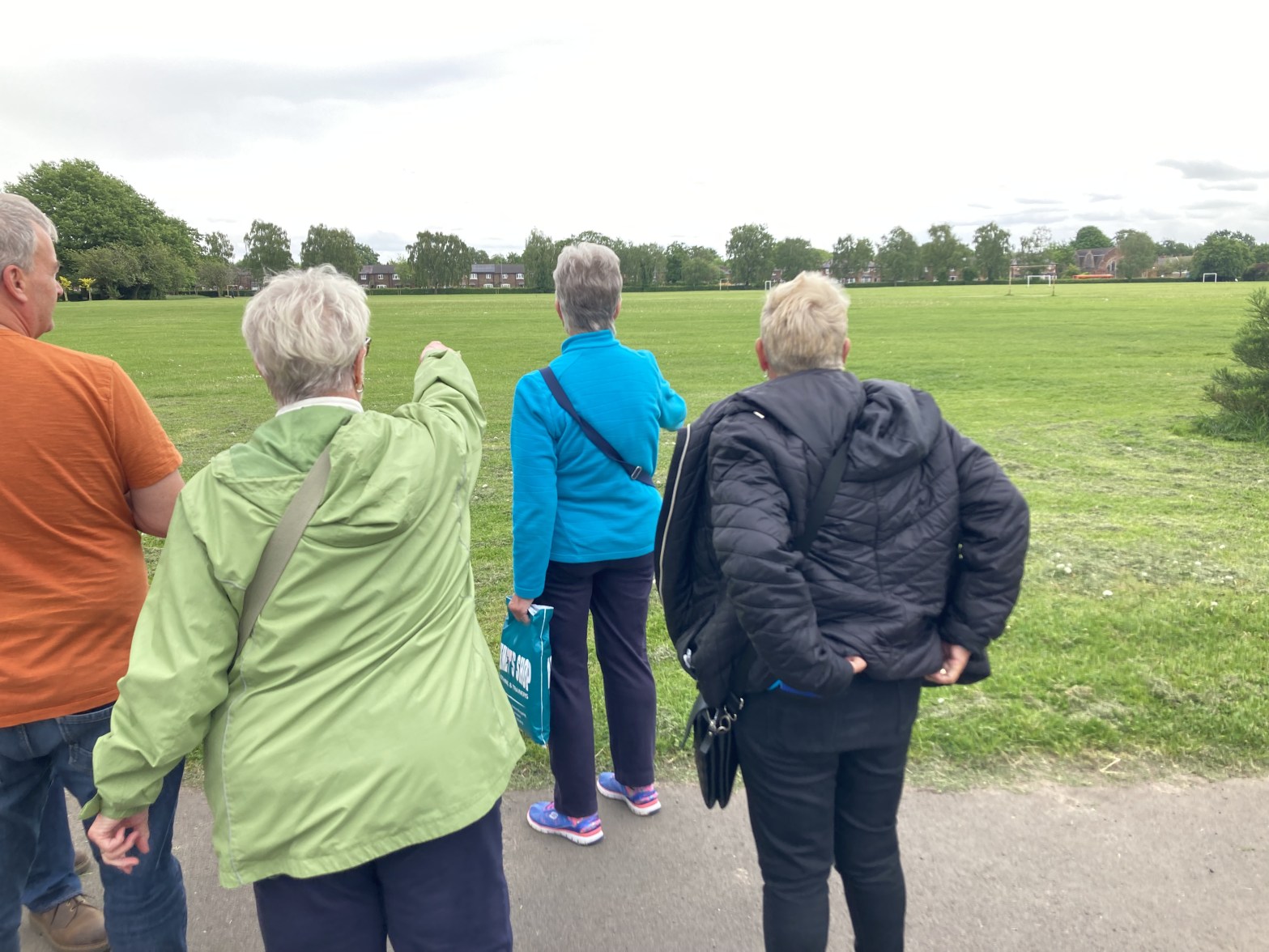
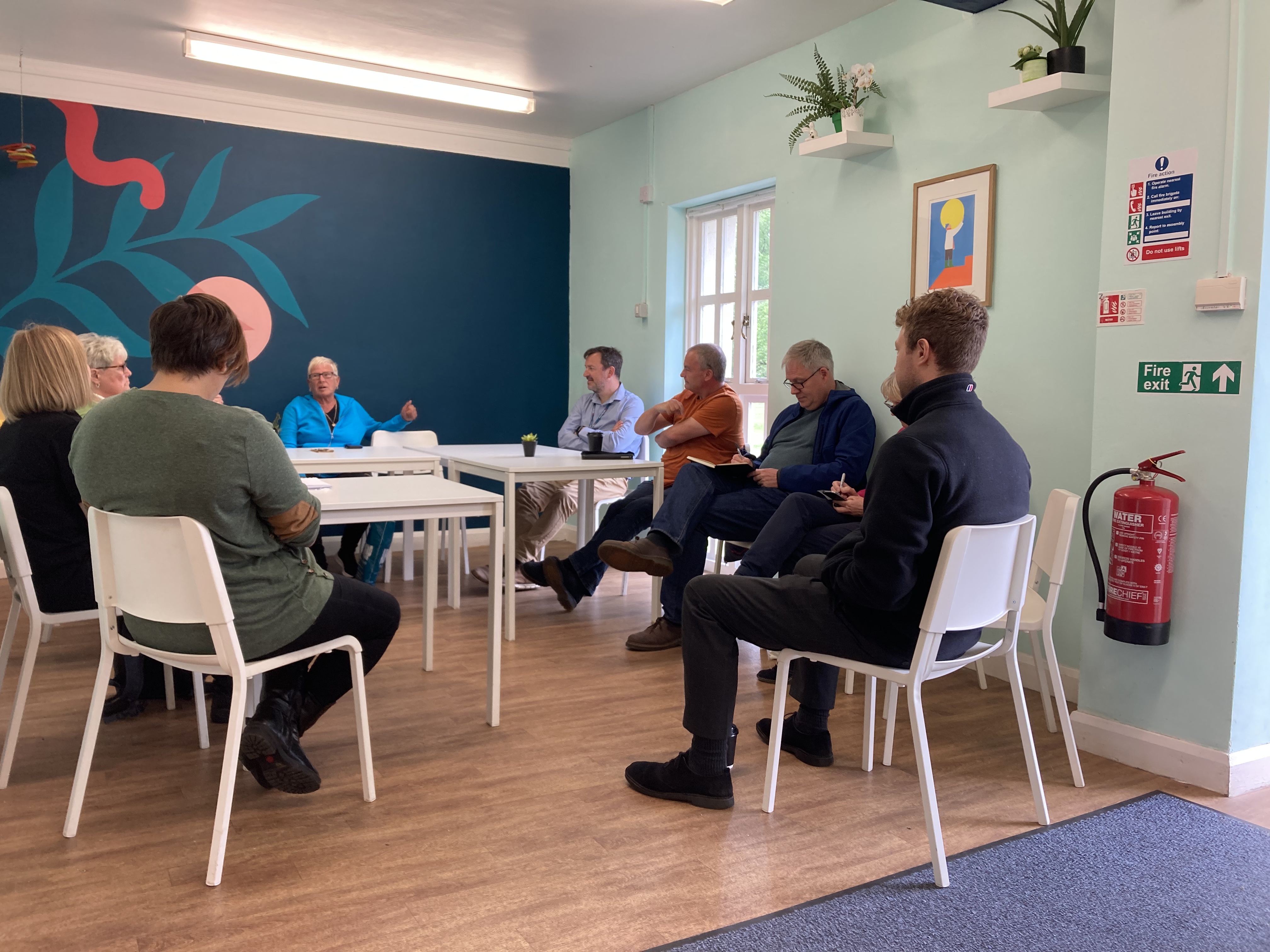
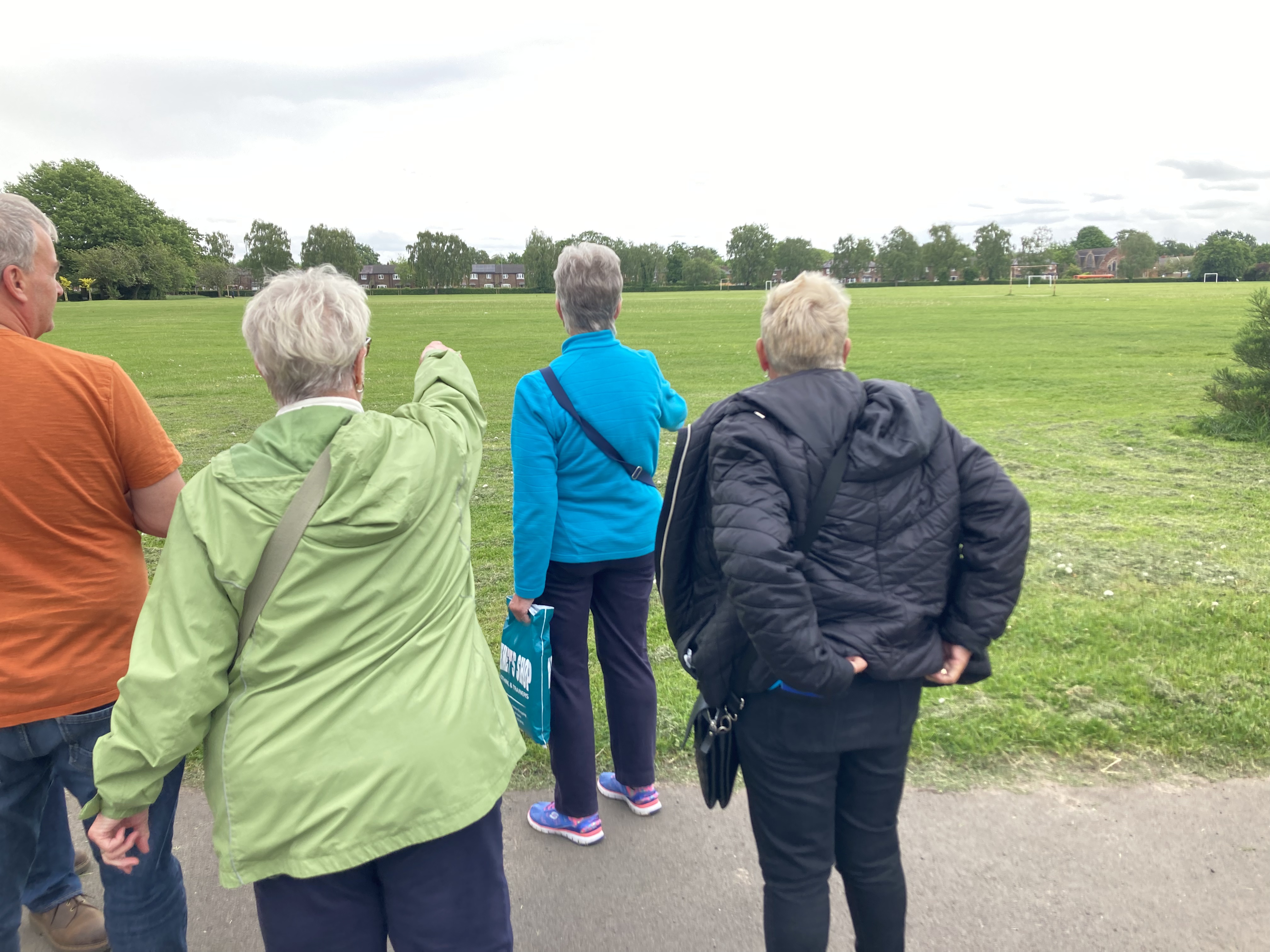
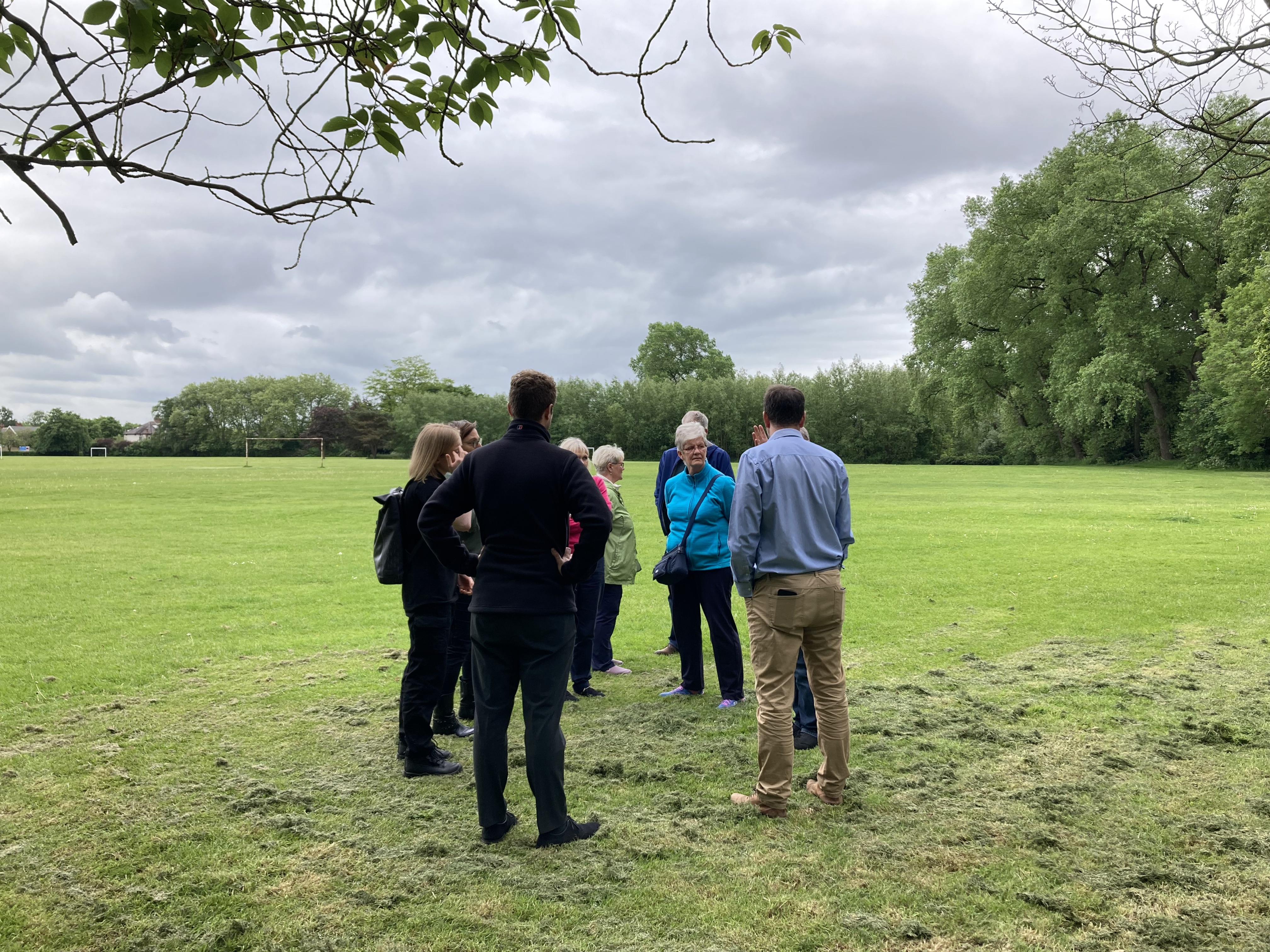
I promised an update on the plan we’ve been putting together to have a plaque erected to the Manchester Corinthians – a pioneering women’s team that was established in the 1940s and promoted football, Manchester and female endeavour across the world over the following four decades. Today we had a progress meeting which was attended by representatives from Manchester City Council, the Friends of Fog Lane Park, myself and, most importantly, Janice Lyons, Margaret Shepherd and Margaret Whitworth from the Corinthians.
The meeting went exceptionally well and we discussed the plans for the erection of a plaque and further recognition to highlight the Corinthians history and significance. It was extremely positive and the support and enthusiasm from Manchester City Council and the Friends of Fog Lane was great to see.
It is clear we will need to raise some funds to achieve all we want to achieve. Hopefully, we’ll be able to formally announce fundraising plans in June. Watch this space.
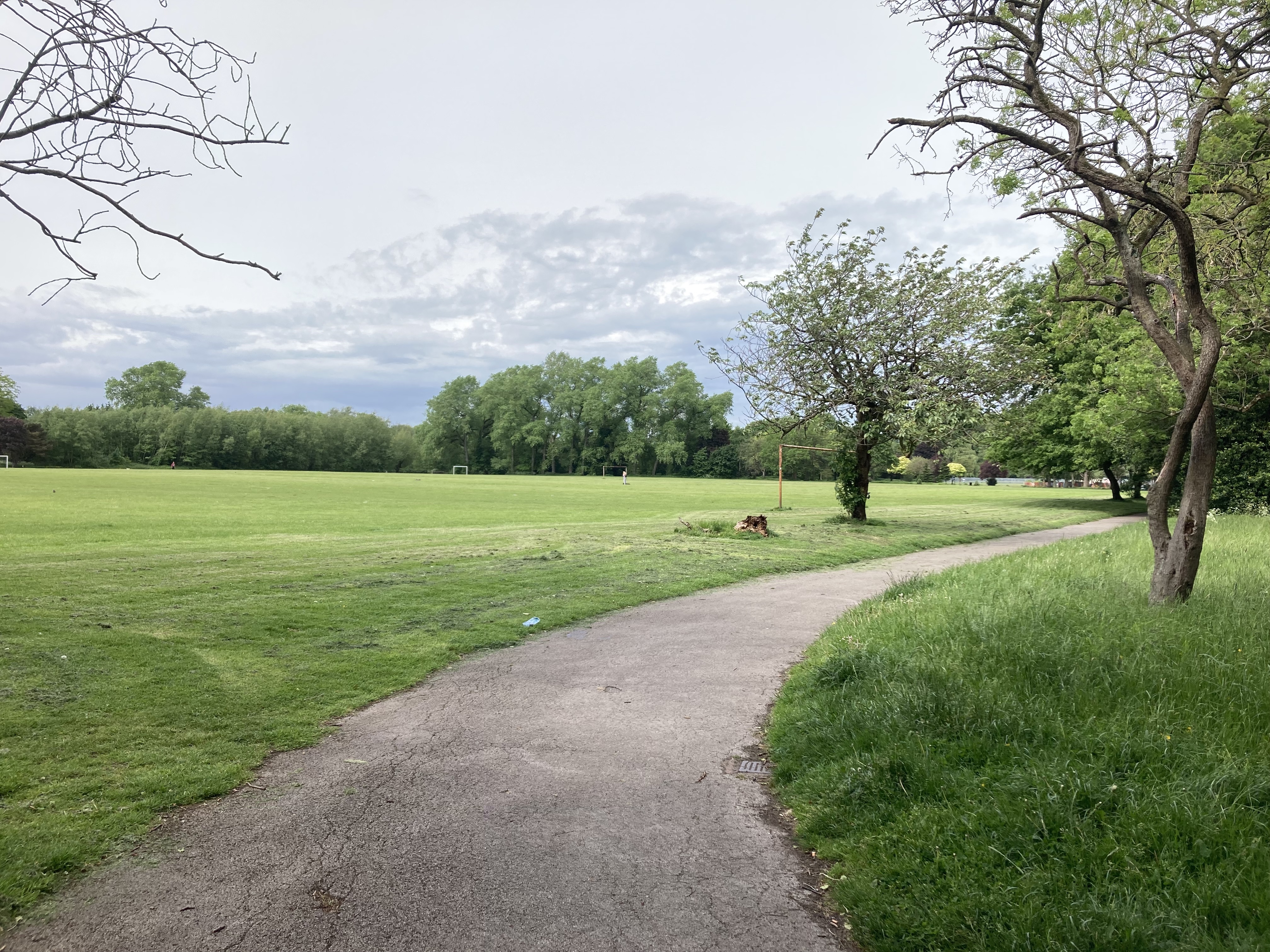
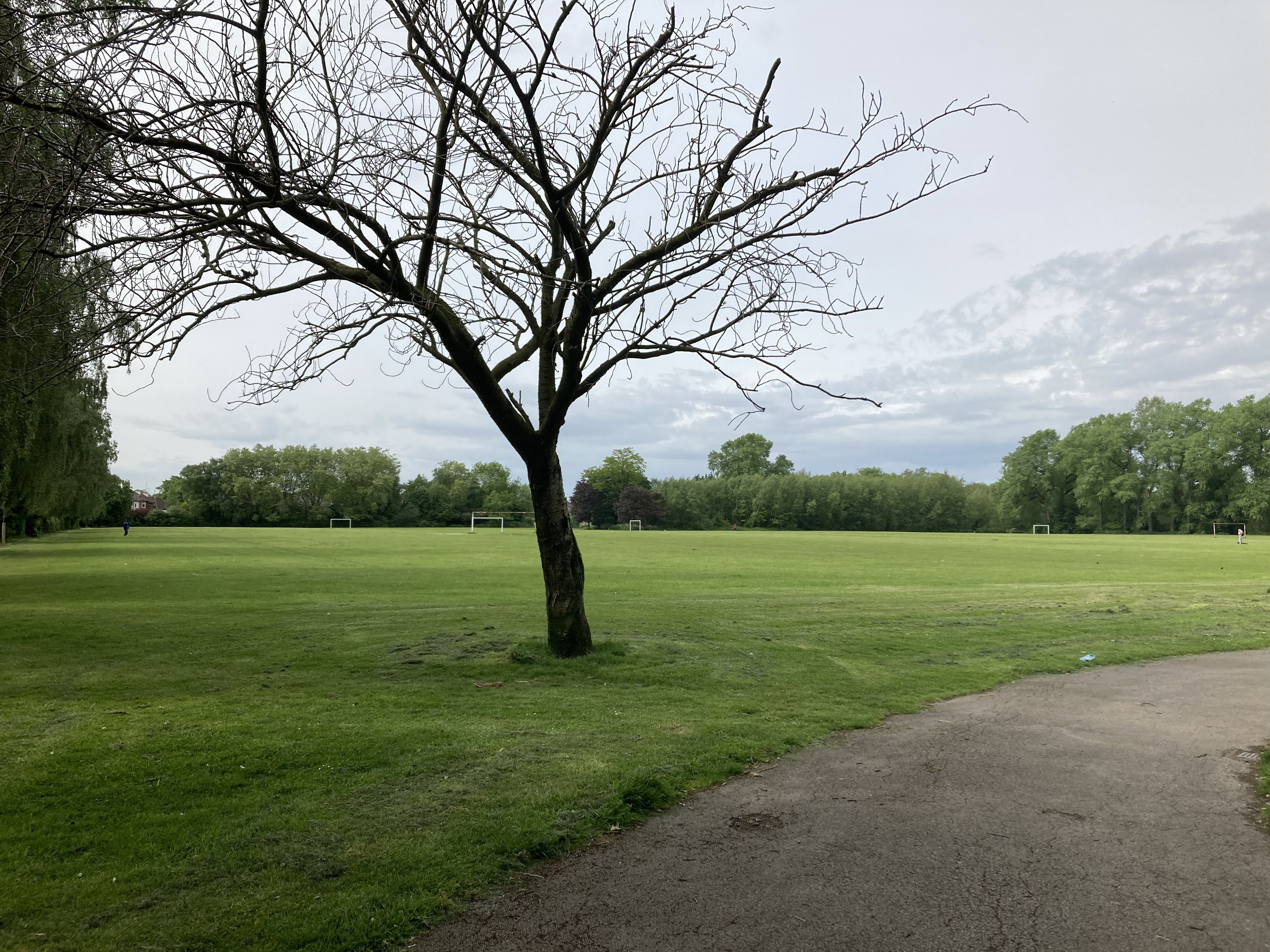
Everyone agreed that the Manchester Corinthians’ history needs celebrating at Fog Lane Park. Why Fog Lane? This was the site of their training ground and home for many, many years with their old pitch located close to the former home of Percy Ashley, the founder, which is still clearly visible today from the park.
In 2024 I will be publishing the Authorised History of the Corinthians and you can read about that here:
If you’d like to find out more about the Corinthians then please use the category link below or search my site for more details. I’ve also written various other articles for the Manchester Evening News, When Saturday Comes, the Manchester FA and She Kicks. Some of these are linked to here:
By the time the 1920s commenced City were regarded as one of football’s major clubs. So much so that in March 1920 King George V chose to attend Hyde Road for City’s 2-1 defeat of Liverpool. The Blues finished that campaign in 7th place but it was the 1920-21 season which proved City deserved to be regarded as a major force on the pitch.
Subscribe to get access
Read more of this content when you subscribe today.
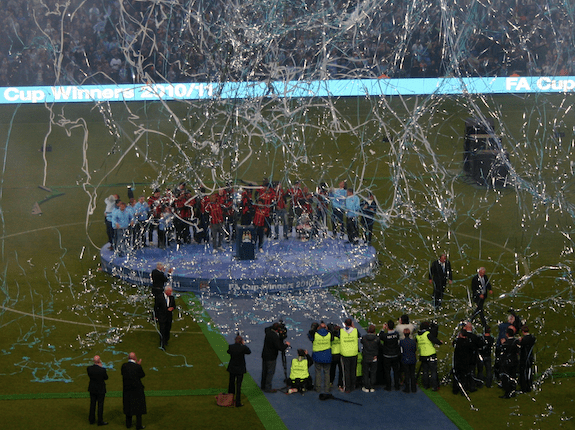
Had we all been allowed to attend matches last season I would have marked the tenth anniversary of Manchester City’s 2011 FA Cup success with a programme feature. Sadly, Covid prevented that and now, a year on, I want to commemorate the eleventh anniversary of that FA Cup success. How time flies!
There are so many angles to that first major success of the modern era for Manchester City and it is impossible to cover them all here. Elsewhere on this website I talk about the 2011 FA Cup run, especially that semi-final win over Manchester United. If you’ve not heard it have a listen to this:
This is a subscriber article. It costs £3 a month to subscribe OR take out an annual subscription at £20 (works out about £1.67 a month). All subscribers get full access to everything throughout their subscription.
Subscribe to get access
Read more of this content when you subscribe today.
Manchester City Women’s (then as Manchester City Ladies) first FA Cup tie was a 7-2 defeat at Robin Park, Wigan on 17 September 1989. This was only the second competitive game ever played by the club and came less than a year after formation. Since then, apart from a couple of seasons in the 1990s when the Blues decided not to enter, City have been regular competitors in the competition. In September 1999 City achieved their record score in the competition: 26-0 v Norton, WFA Cup Extra Preliminary Round and on this day (May 13) in 2017 they reached the FA Cup final for the first time.
Here for subscribers is the story of that final as told by those involved and those who were there… as documented in Manchester City Women: An Oral History – get your copy here if you don’t want to subscribe to this site:
I’m sure it gets boring to some but for those of us there that day the drama and the emotion can never be forgotten. Here’s my own personal film of the moment the final whistle went on that incredible day when MCFC won the Premier League title in 2012.
I know the camera’s all over the place (I was jumping up and down like everybody else) and the sound isn’t great but I hope it helps to show what it was like to all those who couldn’t be there that day.
If you would like to view the other in-depth articles on this site then please subscribe. It works out about £1.67 a month if you take out an annual subscription (£20 per year) or £3 a month if you’d like to sign up for a month at a time. Each subscriber gets full access to the hundreds of articles posted so far and the hundreds scheduled to be posted in the coming weeks.
On this day (May 11) in 1968 Manchester City defeated Newcastle United and won the League title. Here’s the build up to that game; the story of the match itself and quotes from those involved. Enjoy!
Subscribe to get access – Annual
Read more of this content and everything else on this site when you subscribe today. £20 a year (works out about £1.67 a month) and you access all the interviews, articles and the entire Manchester A Football History book too for as long as you’re a subscriber. Thanks Gary









 Gary James' Football Archive