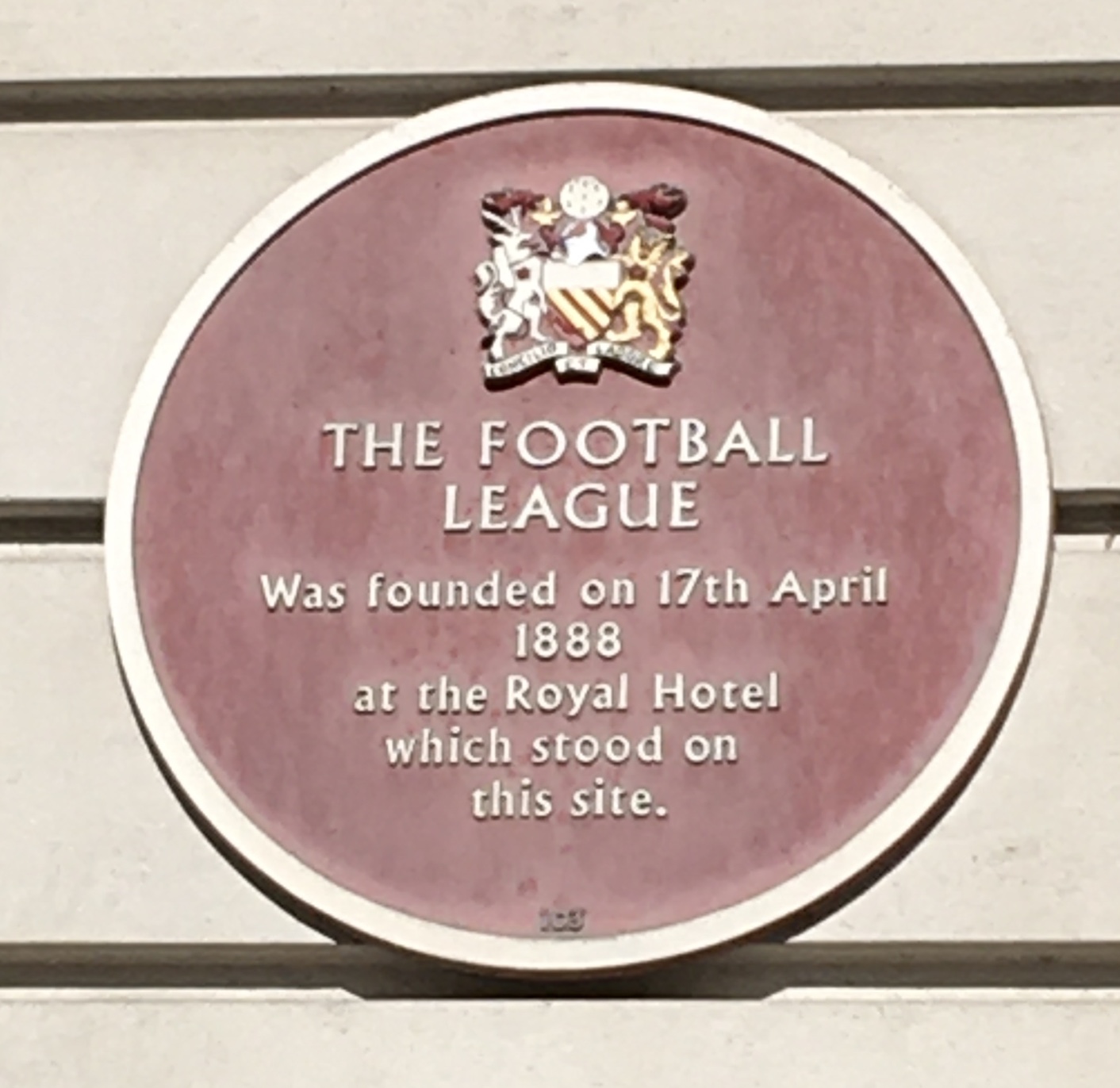
On this day (17 April) in 1888 the Football League’s first meeting was held in Manchester. Despite stories that often circulate no Manchester team was invited to this meeting. If one had it would probably have been Manchester Association Football Club as they had the highest status at the time.
Category Archives: Manchester Association
The 1890s: 1891-1892 A Second Manchester Cup
The series of features on Manchester City in the 1890s continues today with a 1100 word article on Ardwick’s exploits in the 1891-92 season. The last season before the club joined the Football League.
Ever wondered how MCFC came into being and what happened to Ardwick AFC? Well, now’s your chance to find out. This series covers the final years of Ardwick and the birth of Manchester City.
Subscribe to get access
Read more of this content when you subscribe today. It costs £3 per month (cancel anytime) or sign up a year at a time for the discounted annual fee of £20. This gives access to everything on the site, including PDFs of 3 of my books and various other articles, interviews and audio material. Each subscriber has access to all content posted during their subscription period too. Why not sign up for a month and see what you think?
More on the 1890s tomorrow. Why not subscribe and read this and all the other subscriber features?
The 1890s: 1890-1891 The Brewery Men
The series of features on Manchester City in the 1890s continues today with a 1300 word article on Ardwick’s exploits in the 1890-91 season. This team image has been coloured to show the club’s colours of that season. Note: the story of City adopting blue and white for the first time due to Masonic influence in 1894 is a myth. The Club had been wearing blue and white from as early as 1887.
Ever wondered how MCFC came into being and what happened to Ardwick AFC? Well, now’s your chance to find out. This series covers the final years of Ardwick and the birth of Manchester City.
Subscribe to get access
Read more of this content when you subscribe today. It costs £3 per month (cancel anytime) or sign up a year at a time for the discounted annual fee of £20. This gives access to everything on the site, including PDFs of 3 of my books and various other articles, interviews and audio material. Each subscriber has access to all content posted during their subscription period too. Why not sign up for a month and see what you think?
More on the 1890s tomorrow. Why not subscribe and read this and all the other subscriber features?
The 1890s: 1889-1890 Illuminated Ardwick
Starting today: A new series of features on Manchester City in the 1890s! Ever wondered how MCFC came into being and what happened to Ardwick AFC? Well, now’s your chance to find out. This series covers the final years of Ardwick and the birth of Manchester City. It starts with the second half of the 1889-90 season for Ardwick and includes a story of a floodlit game.
Subscribe to get access
Read more of this content when you subscribe today. It costs £3 per month (cancel anytime) or sign up a year at a time for the discounted annual fee of £20. This gives access to everything on the site, including PDFs of 3 of my books and various other articles, interviews and audio material. Each subscriber has access to all content posted during their subscription period too. Why not sign up for a month and see what you think?
More on the 1890s tomorrow. Why not subscribe and read this and all the other subscriber features?
Manchester’s Football Origins
For well over a century football has been a crucial and popular aspect of Mancunian life. It’s been part of the city’s identity. So for today’s piece I’m taking a look at football’s early years. Here is a 1800 word overview of the major Manchester clubs that existed before today’s giants, followed by the origins of Newton Heath and St. Mark’s, who both played their earliest known games in November 1880.
This article is available to subscribers to my site.
Subscribe to get access
Read more of this content when you subscribe today. It costs £20 a year (or £3 per month if signing up a month at a time). Throughout your membership you have full access to everything on this site including interviews, recordings and PDFs of a couple of my books that have been long out of print. Why not sign up for a month and see what you think? I commit to 4 new lengthy articles per month, though in practice it’s been much more than that.
Manchester Home To A League First & Myth Busting
On this day (17 April) in 1888 the first meeting of the Football League was held in Manchester. The following report names the clubs accepted and the others who wanted to join the League. It has often been written in Manchester United related books that Newton Heath applied to join the League in 1888 but didn’t receive enough votes to be accepted. That is completely untrue as no one actually had to apply nor was a vote taken. Clubs were asked and some tried to push to get included but Newton Heath were neither asked nor were they pushing for acceptance either. Nor were Ardwick or Manchester Asoociation who, to be frank would’ve been the most famous Manchester club at this time.
Bolton Wanderers were the only team from present day Greater Manchester to be asked/selected for the first League season.


The plaque is positioned on the corner of Mosley Street and Market Street/Piccadilly in Manchester.
Manchester’s Footballing Origins? There’s a Book For That
I’ve been asked a few questions this last week about the origins of men’s football in Manchester. For those that don’t know I researched & wrote a detailed history on the topic for Manchester University Press a few years back. I don’t have copies available myself but the publisher does have paperback copies, retailing at £21 on their website:
Follow the link (above) and it will explain more on the book but it basically tells the stories of the pioneering men’s clubs in the 1860s/1870s; the development of Manchester’s main two men’s clubs (City & United; correcting many myths!); first trophy successes; the scandal at City and the match fixing at United; plus much more. It considers the types of people who went to watch the clubs during early 20th Century and, again, there may be some detail in there that surprises a few.
If you want to know more then feel free to ask. Thanks


Maine Road 100 – Day 62
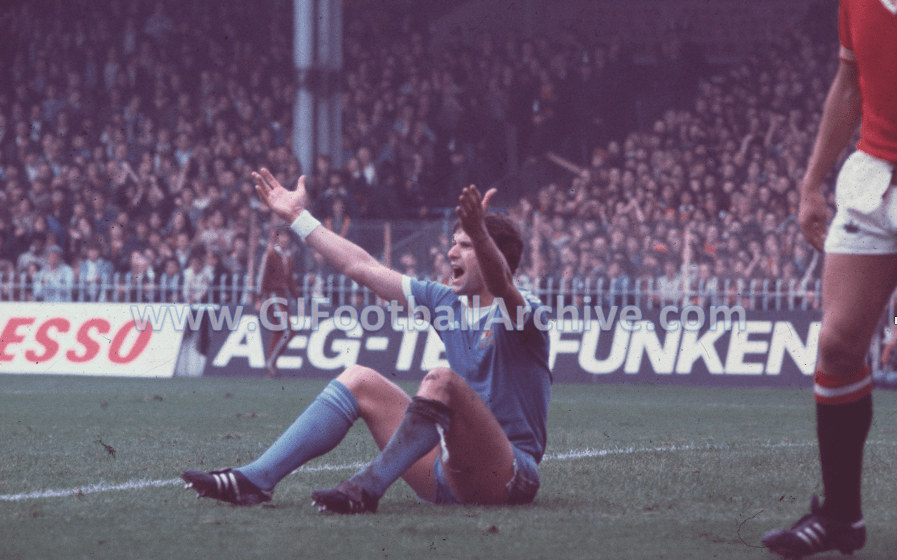
Day 6 of my posts counting down to the centenary of Maine Road’s opening game continues with another segregation image. This is a late 1970s Manchester derby image and the City player is Mike Doyle but look beyond him at the segregation and perimeter fencing. As well as the railings in front of the Kippax Stand the away section (to the right) has an additional chicken wire style temporary fence in front of the United fans.
This was a period when United fans had an extremely bad reputation for pitch invasions and crowd actions and City had been forced to install this additional netting for this derby match after consultation with the police.
The fencing didn’t last of course and so this image is extremely unusual.
If you’d like to read more on the history of Maine Road, take a look at Farewell To Maine Road, which can be downloaded from this page:
If you enjoy all the free material on my website and would like to support my research and keep this website going (but don’t want to subscribe) then why not make a one-time donation (or buy me a coffee). All support for my research is valued and welcome. It allows me to keep some free material available for all. Thanks.
Choose an amount
Or enter a custom amount
Your contribution is appreciated.
DonateMaine Road 100 – Day 61
Day 61 of my posts counting down to the centenary of Maine Road’s opening game continues from yesterday and reveals how, years before Manchester City moved to Maine Road, significant football matches were played on fields next to the road.
Yesterday I talked about Dog Kennel Lane, well today here’s a mention of Dog Kennel Lane in relation to football. Manchester Association were the city’s prominent team in the mid 1870s and early 1880s. They promoted the game extensively and subscribers can read their story here:
And here:
I explain a lot more about them in The Emergence of Footballing Cultures: Manchester 1840-1919.
The brief newspaper cutting from 1882 mentions their Dog Kennel Lane ground. On the following I show where Maine Road was later built but the Manchester ground was probably further up the road/lane towards what became Great Western Street.


If you’d like to read more on the history of Maine Road, take a look at Farewell To Maine Road, which can be downloaded from this page:
If you enjoy all the free material on my website and would like to support my research and keep this website going (but don’t want to subscribe) then why not make a one-time donation (or buy me a coffee). All support for my research is valued and welcome. It allows me to keep some free material available for all. Thanks.
Choose an amount
Or enter a custom amount
Your contribution is appreciated.
DonateManchester’s Football origins
As we now build up to the first all-Manchester FA Cup final and at a time when Manchester will, regardless of who wins, sweep up all the major domestic trophies, I think it’s worth pausing to think about the city’s earliest clubs. I’ve done lots of research over the years on Manchester’s football origins and published both books and articles about it. Some of these are free to download. So why not take a look at the following article which briefly tells the story of Hulme Athenaeum – the earliest known association football club in Manchester (and Lancashire for that matter!):
https://www.tandfonline.com/doi/full/10.1080/17460263.2013.873075
The article also talks about other Manchester clubs, most significantly Manchester AFC who paved the way for City & United.
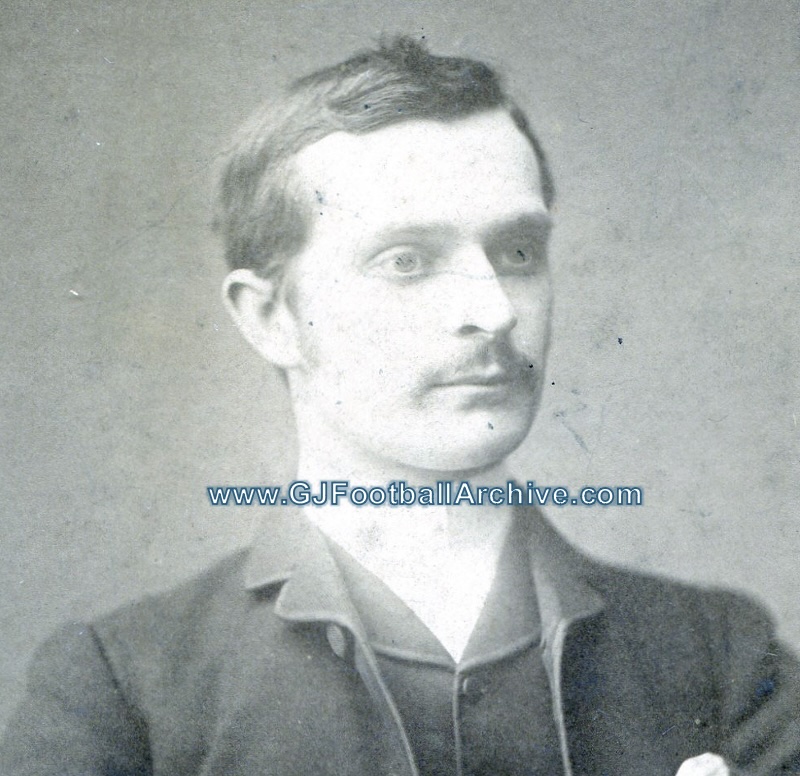
Worth noting the stuff about John Nall – the Hulme secretary and a founder of Manchester AFC. That man is often forgotten but he remained involved with football from Hulme’s formation through to his death in the late 1890s. He was present at several key moments in the formative years of Manchester City and was a key figure behind the Manchester FA. His story needs to be remembered.
Some have suggested that Hulme played rugby not football and it is fair to say that as the rules of football were developing there were many variations across the country. However, both Nall and others I’ve researched believed they were playing association football and his direct and active involvement with both the Manchester FA & the Lancashire FA proves he knew what ‘football’ was. Hulme played association football.
If you enjoy all the free material on my website and would like to support my research and keep this website going (but don’t want to subscribe) then why not make a one-time donation (or buy me a coffee). All support for my research is valued and welcome. It allows me to keep some free material available for all. Thanks.
Choose an amount
Or enter a custom amount
Your contribution is appreciated.
Donate