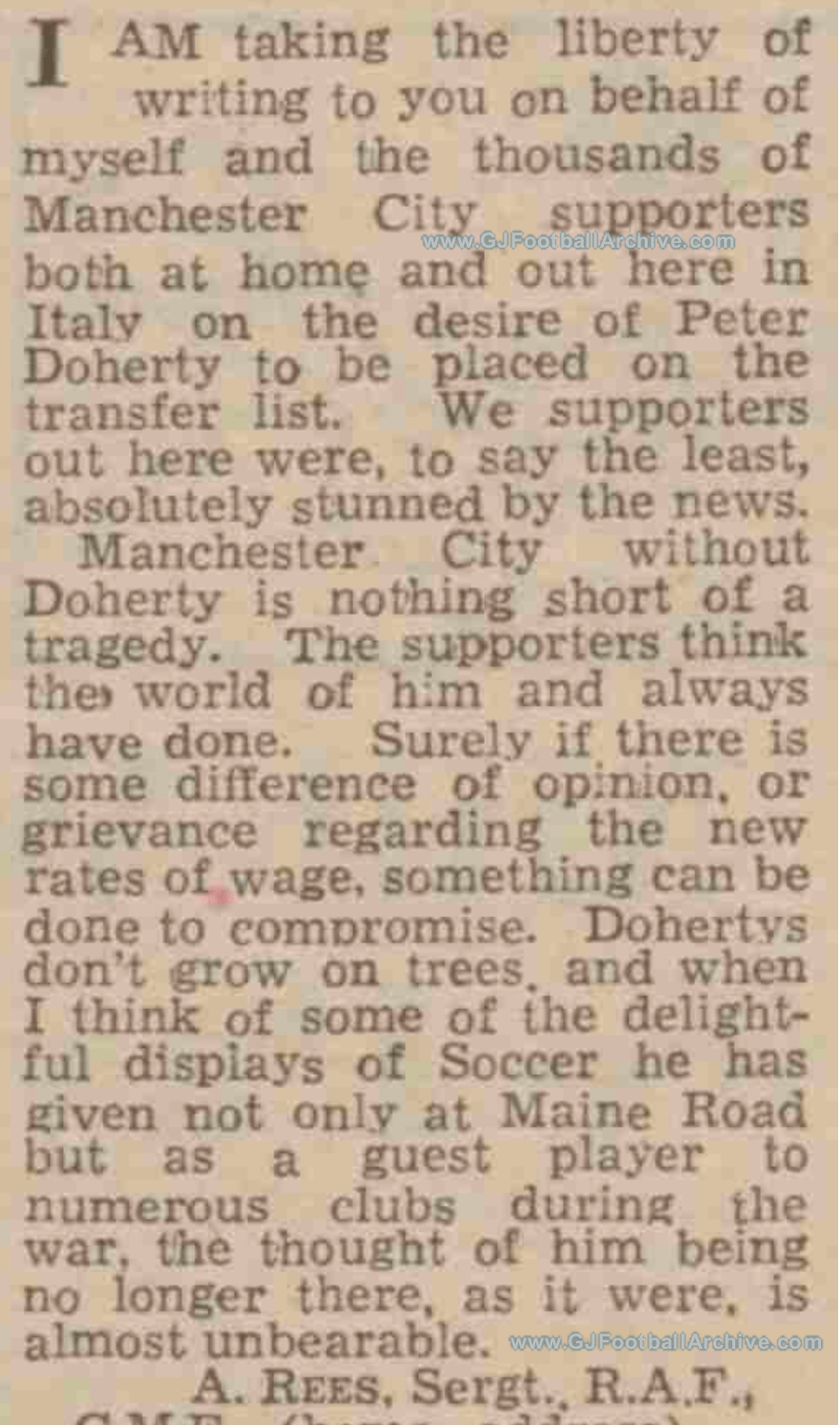
Back in September 1945 the news that Peter Doherty, a major hero to Manchester City fans (and even regarded as the greatest ever into the 60s and 70s by some fans), was greeted with some dissatisfaction amongst fans. So much so that this member of the armed forces based in Italy decided he’d write to the Manchester Evening News.
You can read more on the 1945-46 season below. This is a subscriber article and you can read it by subscribing.
Subscribe to get access
Read more of this content when you subscribe today. It costs £3 per month or you can subscriber for the discounted annual rate of £20 per year. Each subscriber gets access to everything posted so far, including PDFs of a couple of my books.
On this day (February 3) in 1990 Manchester City and Manchester United drew 1-1 at Old Trafford. The derby became remembered as the ‘Wellied It!’ derby. Here is the story of that day with quotes from an interview I did with Ian Brightwell a few years ago. He explains how the ‘Wellied It!’ phrase came about and why he said it. Enjoy….
Howard Kendall’s City arrived at Old Trafford for the return derby match on February 3 1990. So much had changed since September when Mel Machin’s City had defeated Alex Ferguson’s United 5-1 and so the game was always going to be a difficult one to call. As the Blues were now supposedly a better side it is true to say most City fans eagerly awaited this particular match. Disappointingly, United only gave City 600 seats and 4,500 terrace tickets, although even that was considerably more than in the years that followed. The eventual attendance was only 40,274 in a stadium holding a minimum of 48,000, as many disenchanted United fans stayed away.
Although there were noticeable gaps in the United sections, the paddock in front of the Main Stand appeared full of City supporters. They were later joined by Blues evacuated from the Stretford End and estimates from impartial observers suggested there were around 12,000 City fans in the 40,000 crowd.
The match was the 100th meeting in the First Division and commenced with City tearing into the Reds as they had in September. The Blues were actually two points better off than United in the League and the difference in position prompted City fans to chant “Fergie in” to annoy the home contingent… Football humour, hey?
Squandering some early chances, City looked the more composed overall but when Clarke missed a sitter some fans still muttered about Everton rejects (it had been a thing ever since Howard Kendall’s arrival and transfer of several former Evertonians to Maine Road). It wasn’t just the Evertonians who should have given City the lead; Ian Brightwell was also guilty of a shocking miss when, with Leighton off his line, the youngster feebly lobbed the ball wide. Don’t worry, he made up for it!
Against the run of play it was actually United who took the lead when Clayton Blackmore was gifted a free header. Fortunately, within five minutes Mark Ward found Brightwell who, from fully 25 yards out, blasted a stunning shot past Leighton for the equaliser. Afterwards the delighted player explained exactly how he’d scored by succinctly telling the media: “I just wellied it!” In May 2010 he remembered how the expression came about: “We totally outplayed them, but Clayton Blackmore scored even though we’d had most of the chances. I had a chance in the first half, but that’s a different story. Once they went a goal ahead you’d normally think it’s going to be difficult, but we still had a lot of chances and I felt we’d still do it. I remember that the ball was out on the right and Mark Ward sort of half-crossed it. It came to me and I’ll never forget this – I heard Steve Redmond on the half way line shout: “Bob…” I’d best not say his exact words, but let’s just say he wanted me to have a go in his strong scouse accent! It was on my left foot, which isn’t my strongest, but I did what Reddo said. It went in the top corner!
“I ran off and jumped about twenty feet in the air – or at least that’s how it looks on the photos. I remember the noise because back then the away fans used to get about 10,000 tickets at Old Trafford and it was phenomenal.
“When we came to do the post-match TV interview I was asked the usual stuff and then was asked about the goal. So I told him what I just told you, being careful not to say what Reddo actually shouted! Just as I was doing it, someone walked past and we had to do the interview again. But then the same happened again. So we had to do it a third time. By this point I thought I had to say it in a different way – inexperience I guess. I didn’t need to, but I ended up saying: ‘the ball came out to me and I just wellied it!’ It’s true I did, but now it’s the phrase that people remember. It summed it up nicely, but it wasn’t what I’d meant to say.”
The match should have brought a City victory, but everyone seemed satisfied with a point. You can watch highlights of the game here:
This is a free taster of the content on my website. If you have enjoyed it why not subscribe? It costs £20 a year (£1.67 per month) or £3 per month if paying a month at a time. You can always sign up for a month and see what you think.
There’s more on the entire 1989-90 season in this article for subscribers for example:
Subscribe to get access
Read more of this content when you subscribe today. It costs £3 per month (cancel anytime) to access everything posted since 1 October 2022 or there’s a special annual rate of £20 per year.
On this day (29 January) in 1966 Mike Summerbee scored twice as Manchester City defeated Middlesbrough 3-1. The other goal came from Neil Young (the photo is of course Neil Young in 1971 at Maine Road). 1965-66 was an important season in MCFC history and you can read more on it in the following 4100 word article. This (plus all other articles on the site) is available to subscribers (see below). As with most of the other features in this series it includes words from interviews I have performed with those who were there.
Subscribe to get access
Read more of this content when you subscribe today. It costs £3 per month (cancel anytime) or sign up for a year at the discounted price of £20 per year (works out £1.67 per month). Subscribers access the 1000+ articles posted so far and the others scheduled during the life of your subscription.
On this day (24 January) in 1966 52,661 watched at Maine Road as Manchester City defeated Blackpool 3-1 in the FA Cup with goals from Mike Doyle, Mike Summerbee and Johnny Crossan (the photo is of course of Mike Summerbee with Colin Bell and Francis Lee in October 1967). 1965-66 was an important season in MCFC history and you can read more on it in the following 4100 word article. This (plus all other articles on the site) is available to subscribers (see below). As with most of the other features in this series it includes words from interviews I have performed with those who were there.
Subscribe to get access
Read more of this content when you subscribe today. It costs £3 per month (cancel anytime) or sign up for a year at the discounted price of £20 per year (works out £1.67 per month). Subscribers access the 1000+ articles posted so far and the others scheduled during the life of your subscription.
On this day (12 January) in 1966 Manchester City defeated Rotherham 3-1 with goals from Mike Doyle (2) and Johnny Crossan (the photo is of course of Mike Doyle in the following decade at Maine Road). 1965-66 was an important season in MCFC history and you can read more on it in the following 4100 word article. This (plus all other articles on the site) is available to subscribers (see below). As with most of the other features in this series it includes words from interviews I have performed with those who were there.
Subscribe to get access
Read more of this content when you subscribe today. It costs £3 per month (cancel anytime) or sign up for a year at the discounted price of £20 per year (works out £1.67 per month). Subscribers access the 1000+ articles posted so far and the others scheduled during the life of your subscription.
Continuing the series of features on the 1960s, here’s a subscriber article on Manchester City during the 1965-66 season. This was an important season in City’s development. If you’d like to read this 4100 word article, plus all other articles on the site, then please subscribe (see below). As with most of the other features in this series it includes words from interviews I have performed with those who were there.
Subscribe to get access
Read more of this content when you subscribe today. It costs £3 per month (cancel anytime) or sign up for a year at the discounted price of £20 per year (works out £1.67 per month). Subscribers access the 1000+ articles posted so far and the others scheduled during the life of your subscription.
On this day (21 October) in 1987 Manchester City’s incredible run of 34 league games away from home without a win finally came to an end with a 4-2 win at Bradford (the first of two consecutive significant results at Bradford for the Blues). Those of us there that night will never forget the feelings of finally winning away from home.
For months we’d been hoping for a win and our travelling support seemed to increase game after game as we waited for that victory. You just had to be there and, fortunately for me, I was there on this Wednesday night in October.
It was however a tense night… Subscribers can read the story below, along with contemporary match reports.
Subscribe to get access
Read more of this content when you subscribe today.
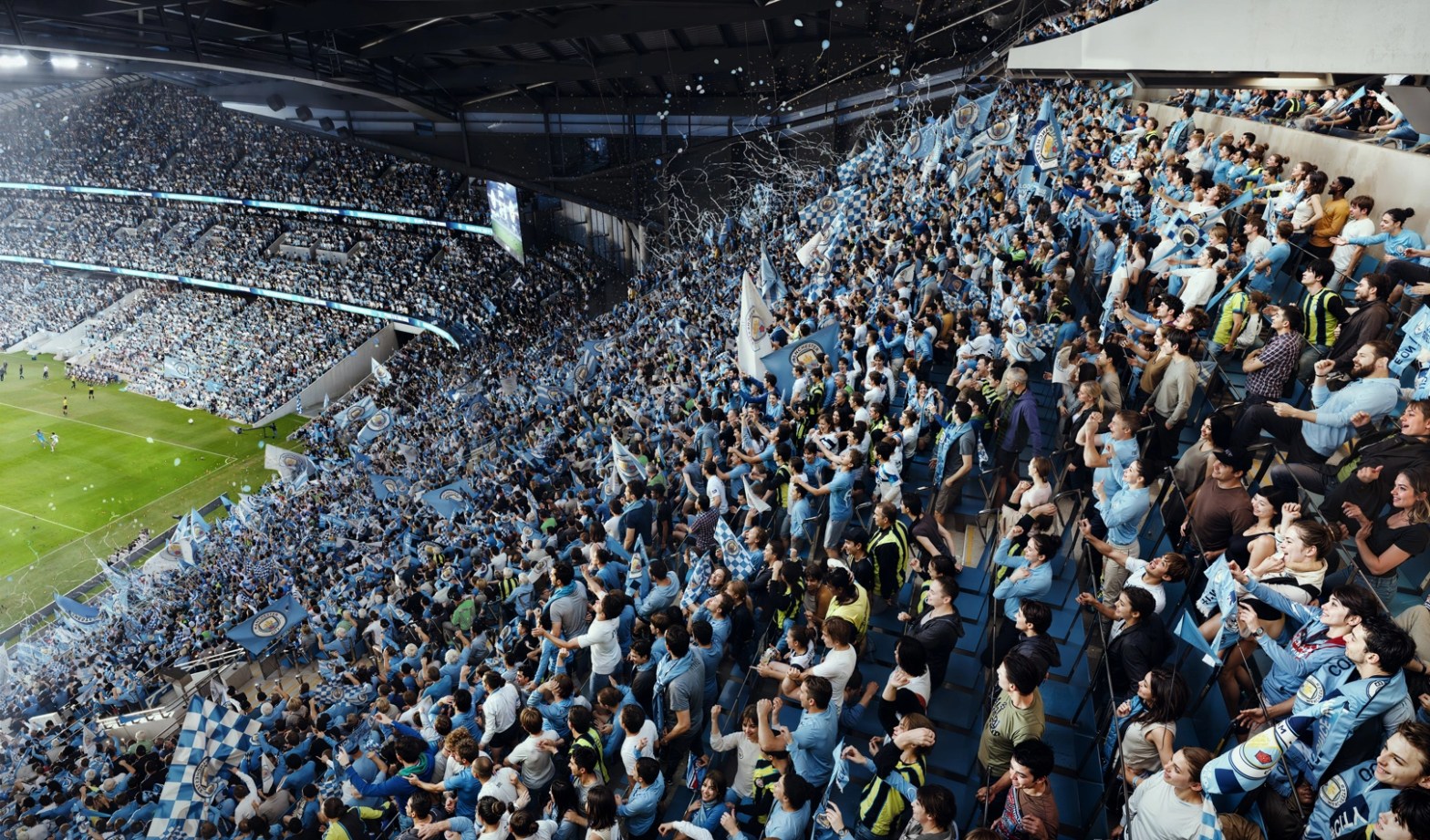
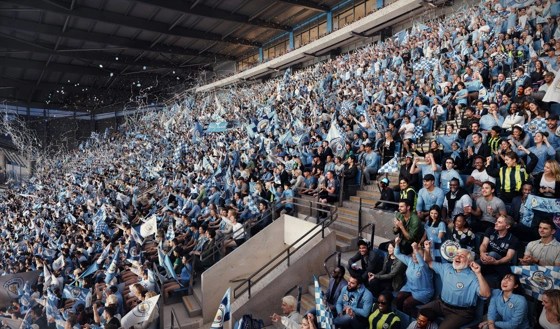
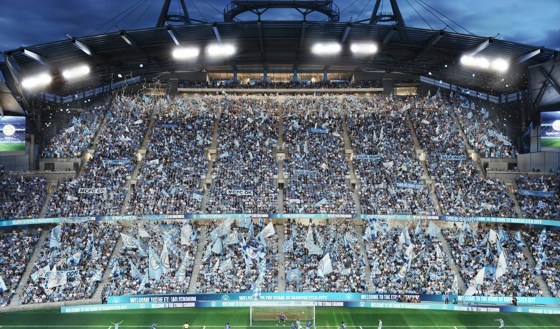
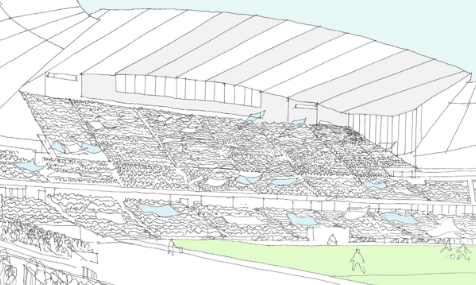
Yesterday’s release of the plans for the newly extended North Stand looked excellent. There’s a long way to go before anyone can sit or stand in the new extension of course, but it does look like it’s going to boost almost every area of support: New rail seating, an emphasis on under 21s, hospitality, families… interesting times. Looking at the images released it looks as though the new 3,000 rail seats will be at the back of the 2nd tier. If that’s the case any noise generated up there should bounce down off the roof and encourage others to join in.
If you enjoy all the free material on my website and would like to support my research and keep this website going (but don’t want to subscribe) then why not make a one-time donation (or buy me a coffee). All support for my research is valued and welcome. It allows me to keep some free material available for all. Thanks.
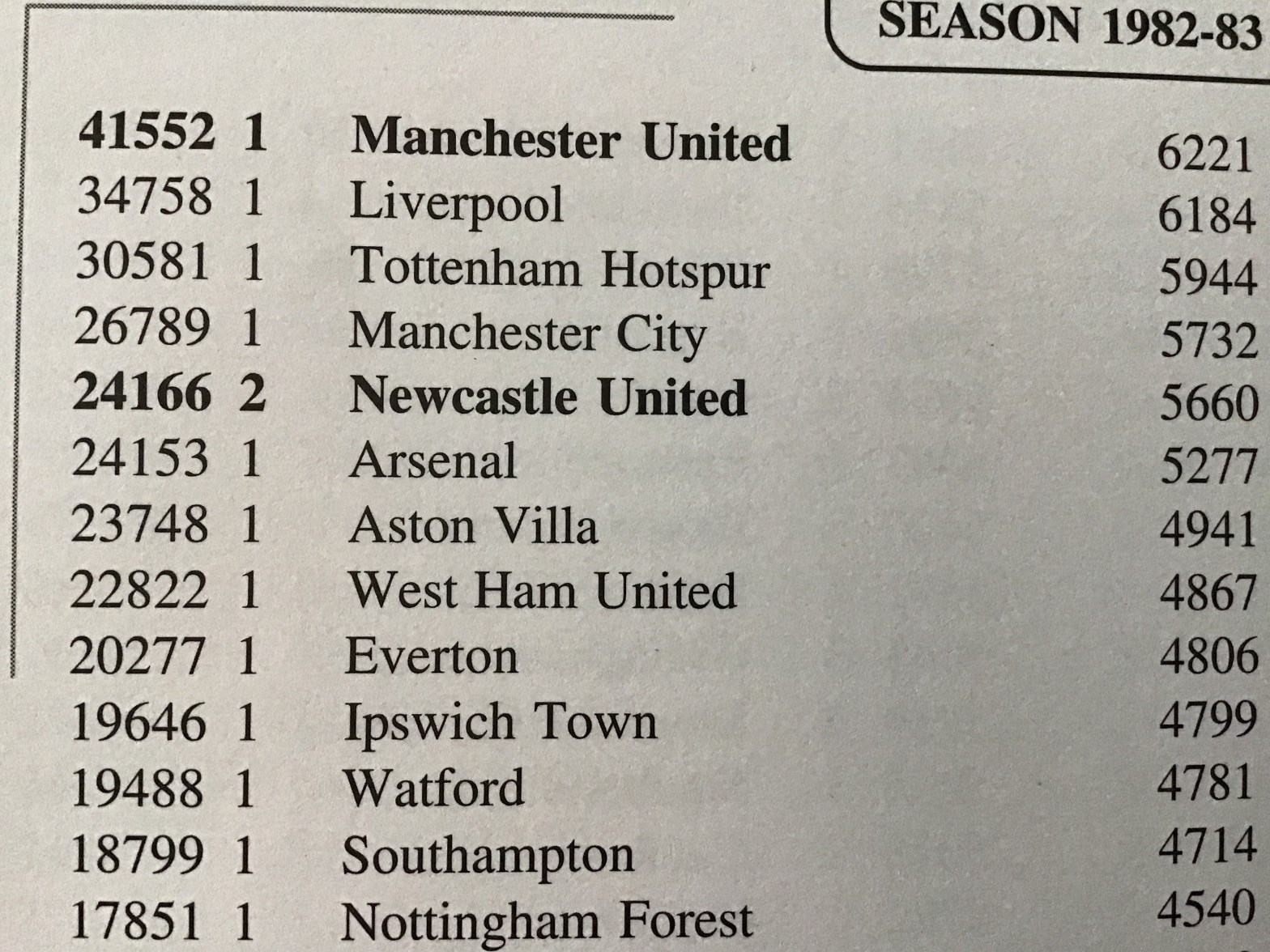
Fairly early on in the game between Manchester City and Arsenal the fans of the London club started to sing the old ‘Where were you when you were…’ chant. You’d think they’d know because often City were attracting better crowds than Arsenal. Let’s look at 1982-83 when I experienced my first relegation as a City fan. Back then City were the 4th best supported club (26,789) and Arsenal were 6th (24,153) – see the average attendance table above. City finished in a relegation position and Arsenal were 10th.
The following season Arsenal did attract a better average than City but they were the 5th best supported club in the entire 4 divisions and City were the 6th. In terms of League position Arsenal were 6th and City were 4th in Division Two.
We could talk about the late 1990s but neither club had a ground that could satisfy the demand to see them, so a sell out Maine Road in 1998-99 for third tier City has to compare with a sell out Highbury for title challenging Arsenal.
Since then stadium size has dictated average support but if we go back to earlier decades and assume that Arsenal’s ‘Where were you when you were sh*t’ refers to City heading towards relegation or being out of the top flight then City’s record is impressive overall. In 1965-66 (the last 2nd division season before the 1980s) City averaged 27,739 (10th best in entire League) while First Division Arsenal were the 9th best supported club on 29,036.
We can jump back even further. In the 1920s Arsenal were perceived as a popular club and in 1925-26 they averaged 31,471 – the 3rd best in the League. Where were City? Oh, City who were relegated that season were the 2nd best supported team with an average of almost 32,000. Not much more than Arsenal but the Gunners were 2nd in the League and City were relegated!
The year after Second Division City were the 3rd best supported club and top flight Arsenal were 4th!
1926-27 Average attendances. Manchester City in Second Division
The year after that (1927-28) Second Division City were the best supported club in the entire League with 37,468. Where were top flight Arsenal? 7th best supported with 27,434.
1927-28 Average attendances. Manchester City were the best supported club despite being in Second Division
It’s all a nonsense but if Arsenal fans, or any other team, want to sing songs like this then it would help if they knew their own history of support.
I thought I’d give this a mention again because this is likely to be something truly special. There’s a new documentary series going to be made on City and there are lots of City fans involved in the production. As part of the series the production team and MCFC are looking to find 4 generations of living Blues who can tell their stories of supporting City. They want to find fans who can be interviewed that have 4 (or more) generations of living City fans.
There are 4/5/6 generation families who have lost the earlier generations who have interesting stories I know, but the key here is that they need to be able to interview each generation. If you fit the bill and are interested then get in touch. There’s a bit more here:
You can email families@projectkippax.com if you do have 4 generations of living blues and want to be considered for the series.
They are also looking for film, video, cine camera, mobile phone footage from City over the decades. In some ways the older the better. They want to find stuff that hasn’t been seen before. Obviously, any footage must have your own copyright and not recordings from commercial media – for example, copied from YouTube or other media/social media outlets.
As I said earlier there are City fans involved in the production, some of whom have excellent reputations in the world of media production and have been dedicated match going Blues for decades. I’m also involved.





 Gary James' Football Archive