I’m delighted to say that a revised and updated edition of Manchester Corinthians: The Authorised History will be published this year. As with the first edition this book will be non-profit. Also, anyone ordering a copy now will get their name published in the book as a supporter of the project. Copies can be ordered now (see below). This promises to build further on the original book, viewed as a landmark publication. Income from the book will continue to be used to promote these remarkable women; stage events for them and capture their stories for posterity. Over fifty Corinthians were interviewed for the first edition and others have been found and interviewed for this updated version. This includes additional Corinthians from the 1940s, adding to the three founding Corinthians interviewed for the first edition. Their voices are so important to the story of this remarkable club.
I’m determined to ensure all Corinthians are remembered so please also get in touch if you’re a Corinthian who may have slipped through the net somehow.
Order before 1 May 2026 and you will get your name published within a special roll of honour within the book and it will be sent out to all subscribers on publication at the start of September 2026. This will be before it appears in any shop. Sadly, due to postage costs the book can only be posted to UK addresses. You do not need to have a PayPal account to order – use the ‘Pay with PayPal’ button below and it will give you the option to pay by credit/debit card without creating a PayPal account.
UK ONLY – Ten copies of Manchester Corinthians: The Authorised History 2nd edition (paperback)
The story of a pioneering women’s club as told to Gary James by those who were there. This is for ten paperback books at £150 (incl UK postage and packaging). Outside UK contact for additional postage costs.
£150.00
Opportunities to buy multiple copies, sponsor the book or donate exist too. Please email Gary@GJFootballArchive.com for more information on those opportunities. For those wishing to order ten copies then a special panel will be included within the book thanking you for supporting the Corinthians’ project & book, plus you’ll get ten copies for the discounted total of £150 (including UK deliver).
UK ONLY – Ten copies of Manchester Corinthians: The Authorised History 2nd edition (paperback)
The story of a pioneering women’s club as told to Gary James by those who were there. This is for ten paperback books at £150 (incl UK postage and packaging). Outside UK contact for additional postage costs.
£150.00
Note: the cover is currently being redesigned and is likely to be different to the ones shown here.
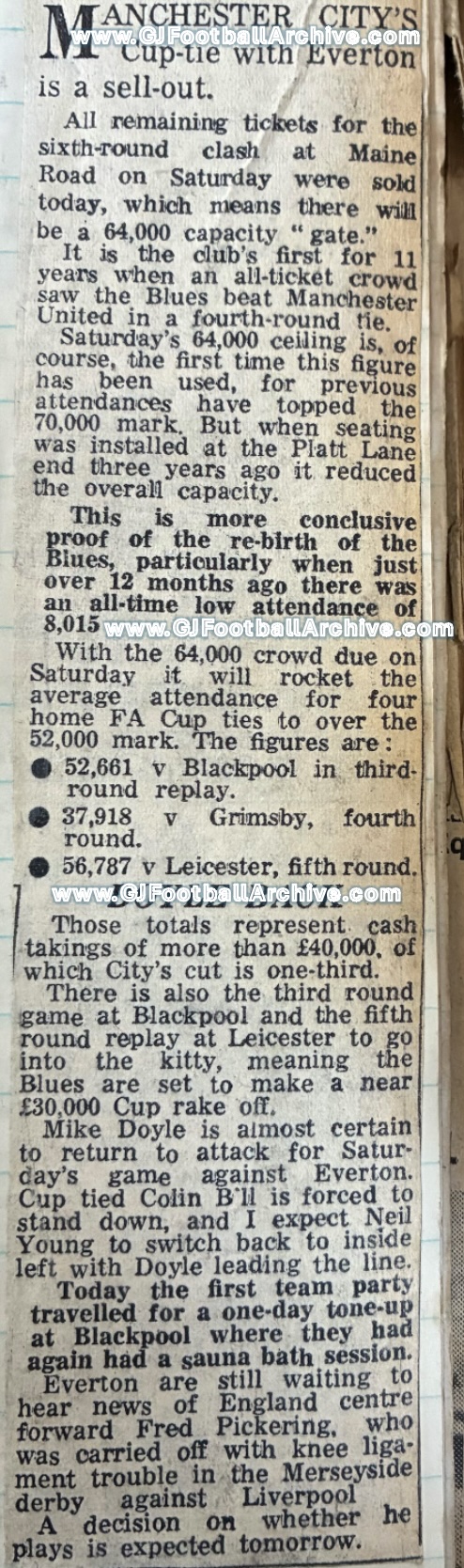
60 years ago this week (March 1966) Manchester City announced that their FA Cup quarter final was a 63,000 sell out. Why is this significant? Because the attendance was larger than any domestic crowd at Old Trafford that season, but why is that significant? Because at the start of the season United’s Pat Crerand bet City assistant manager Malcolm Allison that City would never get more than 30,000 for a game again! I interviewed Malcolm back in 1993 when we talked about this and he also mentioned it in he biography. The story…
Basically, Allison was sat at United’s League championship celebration and became somewhat frustrated by the glorification of United that night. While Joe Mercer took a diplomatic approach, afterall it was United’s celebration dinner, Allison decided to speak out. He told Matt Busby’s son Sandy that his dad had a twenty year start but ‘I’ll pass him in three’ and then Allison claimed he got into a discussion with Crerand about ‘little City’ compared to United. Allison claimed Crerand made a £10 bet with him that City would never again get 30,000+ in Maine Road.
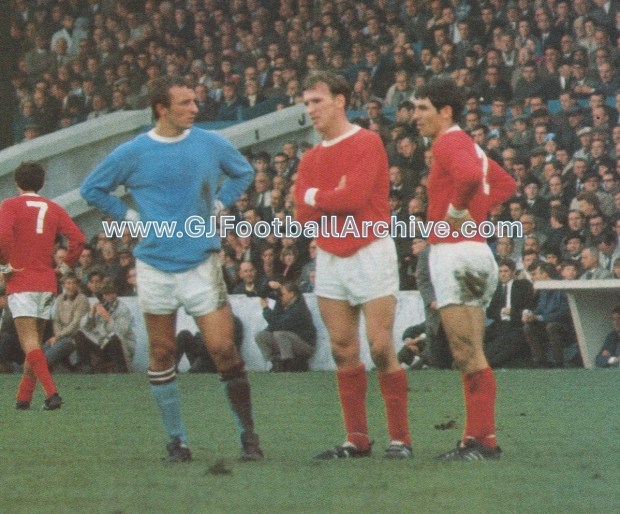
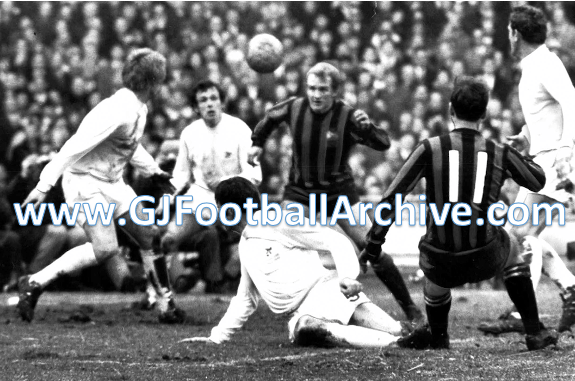
A pause in the action (September 1967 Manchester derby) gives Summerbee Crerand and Dunne an opportunity to debate the action so far (Image: The Pride of Manchester, 1991)
On a Wednesday night in October (27/10/65) City attracted 34,091 for the visit of Norwich in the Second Division. Allison told me he couldn’t remember whether he ever got his £10 but he did laugh a great deal when I told him that United’s attendance the previous Saturday was 32,716 for the top flight visit of Fulham.
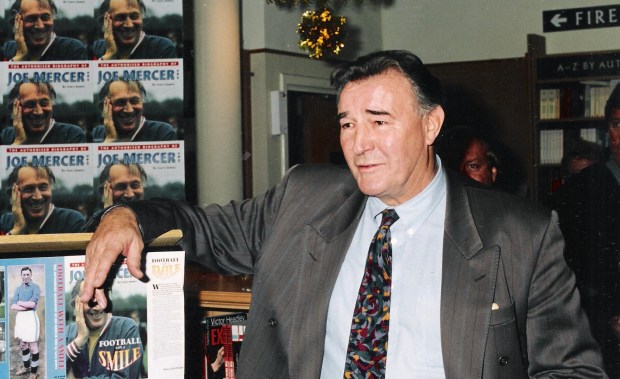
Malcolm Allison at the launch of Gary James’ Football With A Smile: The Authorised Biography of Joe Mercer, OBE in December 1993. Note Francis Lee appearing behind Allison.
What was even more remarkable was that the City-Everton FAC tie on 26 March 1966 was watched by 63,034 and that was higher than any domestic crowd at United that season. Allison laughed again when we discussed that briefly. As a comparison, United attracted 58,161 for their League game with Liverpool (lowest home League attendance 23,039 v Aston Villa) and they did get 60,433 for their FAC Cup quarter-final replay with Preston. Plus United managed to better all these attendances with 64,035 for their European Cup quarter-final with Benfica.
I did an earlier interview with Allison that can be listened to here:
If you’re new to this website there’s lots more like this elsewhere on the site. Some is available for subscribers and some is available for all. If you’d like to subscribe then see see ‘How To Subscribe’ lower down. If not why not help keep it going and support the research too:
If you enjoy all the free material on my website and would like to support my research and keep this website going (but don’t want to subscribe) then why not make a one-time donation (or buy me a coffee). All support for my research is valued and welcome. It allows me to keep some free material available for all. Thanks.
Four years ago I worked on a project for the Women’s Euros capturing the stories of women who played football in the Trafford area. This included several Corinthians and other women who played in local football. Even if you’re not particularly interested in Trafford it’d be worth having a look at this to get a feel for the stories of these players and clubs.
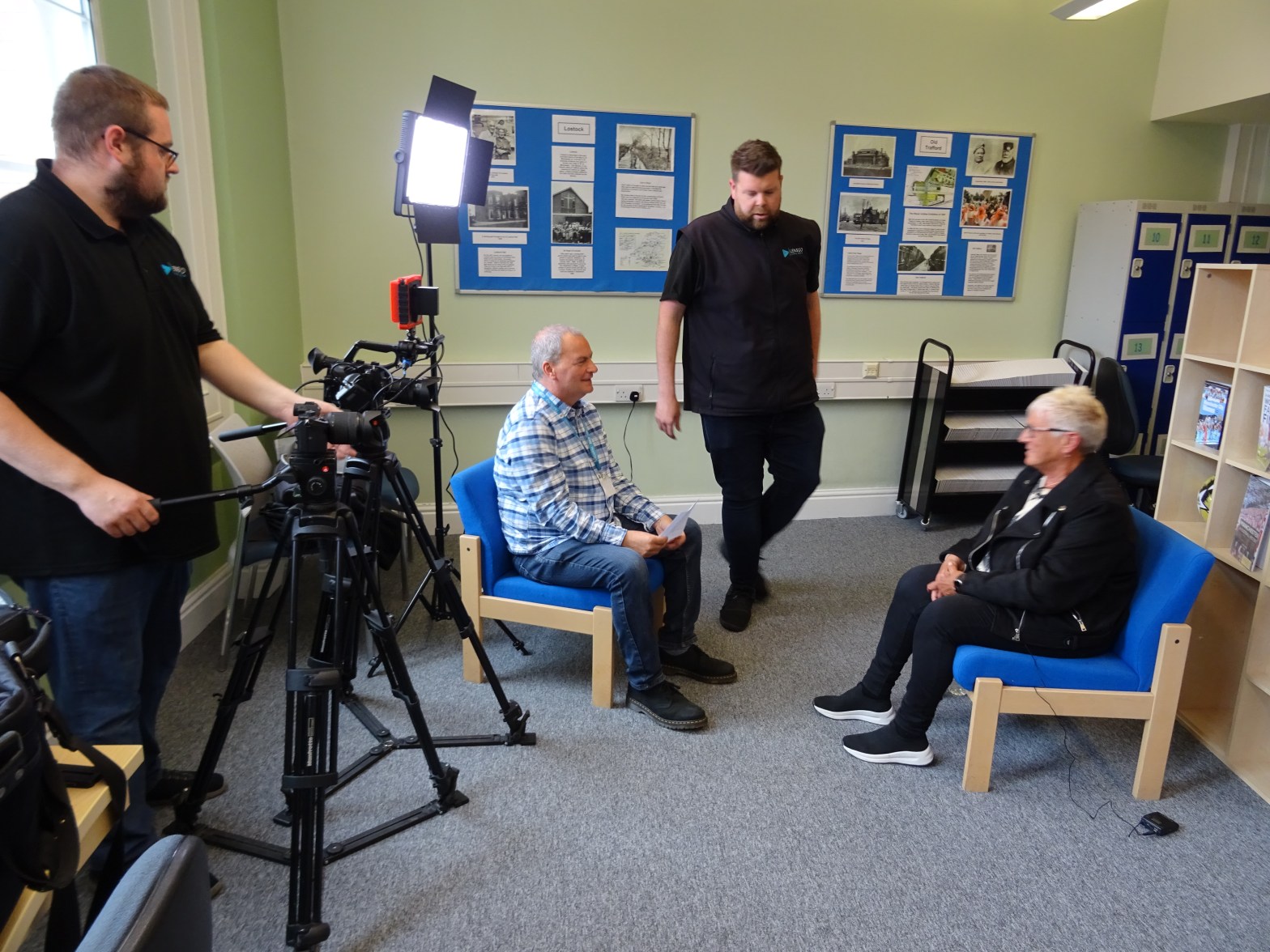
I worked on a temporary basis with Trafford to capture the stories of women, teams & more, while also staging a few events and researching the history of women’s football within Trafford. My time with the project was a great experience. I managed to interview women who played football either for Trafford based clubs or women who are from Trafford who played for teams outside the borough. There were also interviews with women who played significant games in Trafford and those videod are free to view via the name tabs to the right on the following website. This website was set up to tell the stories and we’ve posted a few of those covering teams, games & players. Take a look here at the ones posted:
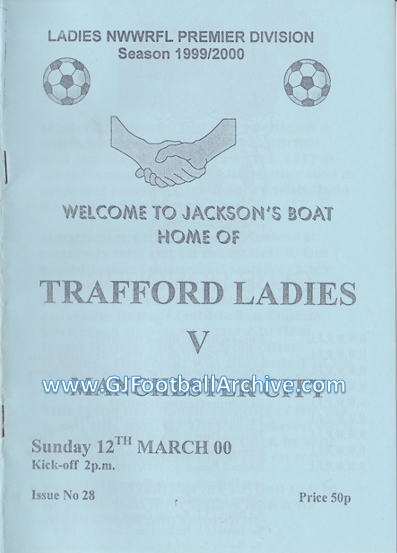
Audio interviews were performed with a variety of former players of teams such as Sale United, Trafford Ladies, Manchester Corinthians, Manchester United, Manchester City, FC Redstar, England and the Merseyside club Leasowe Pacific who won the FA Cup in 1989 at Old Trafford.
We also held a session where young girls from Sale United met with former Corinthians, City & United players to talk about their careers and compare experiences.
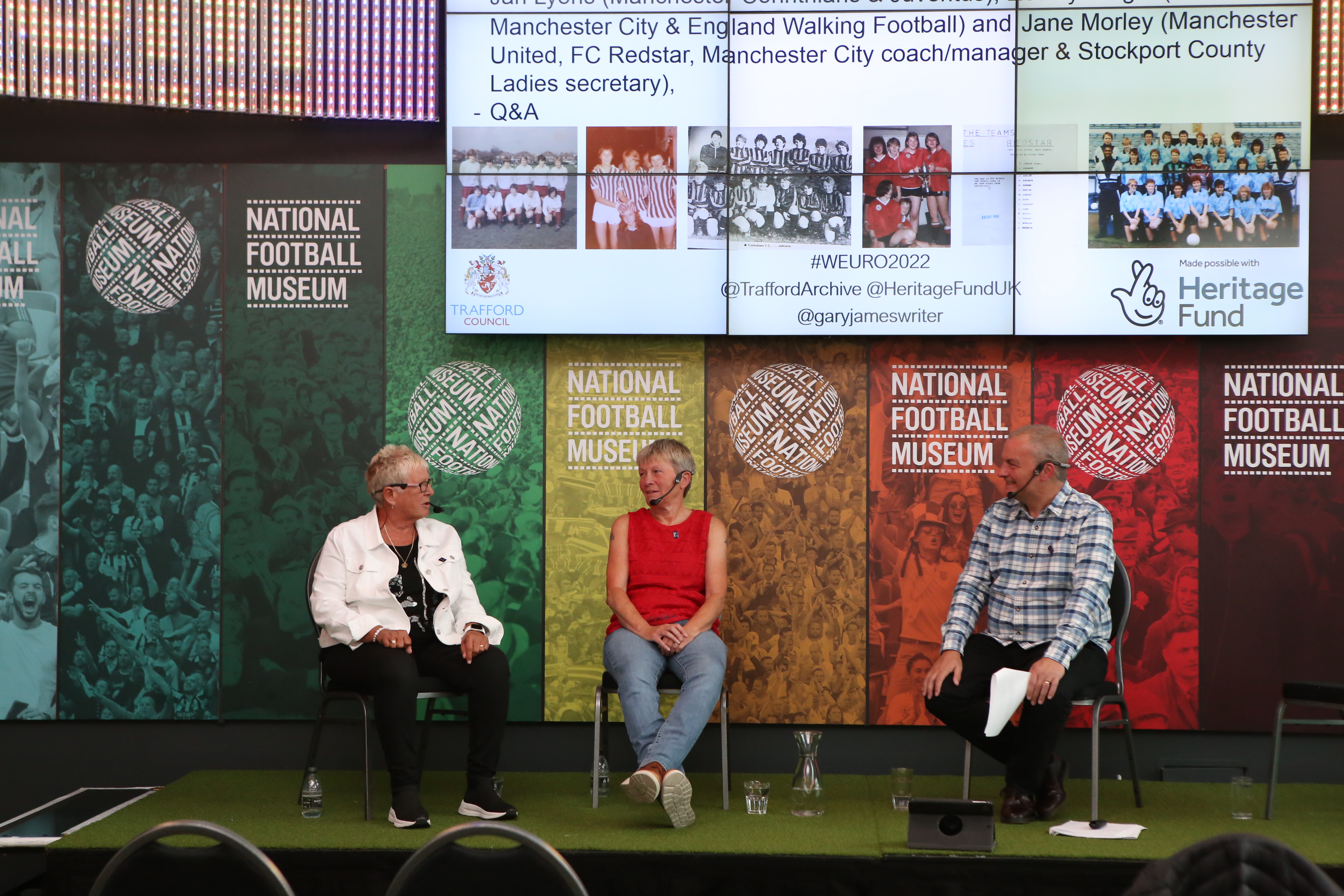
I staged a talk at the National Football Museum on the History of Women’s Football with particular emphasis on the experiences and landmark moments of Trafford & Manchester’s women footballers. Jan Lyons of Manchester Corinthians & Juventus and Lesley Wright of Manchester Corinthians & Manchester City participated in a panel discussion too with some great questions from the audience.
Photo by Rachel Adams for the UEFA Women’s EURO 2022 Arts and Heritage programme
An exhibition, including objects such as a 1958 Manchester Corinthians shirt and boots signed by Steph Houghton, was staged at the archives centre at Sale.
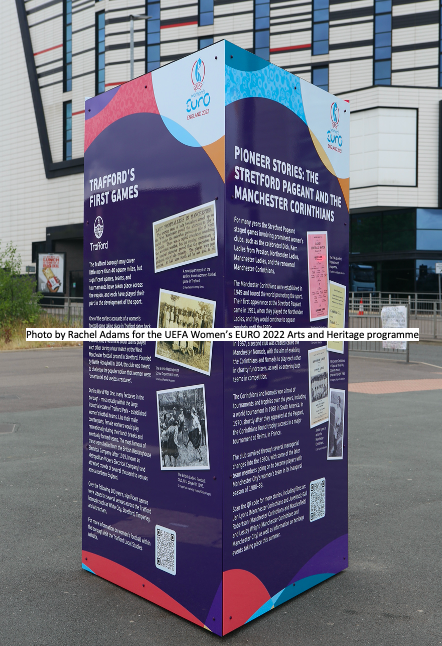
Displays around Old Trafford were also set up with the national history of women’s football appearing alongside Trafford bespoke monoliths close to Hotel Football and the Old Trafford Stadium.
Photo by Rachel Adams for the UEFA Women’s EURO 2022 Arts and Heritage programme
There were also postboxes decorated with knitted women footballers that were produced by the local knitting groups as part of the project.
Finally, I’m still capturing the stories of women’s football in Manchester as a whole and last week I did my latest interview with a Corinthian. Over 50 were interviewed for the Authorised History book and I continue to record and document their story using interviews, archival material and other research to capture the facts not the fiction of their existence.
My aim, as always, is to ensure stories of Manchester’s football history is captured for future generations.
Research by Dr Gary James led to the history of women’s football in Trafford being documented as part of the UEFA Women’s EURO 2022 Arts and Heritage programme
On this day (March 7) in 1970 Manchester City defeated West Bromwich Albion 2-1 in the League Cup final. City’s goalscorers were both grandfathers of modern day player Tommy Doyle (currently on loan to Birmingham from Wolves). They were Glyn Pardoe and Mike Doyle. Sadly both men have since passed away. As you can see below I interviewed Glyn a few times over the years, including one of my first ever interviews back in the early 1990s (it was for my biography of Joe Mercer and Glyn was a wonderful, welcoming man).
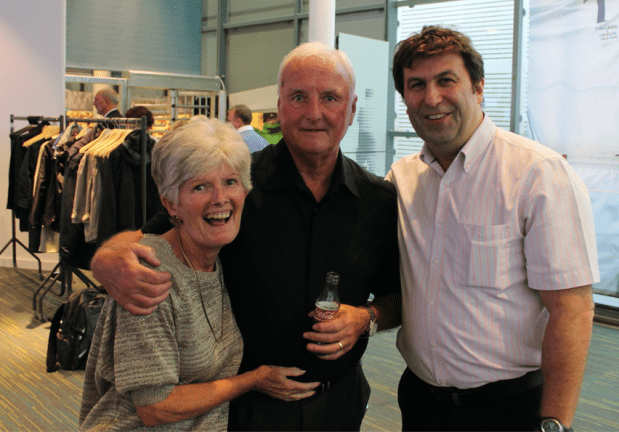
Janice Monk (former City Store), Glyn Pardoe and Steve Mackenzie at the launch of Manchester The City Years
This photo is of Glyn with Janice Monk and Steve Mackenzie at one of my book launches. Back in January 2004 I interview Glyn for my then regular Manchester City match programme series In Search of the Blues. Here is that interview as it was written up for the programme:
Glyn Pardoe holds the record for the youngest player to make his debut with the Blues. At the age of 15 years and 314 days he played in City’s 11th April 1962 meeting with Birmingham City. He went on to play throughout City’s glorious late sixties period and made a total of 374 (plus 2 as substitute) appearances.
Gary James, author of Farewell To Maine Road, caught up with Glyn to discuss his playing career and his present day activities.
Let’s start with your role today, I’m sure many of our readers will have heard you on local radio this season. Can you explain your role?
I work with Ian Cheeseman, Jimmy Wagg and the others at GMR to provide my views on what’s happening on the pitch. Part of that is actually sat next to Ian summarising, and part of it is after the match when I am one of the guys talking to callers and generally talking about City. It’s a great role and I love chatting to fans. Ian and Jimmy are nice lads as well, and the great thing for me is that I enjoy it. I love listening to supporters giving their views and I like to stress that the game is still all about opinions. It doesn’t matter what else changes, football is a great game to talk about.
How did it all come about?
You have to go back to the eighties when I was still working for the Club. Back then Ian Cheeseman was doing the Club videos of each game, while I was working with the Reserves and the Youth teams. I was asked to give my opinions of each first team game for the Club videos, and so I’d work with the Reserves in the morning, then head off up to the old commentary gantry at Maine Road for the first team.
Eventually that stopped of course, but then a few months ago I got a call from Ian. Totally out of the blue really… I didn’t ever consider I could do the same thing on radio. Ian asked if I could help for one game, so I did, then afterwards they kept asking me back.
Did you find it difficult?
At first it was hard, although I don’t think any of that came across. Unlike the old days of working on the video, I was not too familiar with every one of the first team squad, so it took some time to work out the characteristics of each player. I also have a day job of course – it’s security reception work – so that had to be taken in to consideration. Nevertheless, it has been a great experience and I do enjoy doing it.
Going back to your early career, making your debut at such an early age must have been a shock?
Well you’d think so, and I’m sure it was, but I did actually get to find out a few days before, so that helped. If I’d have found out on the morning I don’t know how I’d have coped. I don’t think I ever thought about my age. I’m sure others did, but to me it was just a great opportunity.
Your debut came against Birmingham in 1962. Do you remember much about the game?
Not really, except we lost 4-1 at home and I was up against a tough centre-half called Trevor Smith. I wore the number nine shirt for that game – I later played in almost every position! I don’t think I did a great deal, but I know I kept my place for the next 3 games.
These were not particularly good days as far as fans were concerned, but how did it feel to be a player during those first few years of your career?
The great side of the 1950s had disintegrated really. We still had a few of the players in the side like Trautmann and Hayes, but the rest of the side was mainly youngsters finding their feet. It was difficult because there was a general air of despondency. We’d go to places like Blackburn and expect to win. We’d take the lead, but end up losing 4-1 (1st May 1963) and I think that said it all. We didn’t know how to win matches. At the time I knew nothing else really, but when you do start to find success you suddenly realise how bleak the atmosphere inside the Club had been just a couple of seasons earlier.
Because you made your debut at such an early age did you think ‘this is it, I’ve made it’?
Not a chance! They’d never have allowed me to think like that anyway. I remember playing on the Saturday, and then walking up to the ground on the Monday and having to knock to be allowed in. As far as everybody was concerned I was a Reserve – or even a youth player I suppose – not a first teamer. You never actually ‘made it’ until you were a first team regular and even then you could never be complacent. Even when we were winning all the trophies there was a very real fear that your contract would not be renewed. I remember worrying each summer, thinking that I’d be forced to move on.
In those days the Club had total control and as a player you were simply glad to be there. We’ve gone to the other extreme now, but for me I don’t think I ever felt I’d made it. Even when we were the most successful side in the Country.
How do you feel the mid-sixties transformation of the Club’s fortunes came about?
Joe Mercer and Malcolm Allison came in. That’s it really. I remember when the Club was at its lowest and we had no hope, ambition, or direction and as a player you really worried about where we were heading and who the new guy might be. I was still only about 18 and had no idea how it would all pan out of course. Then Joe arrived, followed by Malcolm, and everything started to improve. Training improved considerably and so you started to realise how football could be improved and enjoyed.
What were your first impressions of Mercer & Allison?
Joe was a very respectable figure. We knew what he’d achieved as a player and he had a great approach. He was quiet but very supportive. A real calming influence. Lovely.
My first impression of Malcolm – remember I was still only a lad – was that he was very loud. He liked to shout a lot! Naturally, I got used to that, but at first it was a bit of a shock. Malcolm was a terrific coach and we all learnt so much from him. He was fantastic once you got to know him, and together they both turned us into a great side.
In the 1965-6 promotion season I only missed the opening game, so it was their arrival which made me a regular first teamer. I’d had good runs before that of course, but once they arrived I hardly missed a match, and enjoyed the successes.
The 1970 League Cup Final saw you score the winning goal 12 minutes into extra-time – presumably a great moment?
Fantastic! It’s always a great feeling when you score, but when you score in a cup final it’s tremendous. A truly great memory.
Not too long after that you suffered with a serious leg injury sustained in the Manchester derby. Did you realise how bad it was at the time?
I knew very little at the time. It was the December 1970 game at Old Trafford and there was a collision between me and George Best. Apparently I broke my leg and an artery was trapped, but I have no memory of what followed. I’ve been told that I was within twenty minutes of losing my leg. They had decided that removing my leg would save my life, but fortunately the operation they eventually did meant that my leg was saved as well. I was in a daze for at least four or five hours and really have no idea of the worry my family and friends went through.
You were only 24 when the injury occurred, and it was a long struggle back to fitness after that wasn’t it?
I missed the rest of that season, all the next, and didn’t play again in the first team until November 1972. Even then my appearances were limited. I managed 32 League appearances during 1973-4 and played in the League Cup Final with Wolves, but my career was really over.
Even now I still haven’t got full movement back, but I do feel fortunate that I am still alive and I still have my leg.
Personally, considering your age at the time I feel the blow you suffered was equal if not greater than the tragedy suffered by Paul Lake and by Colin Bell. Presumably you regard it as your worst moment?
I don’t like thinking about worst moments. Football was all about enjoyment to me. I feel very lucky to have been in such a successful side, and to play during a great period. Not many people are given the opportunity in the first place, so it all has to be great.
Which players were you closest with during your career?
Alan Oakes is my cousin of course, so I’d been playing with him since I was very young. The two of us, plus Mike Doyle and Colin Bell were known as the Big Four because we were always together. We played golf a lot and so were always seen together, but the whole of the playing staff was close in those days. We had a great team spirit.
After your playing days finished you continued to work with the Club. Did you enjoy that period?
I worked with the youth sides, and winning the Youth Cup against United in 1986 was a great moment. The lads had so much enthusiasm – Paul Moulden, Paul Lake, Steve Redmond, Andy Hinchcliffe, Ian Brightwell and the others. That gave me great satisfaction but people forget that we came close to winning it again three years later. Watford beat us in the final, but that side contained players like Neil Lennon, Ged Taggart and Ashley Ward. To think that so many of the players from those two sides went on to play international football or make a name for themselves at other clubs makes you appreciate the quality we had at the time. Those kids had ability, and it brought me and the others a lot of satisfaction.
Finally, how did the fans treat you during your time at the Club?
Always great. They were very supportive – even when we were struggling at the start of my career. They gave me fantastic treatment throughout my career, and I still enjoy meeting and talking with them today.
Here’s film of that 1970 final:
A reminder that you can still watch my 1 hour plus talk on Manchester City crowds, support, chants and Maine Road here. It’s free to watch:
I’m keen to hear thoughts on the idea of doing other talks like this for subscribers to my site. If you’re interested then please get in touch and let me know what you’d like me to talk on. I have quite a few ideas I’m keen to do and am also open to suggestions. Thanks.
If you enjoy the talk then please subscribe to my site. I am a self employed historian and spend all my working week writing, researching and publishing my work. I am not an employee of any organisation (I know some think I’m employed by a football club but I’m not an employee of any club). I am independent of any organisation and care passionately about the quality and accuracy of my work.
A limited amount of content will always be free for anyone to read but those subscribing will have access to everything on this site for as long as they subscribe. For subscribers I guarantee to post a minimum of 4 articles alongside adding material from my archives each month (in practice it’s been much more than this!). To subscribe costs £3 a month or £20 a year (a reminder that the 2010 edition of Manchester A Football History cost £24.95 when published and is now out of print but available to subscribers as a downloadable pdf as part of their subscription.).
If you’re uncertain whether to subscribe or not then why not subscribe for a month at £3 and see if you’re getting value for money. The £20 annual subscription works out about £1.67 a month for a guaranteed 4 new articles per month and access to everything else posted in the archive.
You can subscribe here:
Subscribe to get access
Read everything on this website when you subscribe today.
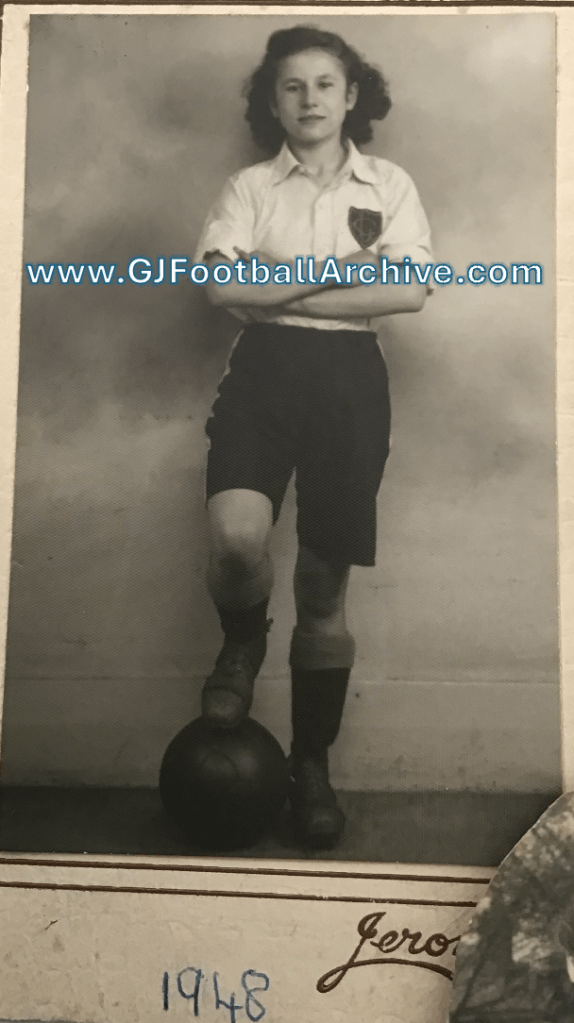
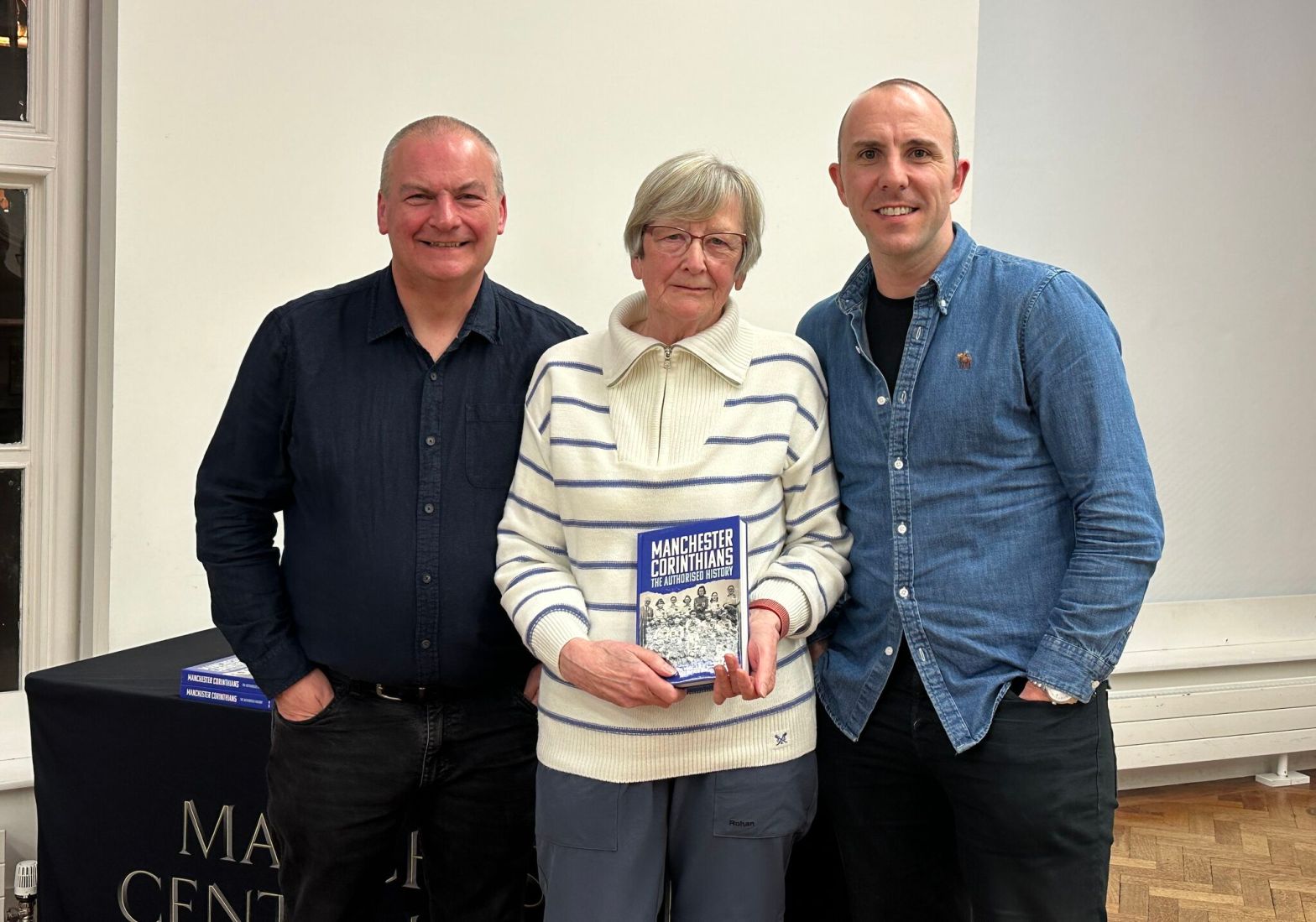
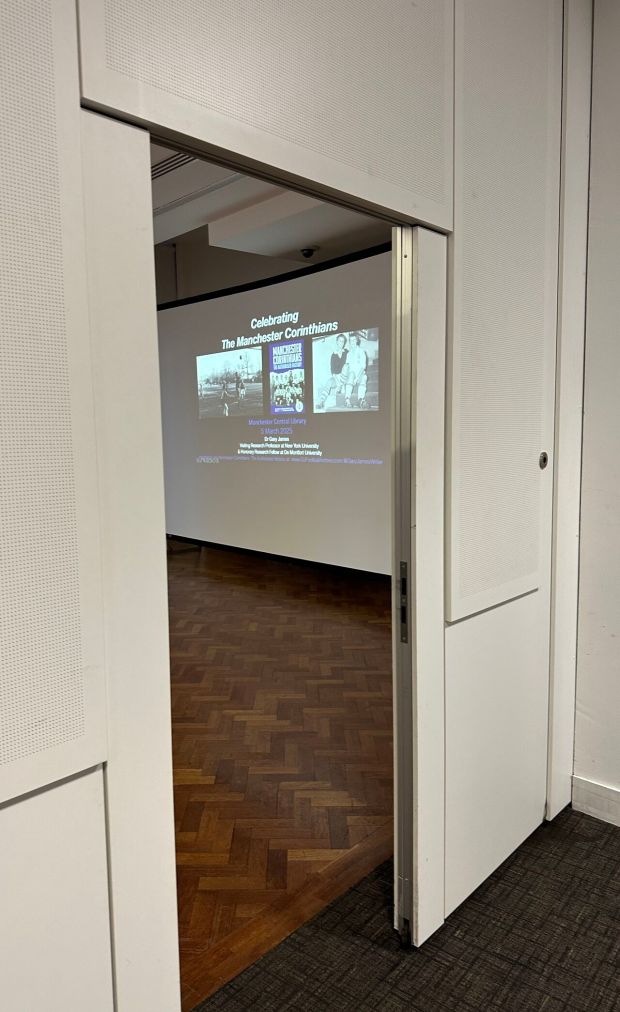
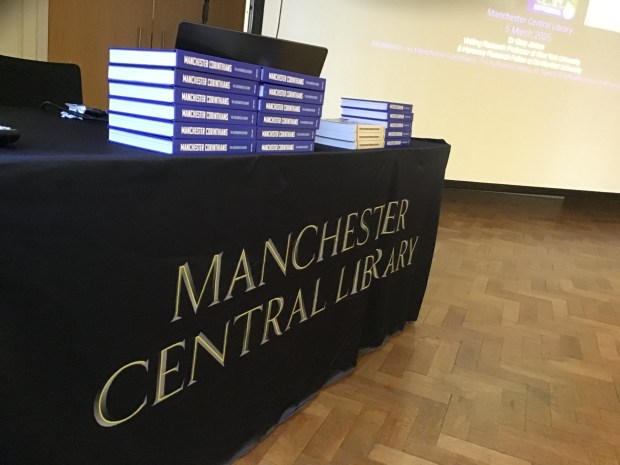
For International Women’s Day last year I staged a talk on this date (5 March) last year on the Manchester Corinthians at Manchester Central Library. It was a great night and wonderful once again to hear so many interested in the story. The addition of Corinthians in the audience added to the event. They truly are remarkable women and there are so many angles to this wonderful football team that toured the globe between 1948 (yes, 1948 and not 1949 as often reported) and 1992. This talk was one of many events I’ve performed over the last decade or so in which I discuss the Corinthians. You can find details about some of the others elsewhere on the site. For those who want to find out more…
Firstly, Manchester Corinthians: The Authorised History. This non profit book (every penny is used to stage events for the Corinthians and to further fund talks etc.) is a must for anyone interested in Manchester or women’s football and consists of 356 pages. It is illustrated throughout and you can order it now for £25 (including UK postage and packaging).
If you live outside the UK then please contact for details of additional postage costs.
You do not need to have a PayPal account to order – use the ‘Pay with PayPal’ button above and it will give you the option to pay by credit/debit card without creating a PayPal account.
UK ONLY – Manchester Corinthians: The Authorised History
The story of a pioneering women’s club as told to Gary James by those who were there. This will be published in late December 2024. This is UK only at £25 (incl UK postage and packaging). Outside UK contact for additional postage costs.
£25.00
Next, here’s the wonderful 18 minute film put together by Imprint Films on the Corinthians. It includes brief interviews with a small group of the women I interviewed (I’ve interviewed over 50 Corinthians for the book and self funded project, including three women who played in the first season of 1948-49) plus I help to explain why they are so significant.
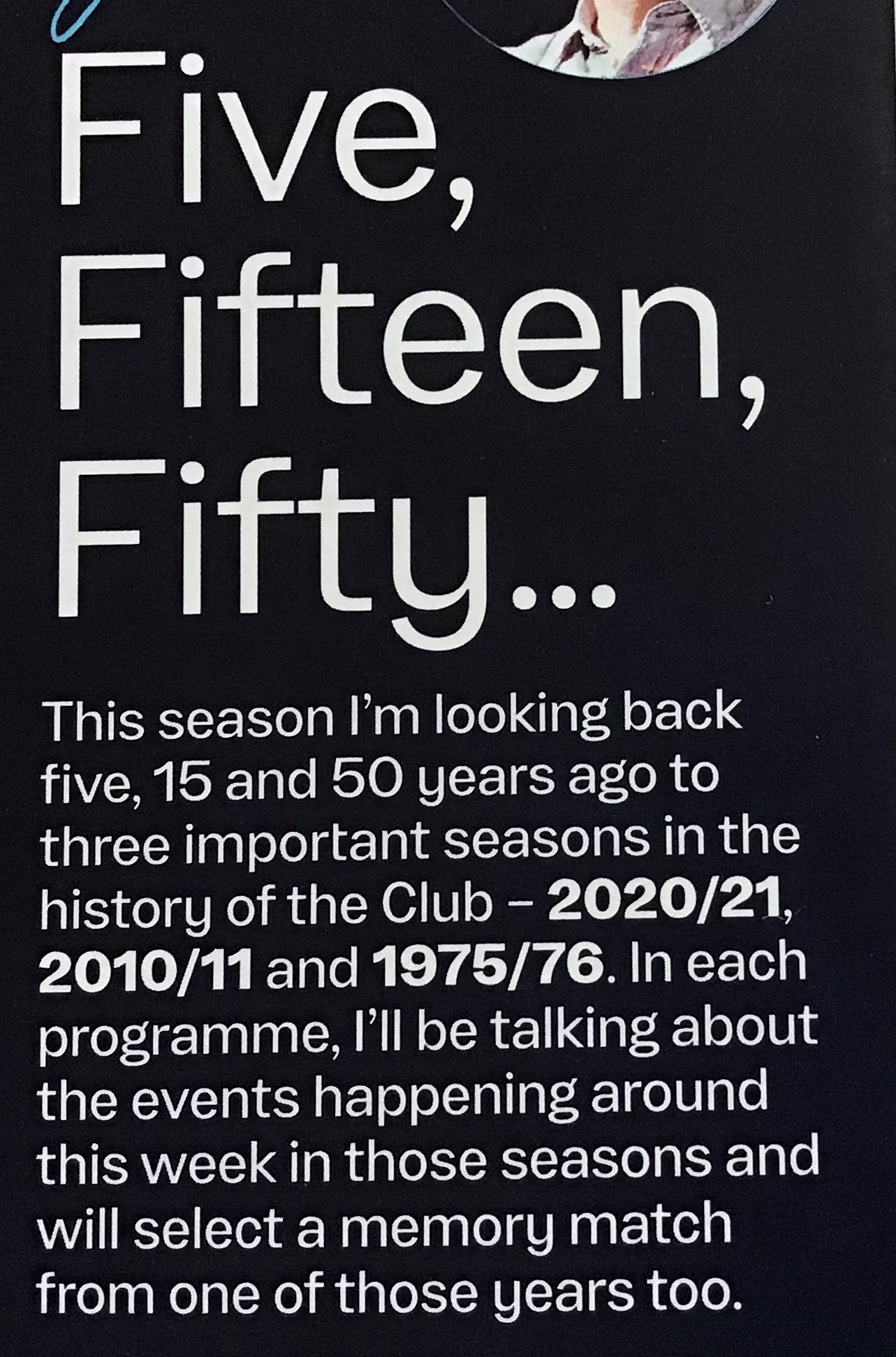
If you’re lucky enough to get tonight’s match programme look out for my tracker feature. It covers 3 seasons (‘Five, Fifteen & Fifty Years’ ago) and tracks them game by game. Coincidentally (well not quite; I did plan it a little) tonight’s features takes the 1975-76 season to the League Cup final v Newcastle. It also covers the game that followed when, amazingly, Denis Tueart netted another overhead goal which, according to many, was even better than his Wembley effort.
Hopefully everybody will enjoy the article tonight.
Here’s a link to articles about City & Newcastle on this site:
I did several interviews about Manchester’s early football history a decade or so ago. Most of these seemed to revolve around the story of Hulme Athenaeum. This is one of those interviews which I hope subscribers will be interested in. Sadly, I cannot recognise which radio station I did this interview for, nor can I find the exact date I did it (I’m guessing it was about 2015).
I hope subscribers enjoy it. If you do I’ll post more like this over the coming months. I’ve lots of interviews (of me and by me interviewing fans, players, managers etc.) which I’d like subscribers to listen to – if they enjoy them of course!
Anyway, here goes…
Subscribe to get access
If you would like to listen to this interview or would like to read the in-depth articles on this site then please subscribe. It works out about £1.67 a month if you take out an annual subscription (£20 per year) or £3 a month if you’d like to sign up for a month at a time. Each subscriber gets full access to everything posted so far. This website was extablished in December 2020.
As promised yesterday, here for the next 24 hours (9 February 2026 noon to 10 February 2026 noon) is a video of my presentation on the origins of Manchester City FC, focusing on St Mark’s & the club’s development prior to its re-birth as Ardwick AFC for you to enjoy. It lasts about 1 hour and was recorded on 1 February 2023. There are lots of myths out there, but I focused on the facts and my latest research:
Subscribe to get access
This is no longer available as a free download but subscribers to this site can still view it. It costs £3 per month (cancel anytime) or sign up for a year at a discounted rate of £20. Why not sign up on a monthly basis and see what you think?
Discover the role William Chew (that’s right William!) played in the birth of the club and the story of Belle Vue Rangers, an often overlooked part of Manchester City history.
The presentation was filmed on 1 February 2023 and is all about the origins prior to 1887. This talk is available for 24 hours and then will be available to subscribers (see below for details of how to subscribe).
If you enjoyed that then the next one in the series is available for subscribers here:
Annual subscribers get access to everything posted since December 2020 (interviews, history talks, articles, PDFs of books etc.) and everything to be posted during your subscription. It costs £20 a year (about 5p a day).
Monthly subscribers get access to everything posted since 1 October 2022 and everything to be posted during your subscription. It costs £3 a month (cancel any time).
It’s now almost 40 years since I first started detailed research into the history of Manchester City and its origins, and it’s an area that is still fascinating. I still keep being asked about the origins of Manchester City, particularly the period prior to 1894 and I love the fact so many are interested in the steps that led to the establishment of what has become a major, global footballing power. I’ve posted much about those early years on this site but I know it’s often in a scattered style making it difficult to find, so here for those interested, are links to past articles on key figures and moments in the St Mark’s, West Gorton, Gorton AFC, Ardwick & associated clubs’ history. Tomorrow from noon for 24 hours I’ll be giving free access to a video I did a while back on the origins (details of the video lower down this page).
Firstly, the earliest known game (note: not necessarily the first game!):
Walter Chew, a man occasionally described as ‘The Father of Manchester City’ (though he himself tells a different story and in a 1920s interview told his eye witness story of who the actual founder was):
A man every Blue should know about, Lawrence Furniss. A player with Gorton, Ardwick secretary-manager, MCFC director, chairman responsible for move to Maine Road, Life President when City won the title in 1937. He saw it all and was involved from the 1880s through to 1940s when he died:
The facts not the fiction…. There are so many myths, assumptions, exaggerations etc. doing the rounds so hopefully this piece I wrote a few years back helps to explain:
On 1 February 2023 I performed an online talk on the latest research into the origins of City, focusing on the period prior to 1887 when the club was based in the West Gorton and Gorton areas. Tomorrow from noon I’ll post this for all to see for free for 24 hours, but if you can’t wait or miss it then it is already available here for subscribers to the site:
There are still many gaps in our knowledge even though material has been rediscovered in recent years. There are some things we won’t know but over the coming weeks I’ll post more on the early years. Some will be available to all, some to subscribers but I’m sure there’ll be lots out there to enjoy.
In the meantime why not search the website or use the tags to see articles on the period prior to 1894. Every season of the 1890s for example has a detailed article written about it while individual games, players and related stories are also included within the thousands of posts on this site. Here’s a link to the 1890-91 season for example:
The origins of Manchester City, like many other clubs, have been misunderstood or incorrectly reported over the years and there are many areas of ongoing research that will fill the gaps over the coming years. It takes time and effort to research at the level needed. When I first started researching there were some stories that had been passed down for years that have since been challenged and corrected but there are many other areas to reflect on. There are, of course, many other areas where further research is still needed.
For years I’ve worked with a variety of people on the origins of City (one of the key elements of my PhD research was on the origins of men’s and women’s football in Manchester and my research into this continues). In the 2010s MCFC set up a research group called Project Blue which I willingly helped and explained the myths that exist and what we still don’t know. The following slide was part of a lengthy presentation I performed on 14 December 2011 on that where I explained how we got where we were at the time and those who had worked together on uncovering the club’s early history.
One of my slides presented to the history research group Project Blue on research into Manchester City’s origins on 14 December 2011
I was always grateful to Dennis Chapman, John Maddocks and Ray Goble who welcomed me into their ‘club’ of research and others, such as Dave Masey who, like me, was a member of the Association of Football Statisticians. Dave continues to help my research. Thanks to these guys and others when I was starting out I have tried to ensure I help and support others researching. The more we research and share, the greater our collective knowledge.
There is still much to be done and sadly lots we will never know.
Whatever research is uncovered over the coming years one thing is clear and that is the history and origins of Manchester City are wrapped up in community initiatives and a desire by some to use football as a positive, community building enterprise. People like William Sumner, Walter & William Chew, Lawrence Furniss and Joshua Parlby should always be remembered for their part in the formative years of football in our city.
There is much research still to be done. If you’d like to support this research then please subscribe to the site and you’ll have access to hundreds of articles, interviews, talks etc. You could join for a month and see what you think.
Subscribe to get access – Annual
To support the site and have access to everything posted costs £20 a year (about £1.67 a month) or £3 to subscribe a month at a time (see below).
Monthly subscribers access everything posted since 1 October 2022 and can cancel anytime. All subscribers access everything posted during their subscription too.
If you enjoy all the free material on my website and would like to support my research and keep this website going (but don’t want to subscribe) then why not make a one-time donation (or buy me a coffee). All support for my research is valued and welcome. It allows me to keep some free material available for all. Thanks.
Four years ago yesterday this website was launched and since then over 2,300 articles/features/posts have been made. I hope they’ve been of interest. I’d particularly like to say ‘Thanks’ to all those people who have subscribed or donated to keep the site operational. It really is appreciated. It seems like an appropriate time to talk about why I created the site and what it offers.
First – why? For several years people kept asking me when I’d be doing my own blog and over the years I’ve always been pleased with the responses to my guest appearances on podcasts, vlogs and blogs. The feedback has been excellent but I’ve always had so much more to say. I care passionately about ensuring football’s history is properly researched & recorded and feel there’s always a place for detailed, quality research.
The idea of creating this site came because I wanted to create new content, based on the research I’ve performed over the decades, while also setting up an archive of my past work. Much of my writing is now out of print and it matters enormously to me that books like my first one, From Maine Men to Banana Citizens, and my detailed Manchester A Football History should be available (annual subscribers can access both these out of print books). Other out of print material has followed as well. In addition, exclusive audio interviews with John Bond, Malcolm Allison, George Graham and others are also stored here for subscribers to listen to.
I am a self employed historian and spend all my working week writing, researching and publishing my work. I am not an employee of any organisation (I know some think I’m employed by a football club but I’m not an employee nor am I an official club historian of any club). I have worked with (and continue to when asked) both Manchester City and United, Liverpool, Leicester and others.
I am independent of any organisation and care passionately about the quality and accuracy of my work. As so much of my writing is out of print I am keen to continue to develop this archive for my work and add to it as time goes by. I’ve been running it for four years now and 1000s of articles have now been posted. In fact I’ve been trying to post at least 1 a day now for over a year.
Next – So what is my football archive? It is a place where I write new stuff and post some of my earlier works. You can use the search and category functions to see what’s been posted over these last few years, but the site includes material, interviews, profiles, past articles, book sections, written and audio interviews and more. Some of this material was written some time ago or is based on interviews performed many years ago (including interviews with players who have since died). Most of the material posted so far is connected with Manchester City’s men’s team and the Manchester Corinthians’ women’s team but there are articles of interest to Manchester United; followers of women’s football and other teams, including England. Further articles on all Manchester’s clubs will feature over time.
Some articles are free to download but much material is available to subscribers only. As mentioned earlier, my research and writing is something I strive hard to ensure is of quality. No one employs me to research but my commitment to those who read my work is that I will always seek to maintain the highest standards. I am eternally grateful to those who purchase my books or subscribe to my work.
To see what articles have already been published go to the search page (using the links under the banner at the top of this page) and either search on a key word or have a look at the categories listed there.
Next – when? There are already over 2,300 posts/articles live and this will continue to increase. Over time I hope to have several books (as well as those already posted) available in this archive. I’m keen to hear from subscribers which books, articles, interviews they’d like access to here. I want this to develop into a community of readers whose views absolutely matter.
Some content will always be free for anyone to read but those subscribing will have access to everything on this site for as long as they subscribe. I try to post a new article/feature every day, alongside adding material from my archives each month (it’s often more in practice). To subscribe costs £3 a month or £20 a year (the 2010 edition of Manchester A Football History which is posted for subscribers as PDF chapters cost £24.95 when published and is now out of print, so £20 is value for money). Those subscribing at £3 per month get access to everything posted since 1 October 2022 and can cancel anytime (so why not give it a trial?). Thos subscribing at £20 per year get access to everything posted since December 2020 when I was setting it all up.
If you don’t want to subscribe but would like to donate to help keep the site operational or if you’ve enjoyed one of the free articles then you can do that here:
If you enjoy all the free material on my website and would like to support my research and keep this website going (but don’t want to subscribe) then why not make a one-time donation (or buy me a coffee). All support for my research is valued and welcome. It allows me to keep some free material available for all. Thanks.
Whichever subscription you get access to the everything to be posted during your subscription as well as the stuff already posted. You can subscribe below.
Subscribe to get access – Monthly
£3 per month (access everything since 1 October 2022)
If you’re uncertain whether to subscribe or not then why not subscribe for a month at £3 and see if you’re getting value for money. The £20 annual subscription works out about £1.67 a month for a guaranteed 4 new articles per month and access to everything else posted in the archive.
Thanks for reading this. If you’d like to subscribe then please do so below. I really appreciate the support and I promise I’ll continue to add content that informs, entertains and has been researched to the highest standards.
If you’re not bothered about the material but fancy supporting my writing then subscribe anyway – I promise it is appreciated.







 Gary James' Football Archive