Manchester Corinthians

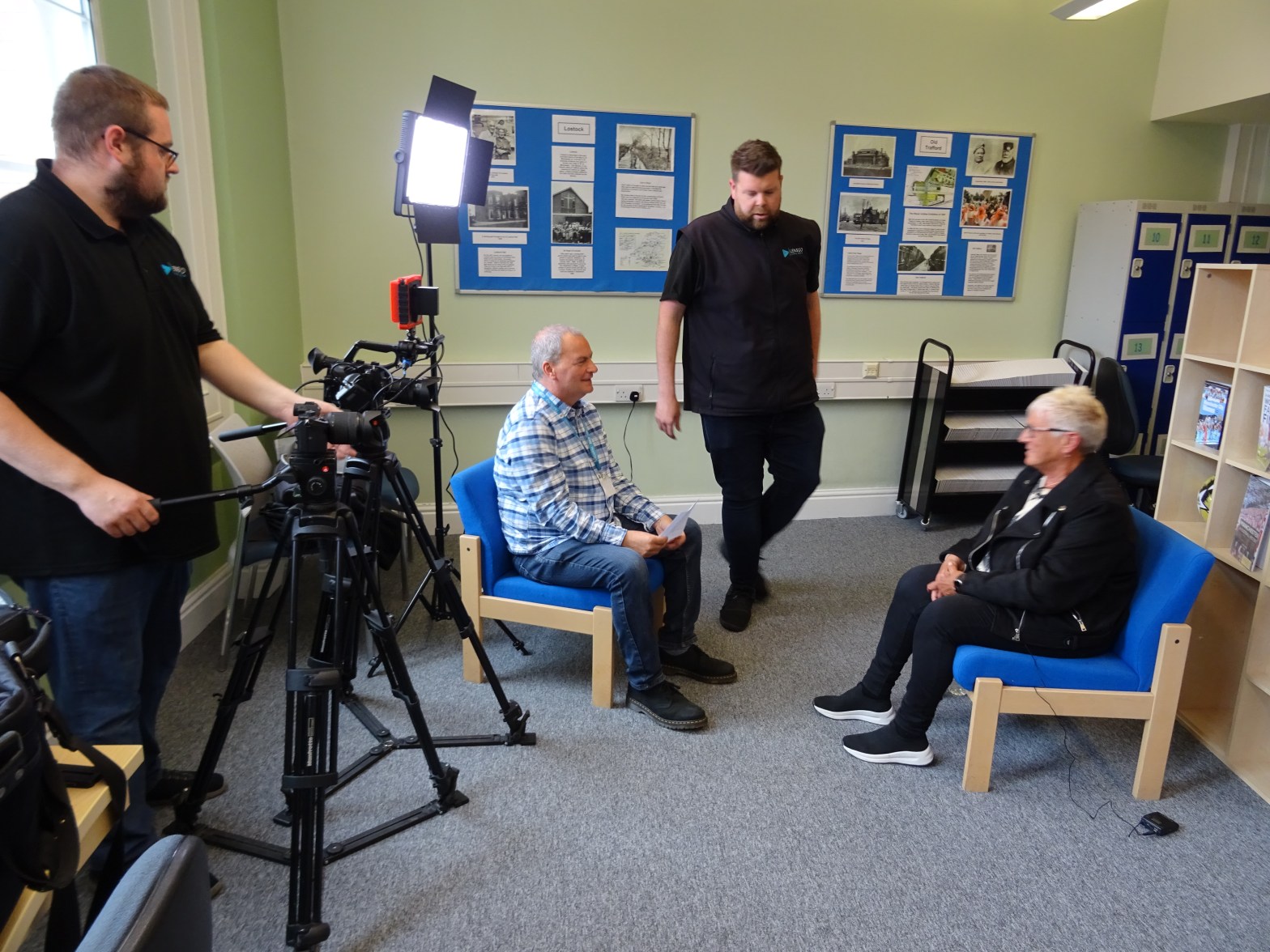
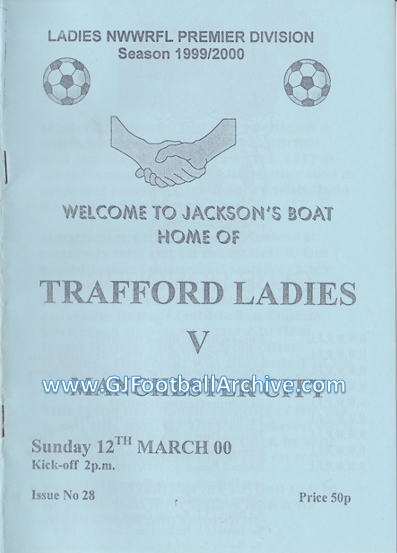
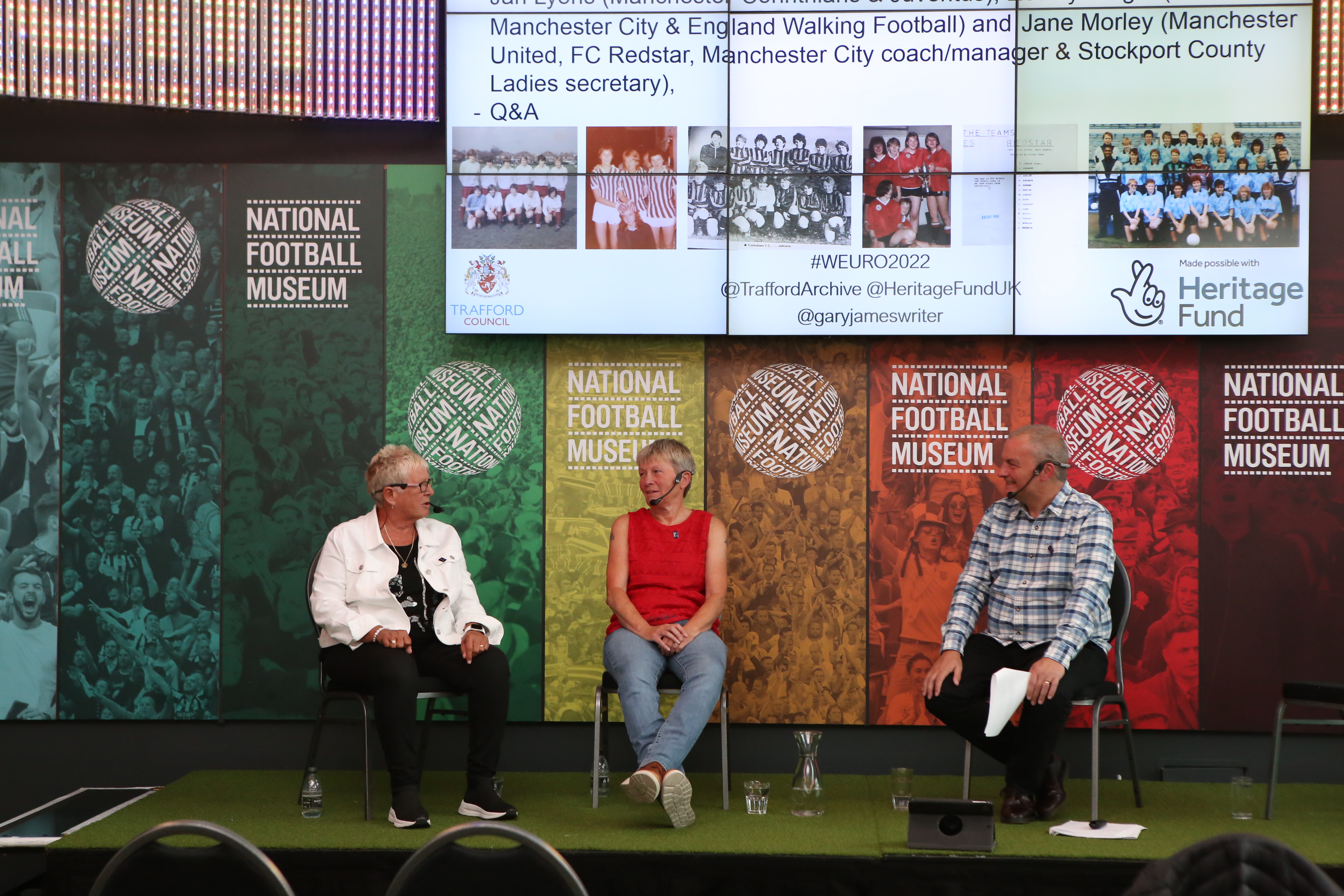
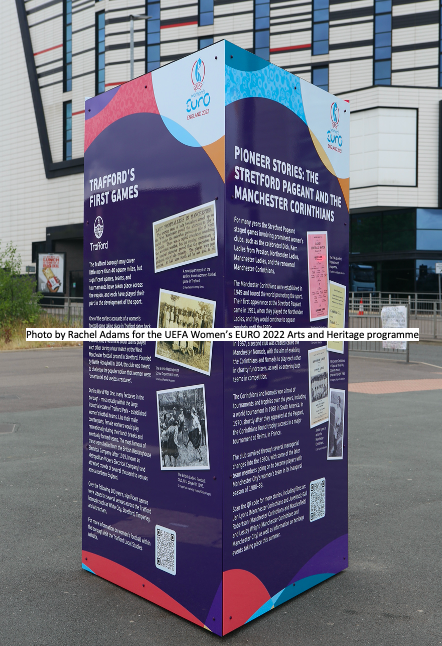
Great to see the Corinthians’ stories are spreading at the moment and look forward to further stuff over the coming months. If anyone wants to know anything about this incredible club, established in 1948-49 and playing on for over 40 years, then please get in touch. I’ve interviewed over 50 Corinthians as part of a decade long project which has resulted in blue plaques, media attention, documentaries (UK & South America) and of course the Authorised History book. If you know little about this team then take a look at the following:

Firstly, the book: Over 50 Corinthians interviewed covering every season with three players from 1948-49 covered, as well as women who were there right at the end. Hundreds of images and much more. See:

Next… Wonderful scenes from the Corinthians reunion (well worth watching!):

Next… The video aimed at South American audiences and Portuguese speakers (I’ve been working with Luis for some time on this as I knew he could help get the Corinthians‘ story out in South America). Obviously it’s aimed at Brazil rather than Venezuela but this is great coverage. Here’s a link to the Portuguese language film he’s done here too: 

https://www.uol.com.br/esporte/futebol/ultimas-noticias/2026/01/27/terra-de-city-e-united-manchester-ja-teve-um-corinthians-feminino.htm

Luis has also created an English language version here: 

Next… The Corinthians in other recent books:

Next… The Blue Plaque:

Finally, the John Tueart produced 20 minute film (well worth watching):

Manchester City v Aris

After a goalless first leg, City welcomed Greek side Aris to Manchester for the Europa League second leg today (24 February) in 2011. It was a night when Edin Dzeko, a recent signing, netted in both the 7th and 12th minutes to give the Blues a strong early lead.

Yaya Toure made it 3-0 in the 75th minute when a corner found its way out to him 30 yards from goal and his powerful low effort deflected off Ricardo Faty to leave the Aris ‘keeper stranded.

After the game David Silva talked of Dzeko: ‘He’s a great player and he’s going to come in very useful for us. He did a good job today, scoring his goals, and let’s hope he gets a lot more. Little by little he’s finding his feet, and I hope he adapts quickly to get on the same wavelength as the team. We’re building a good team and let’s see if we can win a trophy.’

Aris’s midfielder Juan Carlos Toja admitted conceding two early goals disrupted his team’s plans: ‘We wanted to defend better and make it hard for them to score a goal and look to frustrate them. Unfortunately we made a mistake in the opening minutes for the first goal and then lost another one and to go two goals behind against a team like this is very difficult because they’ve a lot of quality.’

The victory meant that City would face Dynamo Kyiv in the Europa League round of 16.

A Rearranged Reserve Game

Fifty years ago today (23 February 1976) Manchester City manager Tony Book had hoped to give Colin Bell a run out in a rearranged Reserve game but sadly Book’s hopes were dashed when the player pulled up in a training session. The City boss commented: ‘He is still feeling the effects of a calf strain and there was no point in gambling him for this afternoon’s match.’

The news was released several hours before the Central League meeting with Sheffield United when a bumper afternoon crowd was expected to see their hero. In the end his absence kept the attendance down to 2,017 – not bad for a Monday afternoon – for this 2-2 draw but it was still more than double the previous reserve game.

Once the reserve game was out of the way, City focused on Wembley. Colin Bell did travel as part of a 17-man squad to a health farm as part of the League Cup final preparations, but it was clear he was unlikely to play. Book told the Manchester Evening News: ‘We will take the situation from day to day, but frankly I can’t see him making it by Saturday. I am disappointed not only for myself and the team, but for Colin himself.’

Despite the news about Bell, City’s second League Cup final in three seasons was eagerly anticipated. The opponents would be Newcastle on 28 February.

While you’re here why not subscribe and read a 5,320 word article on the entire 1975-76 season – a season which saw Tony Book guide the club to major success. You can read this below.

Subscribe to get access – Monthly

Read more of this content when you subscribe today. It costs £3 per month (cancel anytime) to access everything posted since 1 October 2022 or there’s a special annual rate below which gives greater access and works out much cheaper.

Subscribe to get access – Annual

Read more of this content when you subscribe today. It costs £3 per month (above) or £20 a year (here) to access everything posted since the site was created in December 2020. This special rate works out about £1.67 a week and gives access to everything posted, including PDFs of 3 of my books.

If you’d like to know more about subscribing then see:

If you enjoy all the free material on my website and would like to support my research and keep this website going (but don’t want to subscribe) then why not make a one-time donation (or buy me a coffee). All support for my research is valued and welcome. It allows me to keep some free material available for all. Thanks.

Choose an amount

£2.50
£5.00
£7.50

Or enter a custom amount

£

Your contribution is appreciated.

Donate
The 1920s: Billy Meredith’s Last Goal

For today’s feature I’ve decided to look back to a remarkable day in 1924 when Manchester City and Brighton met in their first competitive game. This ‘first’ also became significant as a ‘last’ moment for one of City’s greatest ever players. That day the legendary Billy Meredith scored his last competitive goal. Remarkably, he was 49 and his return to City’s first team brought significant media coverage. 

The first ever meeting between City and Brighton was on this day (23 February) in 1924 and this photo is of Meredith during that game. It was a FA Cup tie at Brighton and newspapers were full of Meredith stories. His return was big news. The Manchester Evening News explained: ‘To all intents and purposes, Meredith ceased to be an active member of the first team two seasons ago. Two things have combined to bring him within range of the rather sensational choice now made – sentiment and his own indomitable will to fret his hold on the football stage a little longer… The chief argument in his favour is that from one of his classic centres any match might be won, just as it was when he scored the goal that served to bring the English Cup to Hyde Road twenty years ago next month.’

Meredith had not played in a League game all season – in fact he’d only played one game the previous season! – and he was aged 49. However, he remained the biggest name in football and had captained City to FA Cup success in 1904, scoring the winning goal in the final.

A record crowd of 24,734 packed into Brighton’s Goldstone Ground and Meredith’s inclusion inspired the rest of the team. City defeated Brighton 5-1 and there was even a sentimental moment when a minute into the second half Meredith scored. The Daily Mail described the goal: ‘[Meredith’s] old inimitable ball magic along the touch line remains… Those bow legs still mesmerise the ball, and that great right foot still placed the ball perfectly in the mouth of goal. In this way Meredith got his goal. Hayes grasped the ball, but it spun out of his hands into the net.’

This was to be Meredith’s last-ever first team goal.

This season City reached the FA Cup semi-final, establishing attendance records along the way. Meredith’s inclusion was a masterstroke. The chance of Meredith reaching the FA Cup final had been the nation’s footballing dream, but it could not be fulfilled. In the semi-final City were defeated by Newcastle and the Welshman’s career came to an end. You can read about that game here:

Billy Meredith stopped playing more than 100 years ago but his name remains one all Blues should know. He was our first truly great player and was the game’s biggest star. He joined City in 1894 and, despite a spell at Manchester United, remained a City fan all his life, attending every FA Cup final the Blues played in until his death in 1958. 

In 2004 I chatted with his then 98-year-old daughter Winifred, and she said that his heart was always with City: ‘He felt at home at City. I know he had great success at United, but I don’t think they ever really appreciated him in the way City did. I think United were not paying him properly after the war and, because of his age, they probably didn’t value him. But City did, and it’s clear they still love him today. City was always his team and meant more to him than United ever could.’

Other images from the game:

One-Time
Monthly
Yearly

If you enjoy all the free material on my website and would like to support my research and keep this website going (but don’t want to subscribe) then why not make a one-time donation (or buy me a coffee). All support for my research is valued and welcome. It allows me to keep some free material available for all. Thanks.

Make a monthly donation

Make a yearly donation

Choose an amount

£3.50
£5.00
£7.50
£5.00
£15.00
£100.00
£5.00
£15.00
£100.00

Or enter a custom amount

£

Your contribution is appreciated.

Your contribution is appreciated.

Your contribution is appreciated.

DonateDonate monthlyDonate yearly

The 1950s: An 8-4 Defeat for Manchester City!

Today (22 February) in 1958 saw a remarkable game where Manchester City’s Bobby Johnstone scored in the third minute but the Manchester Blues lost 8-4 to Leicester City. This is a simple report from that game. Were you there? I’d love to hear your memories of that strange day. Note the Arsenal-Tottenham match ended 4-4 – another strange result for a London Derby. To find out more on this period in football then why not read my series on Manchester City in the 1950s. Here’s a 2,200 word article on the 1957-58 season. Enjoy!

This is a subscriber article and you can read it by subscribing below.

Subscribe to get access

Read more of this content when you subscribe today. It costs £3 per month or you can subscriber for the discounted annual rate of £20 per year. Each subscriber gets access to everything posted so far, including PDFs of a couple of my books.

Manchester City v Newcastle United Tonight’s Match Programme

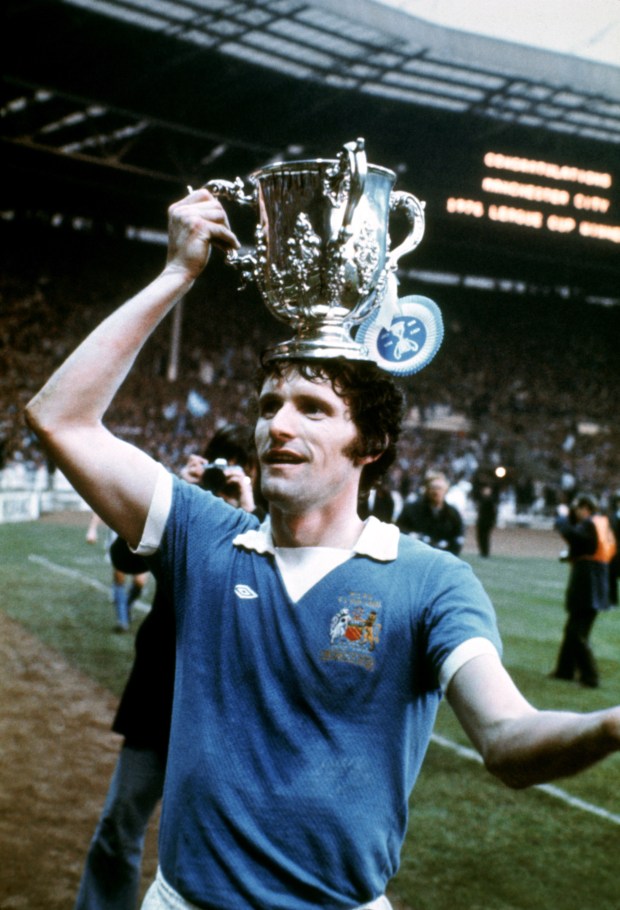
If you’re lucky enough to get tonight’s match programme look out for my tracker feature. It covers 3 seasons (‘Five, Fifteen & Fifty Years’ ago) and tracks them game by game. Coincidentally (well not quite; I did plan it a little) tonight’s features takes the 1975-76 season to the League Cup final v Newcastle. It also covers the game that followed when, amazingly, Denis Tueart netted another overhead goal which, according to many, was even better than his Wembley effort.

Hopefully everybody will enjoy the article tonight.

Here’s a link to articles about City & Newcastle on this site:

The Origins Of Manchester City: The Late 1870s

Continuing here: the story of Manchester City’s origins. Today’s feature is on the late 1870s. Association football clubs were in existence in Manchester during this period and the steps that led to the formation of St Mark’s West Gorton occurred too. Below is a 2,500+ word article on that period and the latest part of a series looking at Manchester City’s origins prior to 1890.

Already there are seasonal articles on every season from 1890-91 (Ardwick) through to 2009-10 and now, throughout February, I’ll be adding the history of the Club prior to 1890. I’ll be telling via a series of articles the story of key individuals/origins/moments that contributed to the establishment of a football club. The series continues below with this feature on the late 1870s.

Subscribe to get access

These articles will be available to subscribers to this site. It costs £3 per month (cancel any time) or sign up for a year for the discounted price of £20 per year (works out about £1.67 a month to access every article on this site). To date in excess of 1,500 articles/features have been posted including interviews, talks and more.

If you enjoy all the free material on my website and would like to support my research and keep this website going (but don’t want to subscribe) then why not make a one-time donation (or buy me a coffee). All support for my research is valued and welcome. It allows me to keep some free material available for all. Thanks.

Choose an amount

£2.50
£5.00
£7.50

Or enter a custom amount

£

Your contribution is appreciated.

Donate
The 2010s: Manchester City v Notts County

On 20 February 2011 Manchester City’s FA Cup tie with Notts County ultimately demonstrated the gulf in quality between Manchester’s Blues and the 18th placed team in League One (3rd tier). County, managed by former United player Paul Ince, had opened brightly and almost took the lead after only 60 seconds, but City went on to dominate this fourth round replay.

Patrick Vieira opened the scoring for City in the 37th minute when he headed home after David Silva whipped a cross in his direction from a Kolarov corner. Vieira added a second 13 minutes after half time. Roberto Mancini’s side seemed comfortable by this time, but County began to put the Blues under pressure, forcing goalkeeper Joe Hart to make a couple of significant saves.

Ince’s side peaked by about the 70th minute and City increased their lead in the 84th as Carlos Tevez scored his 50th goal in only 73 appearances for the Blues – a return that caused the Guardian’s Daniel Taylor to suggest the Argentinian had: ‘legitimate credentials to be recognised as the outstanding striker in [City’s] history.’

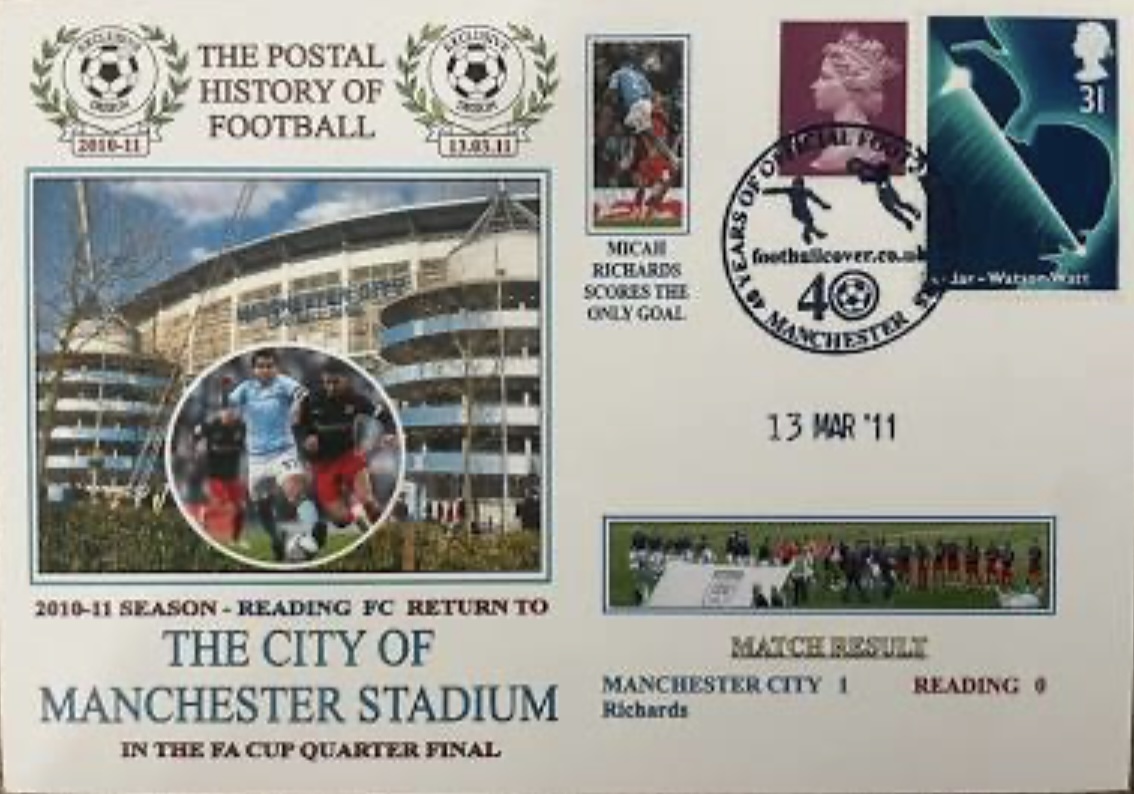
A Edin Dzeko header made it 4-0 in the 89th minute and then Micah Richards hooked a superb shot into the top corner from about 12 yards out to make it 5-0 in added time.

City were through to face Aston Villa in the fifth round, and they already knew that, should they beat Villa, the quarter-final would be against either Everton or Reading.

While the result was extremely positive there had been one potentially concerning moment picked up by the nation’s media. Mario Balotelli clashed heads with County defender Pearce and was replaced almost immediately by Carlos Tevez (60th minute). As Balotelli left the field, he seemed somewhat unhappy and threw his snood to the ground as he walked down the tunnel. The player was taken to hospital after the game as he felt dizzy and nauseous, but much was made of his disappointment at being substituted. When asked about it after the game Mancini said: ‘He was unhappy, sure. I’d expect him to be. But that was our plan [to substitute him] and we had told him. We have games coming up every three or four days and we want him 100%.’

At a time when some were suggesting City should concentrate on finishing in a League place that would guarantee Champions League football rather than a domestic cup, Mancini was asked whether the Cup mattered to him. He replied: ‘The FA Cup is an important competition, and we want to win it. Reaching the final is our aim but we cannot look too far ahead. We have a Europa tie on Thursday and then we must play in the League on Sunday before the cup match against Villa… It is a lot to ask to win every week, but we must rest well and then work hard.’

Match Stats

20 February 2011

Manchester City 5 (Vieira 2, Tevez, Dzeko & Richards) Notts County 0

Attendance 27,276

If you enjoy all the free material on my website and would like to support my research and keep this website going (but don’t want to subscribe) then why not make a one-time donation (or buy me a coffee). All support for my research is valued and welcome. It allows me to keep some free material available for all. Thanks.

Choose an amount

£2.50
£5.00
£7.50

Or enter a custom amount

£

Your contribution is appreciated.

Donate
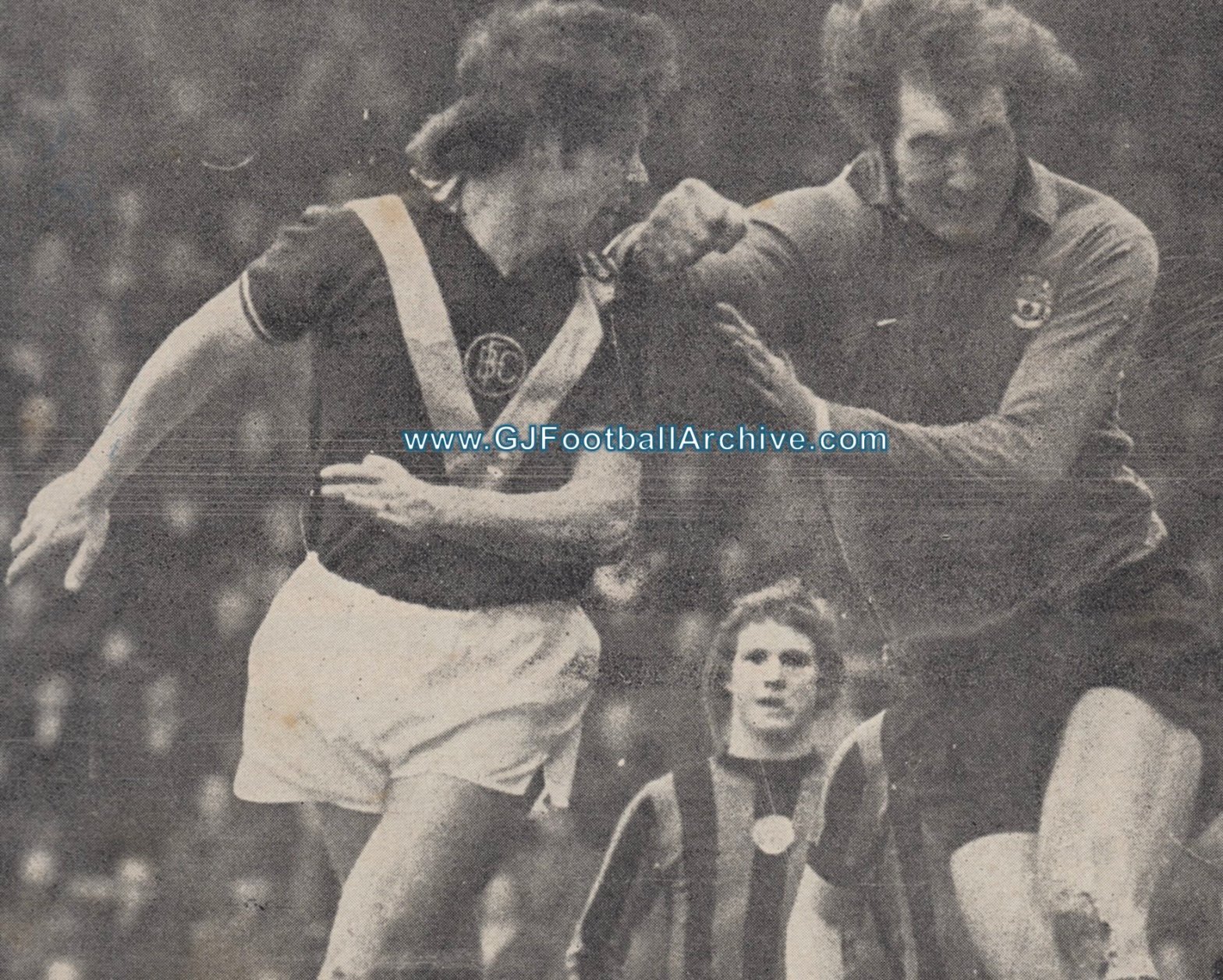
Were You There 60 Years Ago Today? Manchester City 1 Coventry City 0

Today (19 February) in 1966 a goal from captain Johnny Crossan brought City a 1-0 win over Jimmy Hill’s Coventry City and prompted City boss Joe Mercer to say that his side were not good enough for promotion. He was joking after some criticism that day and was able to point to the League table which showed City top of the Second Division. Were you at Maine Road that day? If you were please feel free to add your comments. Here for subscribers is a contemporary match report from this game:

Subscribe to get access

Read more of this content when you subscribe today. It costs £3 per month (cancel anytime) or sign up for a year at a time at a discounted price of £20 per year. This gives access to every article, book, interview etc. posted to the site so far. Why not sign up for a month and see what you think?

You can find out more on Manchester City during the 1965-66 season by reading the following 4100 word article. As with most of the other features in this series it includes words from interviews I have performed with those who were there. This is a subscriber article (see below).

Subscribe to get access

Read more of this content when you subscribe today. It costs £3 per month (cancel anytime) or sign up for a year at the discounted price of £20 per year (works out £1.67 per month). Subscribers access the 1000+ articles posted so far and the others scheduled during the life of your subscription.

If you enjoy all the free material on my website and would like to support my research and keep this website going (but don’t want to subscribe) then why not make a one-time donation (or buy me a coffee). All support for my research is valued and welcome. It allows me to keep some free material available for all. Thanks.

Choose an amount

£2.50
£5.00
£7.50

Or enter a custom amount

£

Your contribution is appreciated.

Donate
The Origins Of Manchester City: The Early 1870s

Continuing here: the story of Manchester City’s origins. Today’s feature is on the early 1870s. Association football clubs were starting to develop in Manchester, although the clubs that led to the formation of Manchester City were still a few years off. Below is a 1000+ word article on that period and the latest part of a series looking at Manchester City’s origins prior to 1890.

Already there are seasonal articles on every season from 1890-91 (Ardwick) through to 2009-10 and now, throughout February, I’ll be adding the history of the Club prior to 1890. I’ll be telling via a series of articles the story of key individuals/origins/moments that contributed to the establishment of a football club. The series continues below with the second feature on the early 1870s.

Subscribe to get access

These articles will be available to subscribers to this site. It costs £3 per month (cancel any time) or sign up for a year for the discounted price of £20 per year (works out about £1.67 a month to access every article on this site). To date in excess of 1,500 articles/features have been posted including interviews, talks and more.

If you enjoy all the free material on my website and would like to support my research and keep this website going (but don’t want to subscribe) then why not make a one-time donation (or buy me a coffee). All support for my research is valued and welcome. It allows me to keep some free material available for all. Thanks.

Choose an amount

£2.50
£5.00
£7.50

Or enter a custom amount

£

Your contribution is appreciated.

Donate