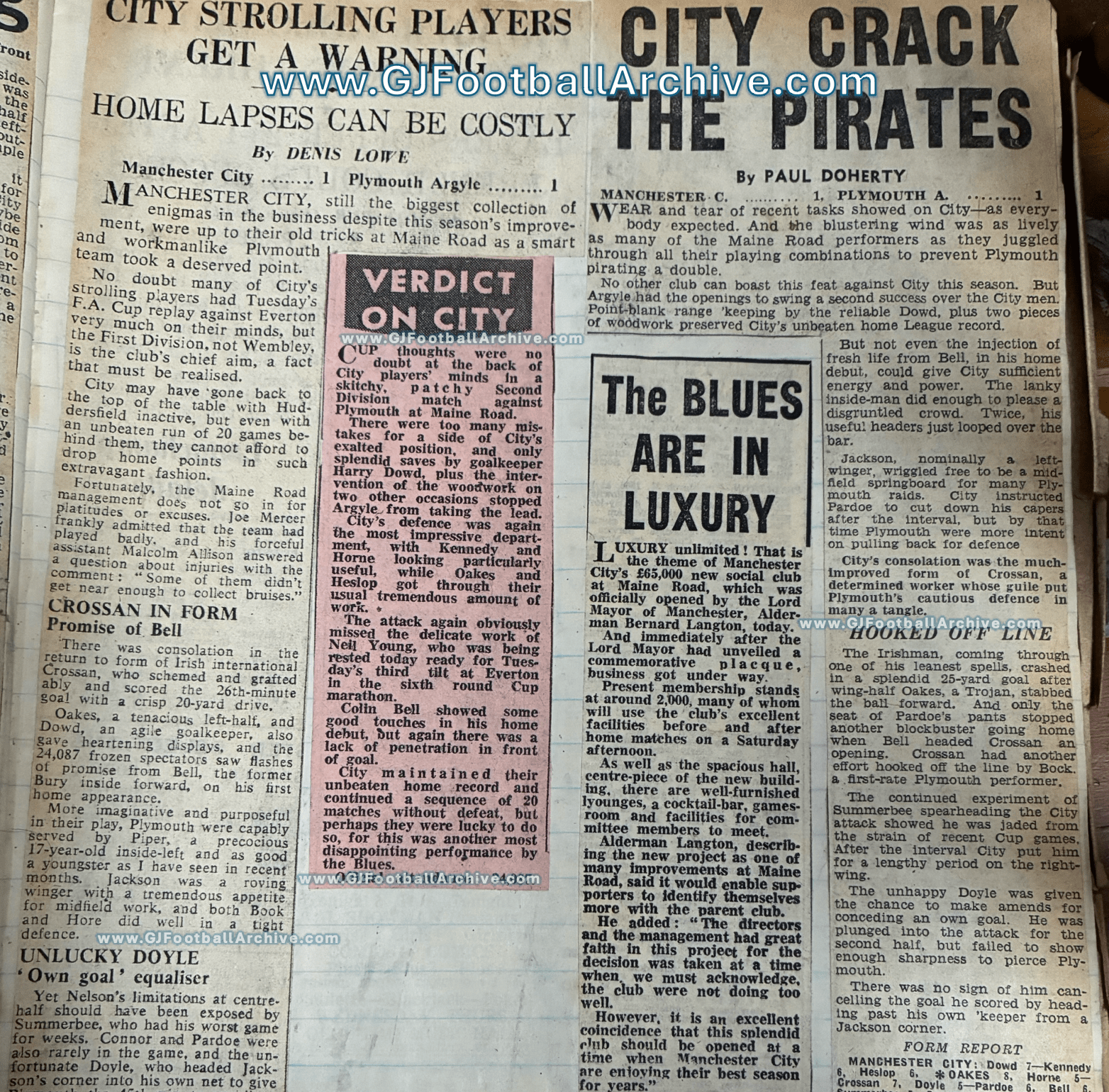
60 years ago today (2 April 1966) Manchester City and Plymouth met in the Second Division. The game ended 1-1 with City’s goal coming from Johnny Crossan. Subscribers can read contemporary match reports below from a scrapbook on the entire 1965-66 season I have.
Subscribe to get access
Read more of this content when you subscribe today. It costs £3 per month (cancel anytime) or sign up on a yearly basis for the discounted price of £20 per year. All subscribers access everything posted to this site including 1000s of articles, audio material and a couple of my books and will also be able to access everything posted during their subscription.
If you enjoy all the free material on my website and would like to support my research and keep this website going (but don’t want to subscribe) then why not make a one-time donation (or buy me a coffee). All support for my research is valued and welcome. It allows me to keep some free material available for all. Thanks.
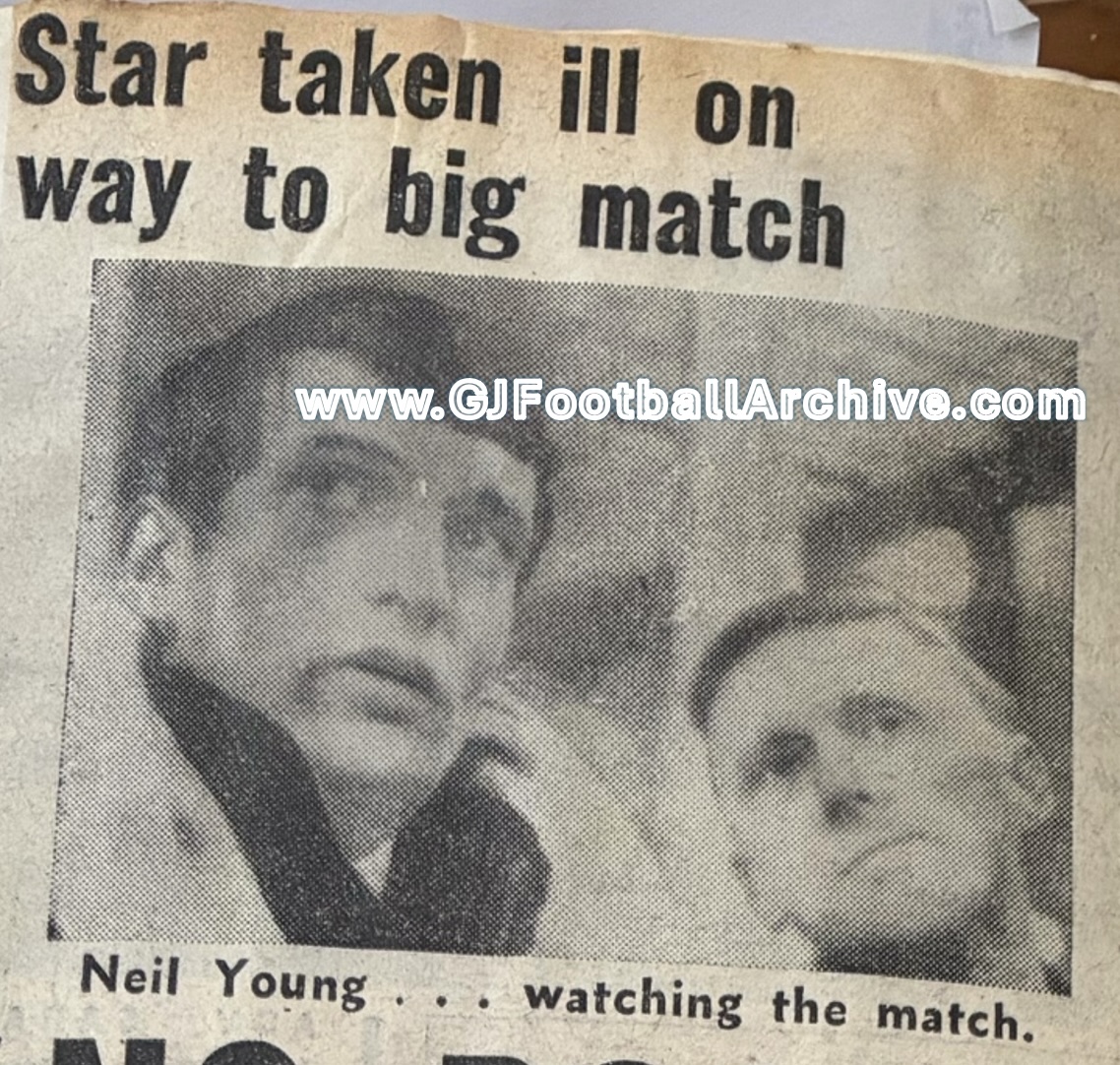
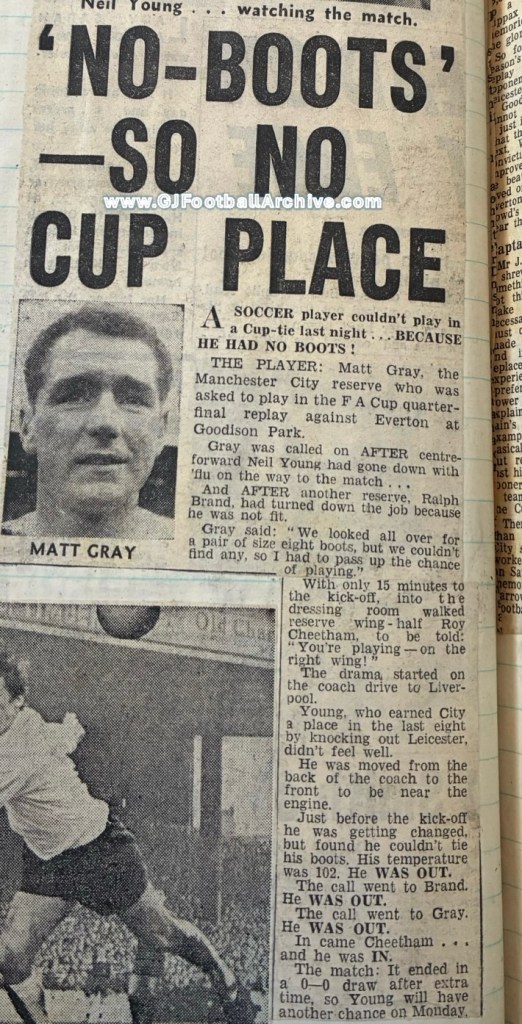
60 years ago today (29 March 1966) 60,349 watched a goalless FA Cup quarter final replay at Goodison Park between Everton and Manchester City. Once again City ‘keeper Harry Dowd was one of the star men but a curious team selection issue cropped up before the game. City striker Neil Young went down with flu on the way to the match. Then Ralph Brand turned down the chance to play as he believed he was not fit enough. Manager Joe Mercer turned to Matt Gray, but he couldn’t play because he didn’t have any boots! City looked for some size 8 boots but couldn’t find any. So Gray couldn’t play. Ultimately, Roy Cheetham managed to get to Goodison Park 15 minutes before kick off and took Young’s place.
Here for subscribers are match reports and details of that day:
Subscribe to get access
Read more of this content when you subscribe today. It costs £3 per month (cancel anytime) or sign up at a discounted £20 per year. Every subscriber gets access to the 1000s of articles already posted and those posted throughout your subscription. This includes the full Manchester A Football History and my first City book published in 1989
If you enjoy all the free material on my website and would like to support my research and keep this website going (but don’t want to subscribe) then why not make a one-time donation (or buy me a coffee). All support for my research is valued and welcome. It allows me to keep some free material available for all. Thanks.
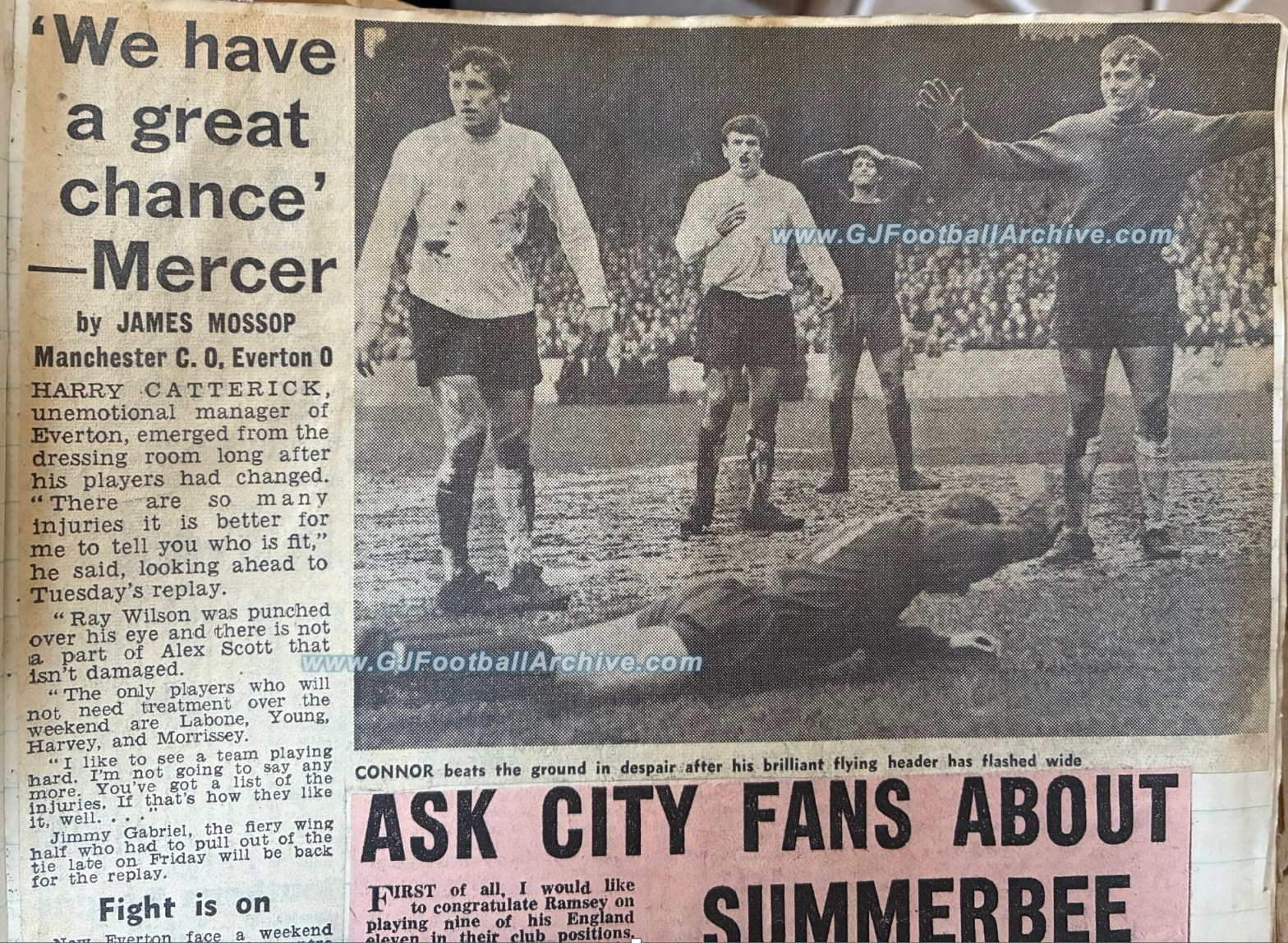
60 years ago today (26 March 1966) 63,034 watched a goalless FA Cup quarter final at Maine Road between Everton and Manchester City. It was a day that ultimately brought a lot of attention City’s way and City ‘keeper Harry Dowd was the star man according to some journalists. Here for subscribers are match reports and details of that day:
Subscribe to get access
Read more of this content when you subscribe today. It costs £3 per month (cancel anytime) or sign up at a discounted £20 per year. Every subscriber gets access to the 1000s of articles already posted and those posted throughout your subscription. This includes the full Manchester A Football History and my first City book published in 1989
If you enjoy all the free material on my website and would like to support my research and keep this website going (but don’t want to subscribe) then why not make a one-time donation (or buy me a coffee). All support for my research is valued and welcome. It allows me to keep some free material available for all. Thanks.
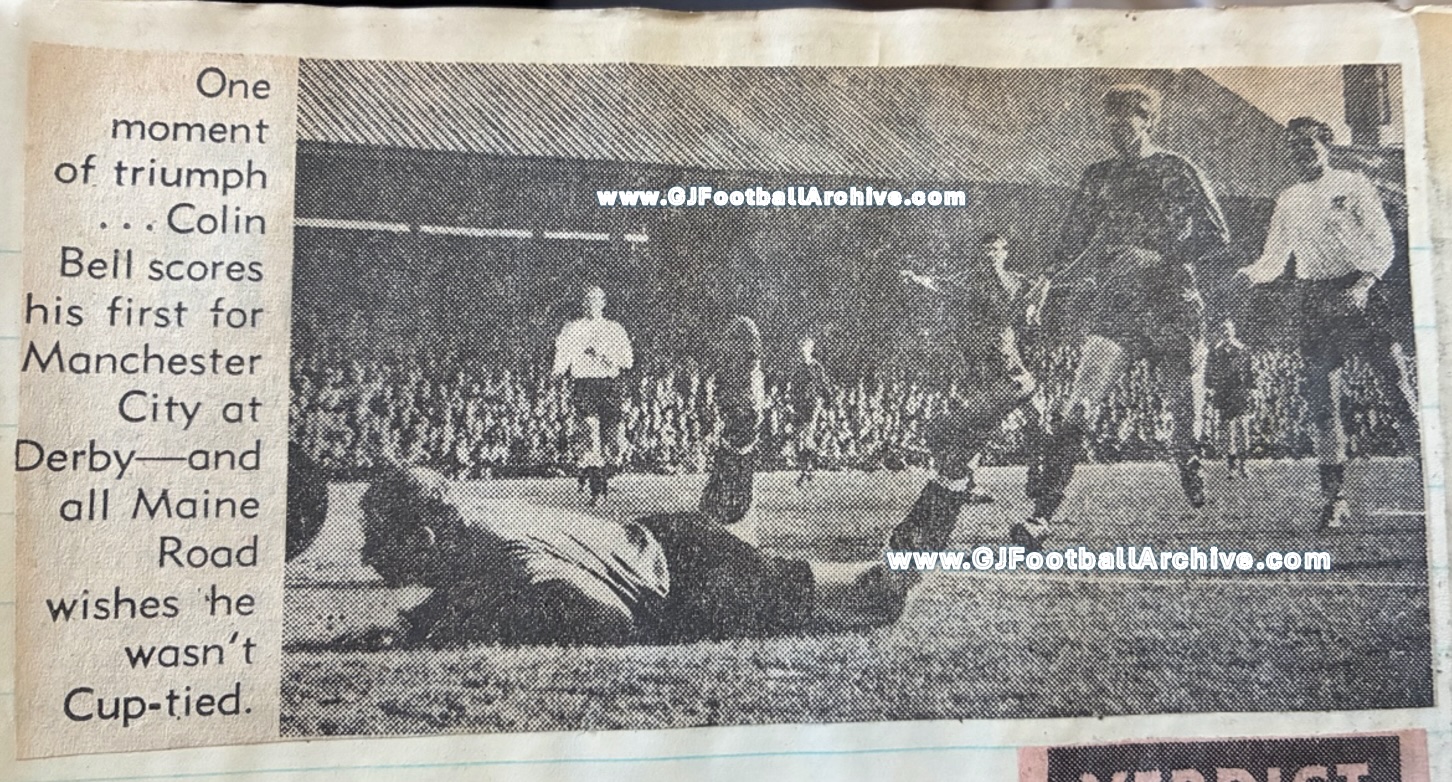
60 years ago today (19 March 1966) Colin Bell made his debut for Manchester City in a League game with Derby County. The game ended 2-1 with Colin Bell scoring a debut goal (see main photo). Joe Mercer and Malcolm Allison often joked about the goal (according to Allison it hit him and went in which Allison claimed caused Mercer to cry out: ‘Oh no, what have we done!’). That was more of a story used years later when Colin had proved his worth time and time again.
Bell signed on 16 March. Here for subscribers are contemporary match reports and also an image of Young’s goal too:
Subscribe to get access
Read more of this content when you subscribe today. It costs £3 per month (cancel anytime) or sign up at a discounted £20 per year. Every subscriber gets access to the 1000s of articles already posted and those posted throughout your subscription. This includes the full Manchester A Football History and my first City book published in 1989
If you enjoy all the free material on my website and would like to support my research and keep this website going (but don’t want to subscribe) then why not make a one-time donation (or buy me a coffee). All support for my research is valued and welcome. It allows me to keep some free material available for all. Thanks.
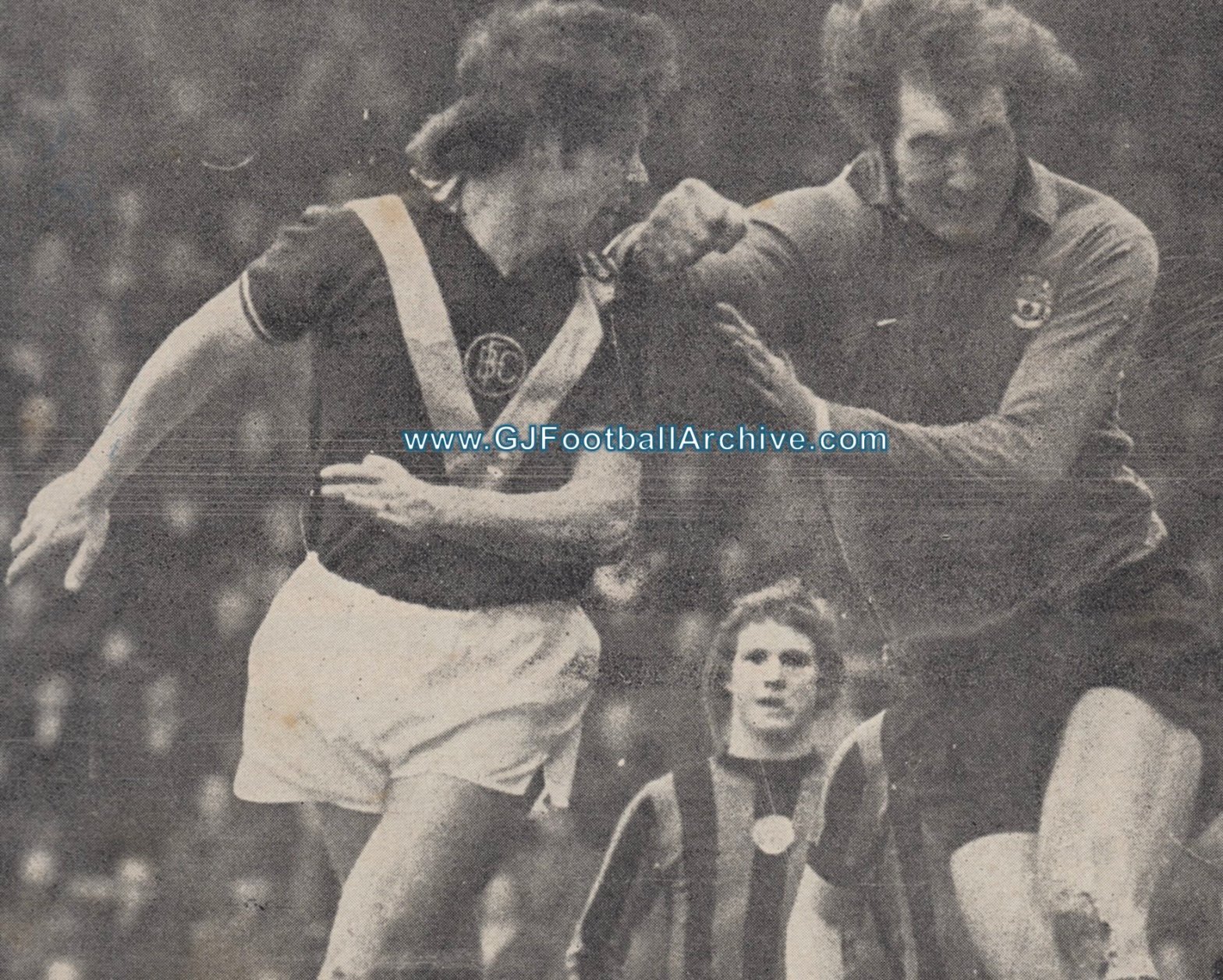
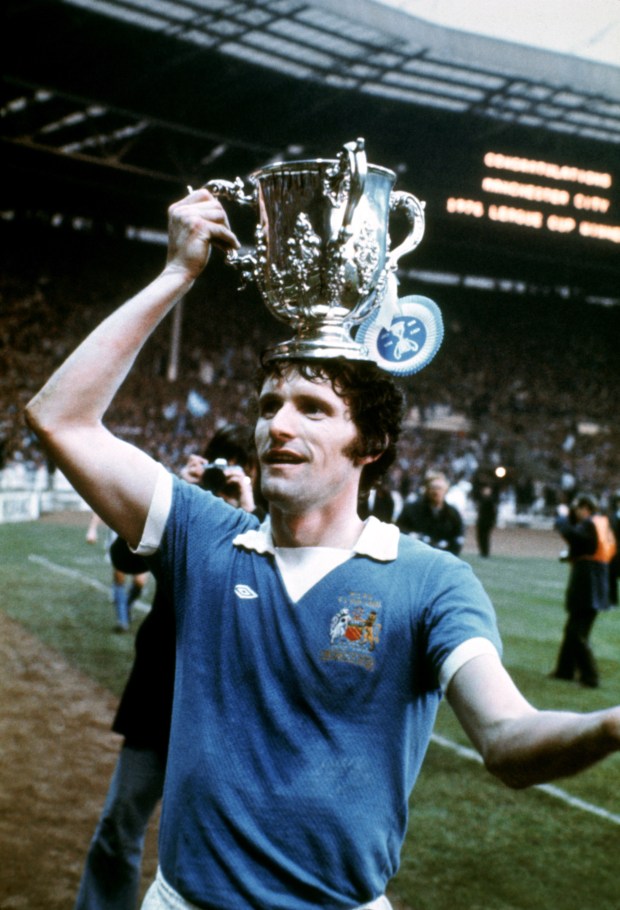
Manchester City, the League Cup winners, travelled to Turf Moor for a League game with struggling Burnley on this day (13 March) in 1976. It was a strange day with City in control for much of the game. It seemed inevitable Tony Book’s side would win, especially when they were awarded a penalty in the 44th minute. Burnley’s centre-half Jim Thomson was sent off for kicking Dennis Tueart while he lay on the ground following a collision with the ‘keeper. Tueart said afterwards: ‘When Thomson was sent off the goalie and I stood looking at each other wondering what had happened. It was a bit silly really! There was a bit of a skirmish with Thomson, but I didn’t even feel a blow of any kind.’
Wembley hero Tueart stepped up to take the resulting penalty but Burnley ‘keeper Gerry Peyton saved brilliantly.
The game became ill-tempered and former City hero Mike Summerbee, playing for Burnley, clashed with Tueart at times, causing both men to be spoken to by the referee.
In the second half City, playing in red & black stripes, were awarded another penalty. This time Tueart’s spot-kick entered the net, but the referee judged that a City played had encroached the area and the penalty was retaken. This time Tueart’s shot hit the post!The game ended goalless and City were now sixth, eleven points (2 points for a win) behind leaders QPR with three games in hand.
You can read more on the 1975-76 season with this 5,320 word article – a season which saw Tony Book guide the club to major success. If you want to know more on this incredible decade for Manchester City Football Club then why not subscribe and read it all? You could even subscribe for a month and see what you think. The following 5,320 word article is on the 1975-76 season and is available to subscribers below. Enjoy!
Subscribe to get access – Monthly
Read more of this content when you subscribe today. It costs £3 per month (cancel anytime) to access everything posted since 1 October 2022 or there’s a special annual rate below which gives greater access and works out much cheaper.
Read more of this content when you subscribe today. It costs £3 per month (above) or £20 a year (here) to access everything posted since the site was created in December 2020. This special rate works out about £1.67 a week and gives access to everything posted, including PDFs of 3 of my books.
If you enjoy all the free material on my website and would like to support my research and keep this website going (but don’t want to subscribe) then why not make a one-time donation (or buy me a coffee). All support for my research is valued and welcome. It allows me to keep some free material available for all. Thanks.
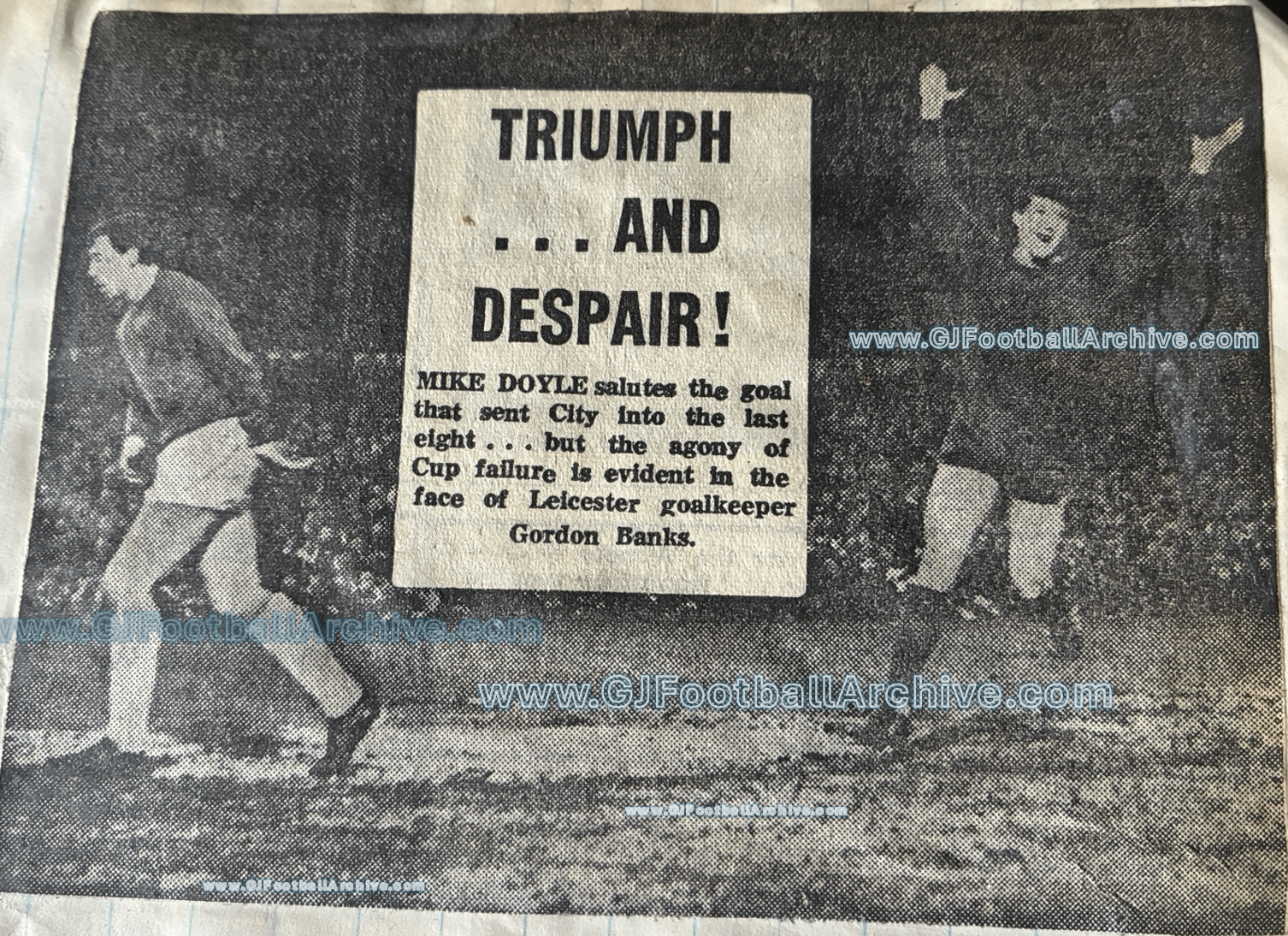
Today (9 March) in 1966 Second Division Manchester City defeated First Division Leicester City 1-0 in a FAC 5th round replay. Gordon Banks was the Leicester ‘keeper and City gained many plaudits from this display. More was to follow as the football world began to notice how City were revitalised under manager Joe Mercer and his assistant Malcolm Allison. Were you there that day? If you were please feel free to add your comments.
Here for subscribers are some contemporary match reports from this game:
Subscribe to get access
Read more of this content when you subscribe today. It costs £3 per month (cancel anytime) or sign up for a year at a time at a discounted price of £20 per year. This gives access to every article, book, interview etc. posted to the site so far. Why not sign up for a month and see what you think?
You can find out more on Manchester City during the 1965-66 season by reading the following 4100 word article. As with most of the other features in this series it includes words from interviews I have performed with those who were there. This is a subscriber article (see below).
Subscribe to get access
Read more of this content when you subscribe today. It costs £3 per month (cancel anytime) or sign up for a year at the discounted price of £20 per year (works out £1.67 per month). Subscribers access the 1000+ articles posted so far and the others scheduled during the life of your subscription.
If you enjoy all the free material on my website and would like to support my research and keep this website going (but don’t want to subscribe) then why not make a one-time donation (or buy me a coffee). All support for my research is valued and welcome. It allows me to keep some free material available for all. Thanks.
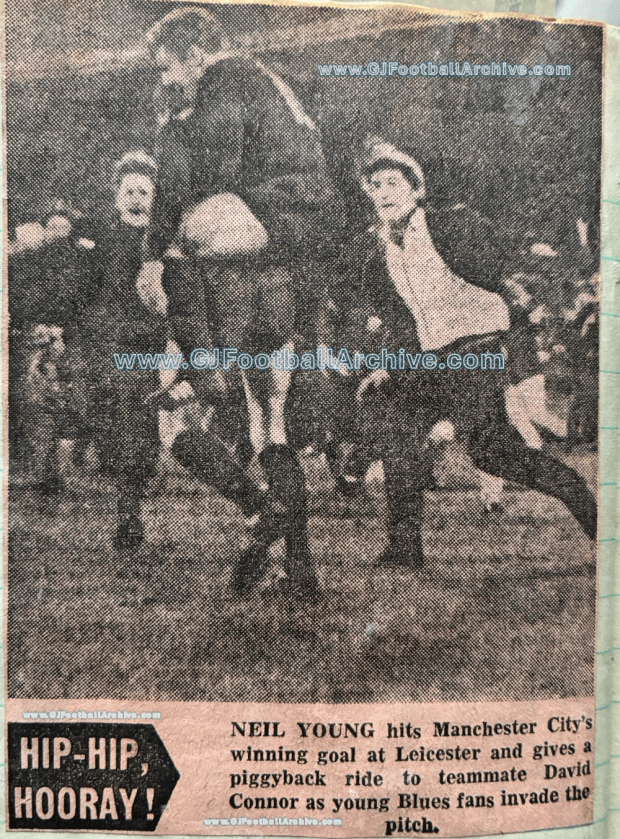
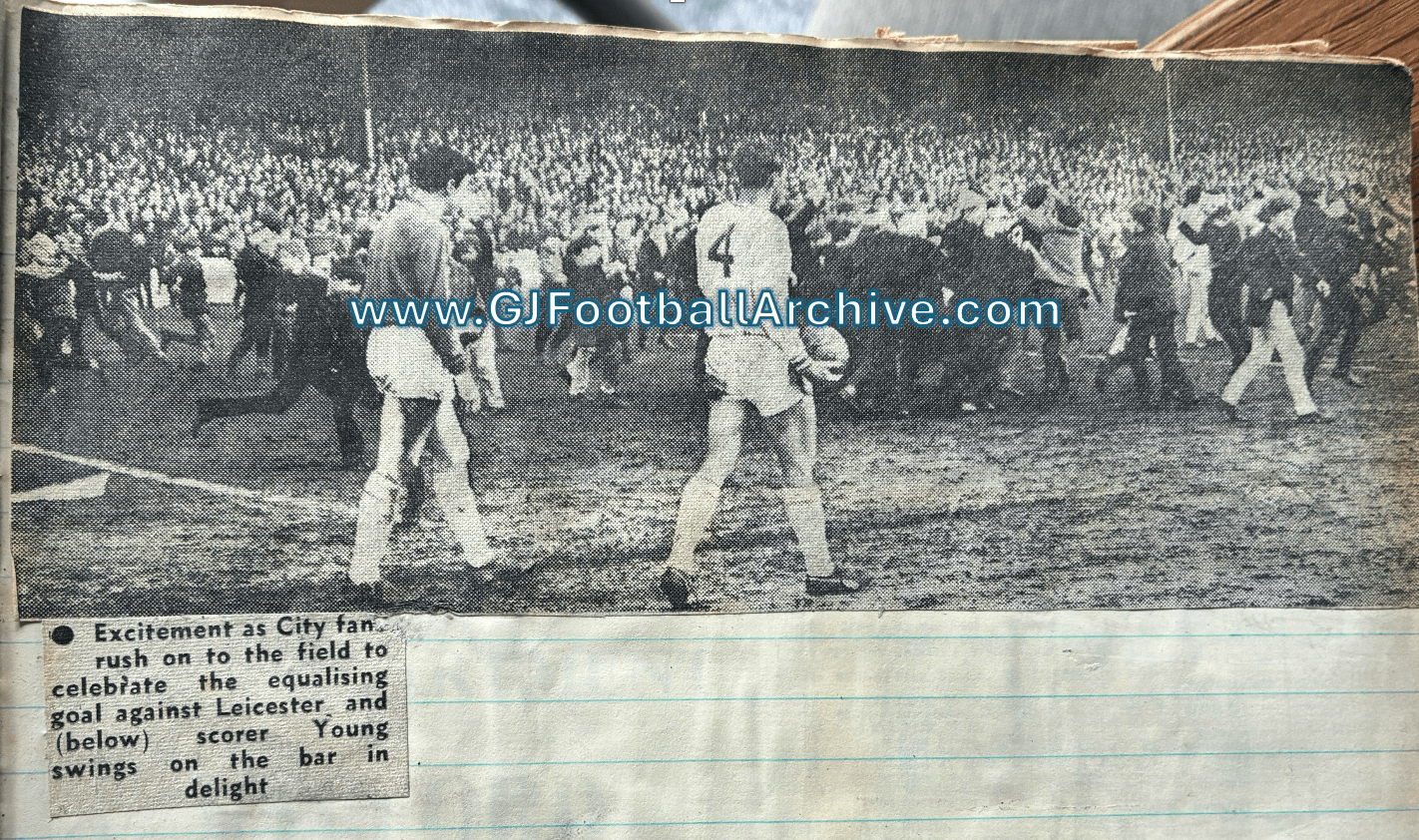
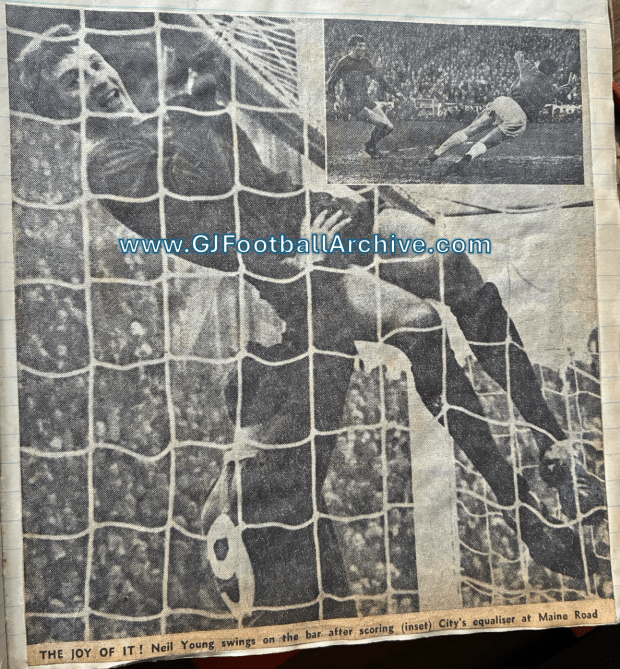
Today (5 March) in 1966 two goals from Neil Young helped Second Division Manchester City to a 2-2 draw against First Division Leicester City in the 5th round of the FA Cup. Gordon Banks was the Leicester ‘keeper and City gained many plaudits from this display. More was to follow as the football world began to notice how City were revitalised under manager Joe Mercer and his assistant Malcolm Allison. Were you there that day? If you were please feel free to add your comments.
Here for subscribers are some contemporary match reports and images from this game:
Subscribe to get access
Read more of this content when you subscribe today. It costs £3 per month (cancel anytime) or sign up for a year at a time at a discounted price of £20 per year. This gives access to every article, book, interview etc. posted to the site so far. Why not sign up for a month and see what you think?
You can find out more on Manchester City during the 1965-66 season by reading the following 4100 word article. As with most of the other features in this series it includes words from interviews I have performed with those who were there. This is a subscriber article (see below).
Subscribe to get access
Read more of this content when you subscribe today. It costs £3 per month (cancel anytime) or sign up for a year at the discounted price of £20 per year (works out £1.67 per month). Subscribers access the 1000+ articles posted so far and the others scheduled during the life of your subscription.
If you enjoy all the free material on my website and would like to support my research and keep this website going (but don’t want to subscribe) then why not make a one-time donation (or buy me a coffee). All support for my research is valued and welcome. It allows me to keep some free material available for all. Thanks.
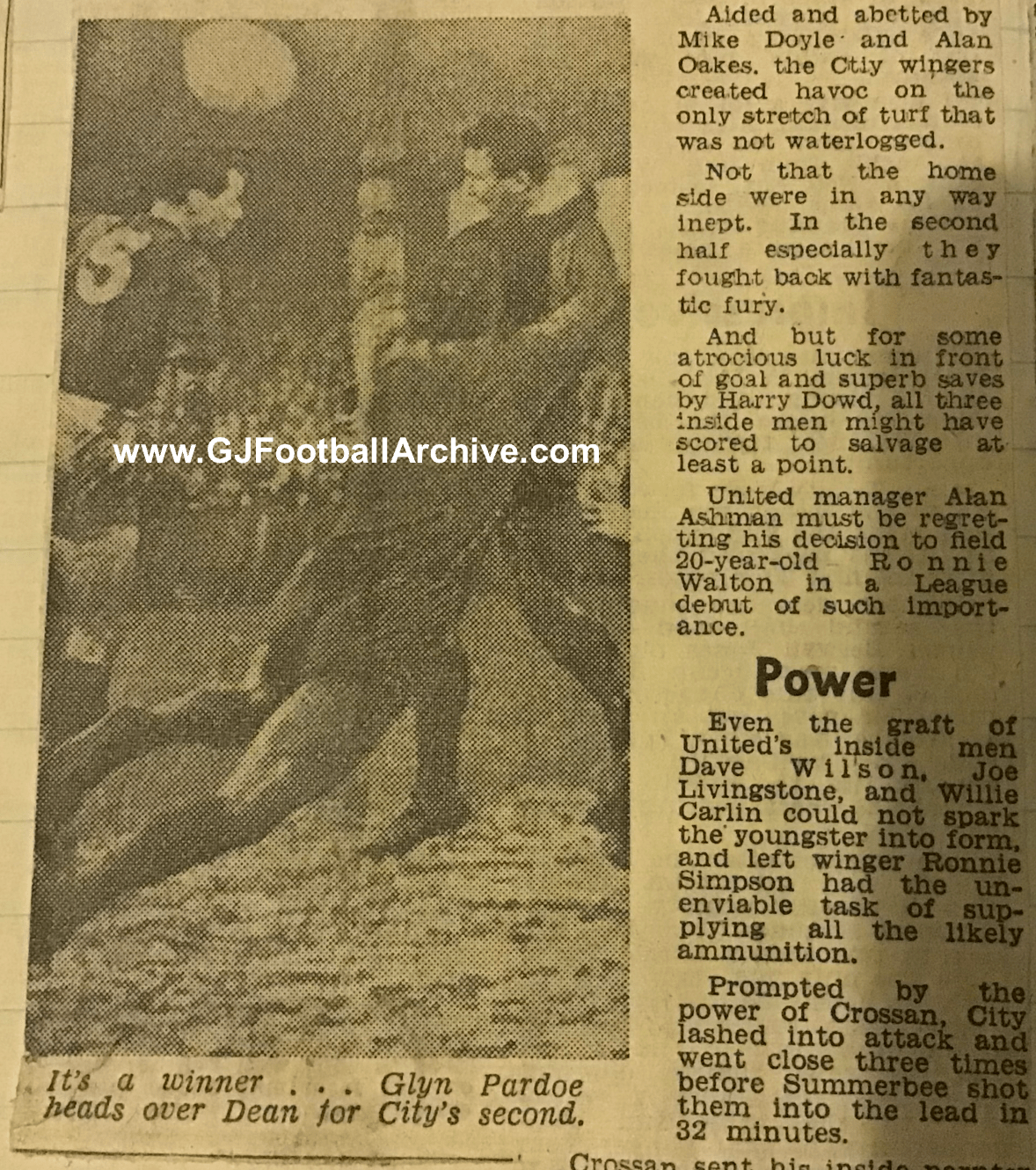
Today (26 February) in 1966 goals from Mike Summerbee and Glyn Pardoe gave City a 2-1 win at Carlisle. Were you there that day? If you were please feel free to add your comments. Here for subscribers is a contemporary match report from this game:
Subscribe to get access
Read more of this content when you subscribe today. It costs £3 per month (cancel anytime) or sign up for a year at a time at a discounted price of £20 per year. This gives access to every article, book, interview etc. posted to the site so far. Why not sign up for a month and see what you think?
You can find out more on Manchester City during the 1965-66 season by reading the following 4100 word article. As with most of the other features in this series it includes words from interviews I have performed with those who were there. This is a subscriber article (see below).
Subscribe to get access
Read more of this content when you subscribe today. It costs £3 per month (cancel anytime) or sign up for a year at the discounted price of £20 per year (works out £1.67 per month). Subscribers access the 1000+ articles posted so far and the others scheduled during the life of your subscription.
If you enjoy all the free material on my website and would like to support my research and keep this website going (but don’t want to subscribe) then why not make a one-time donation (or buy me a coffee). All support for my research is valued and welcome. It allows me to keep some free material available for all. Thanks.
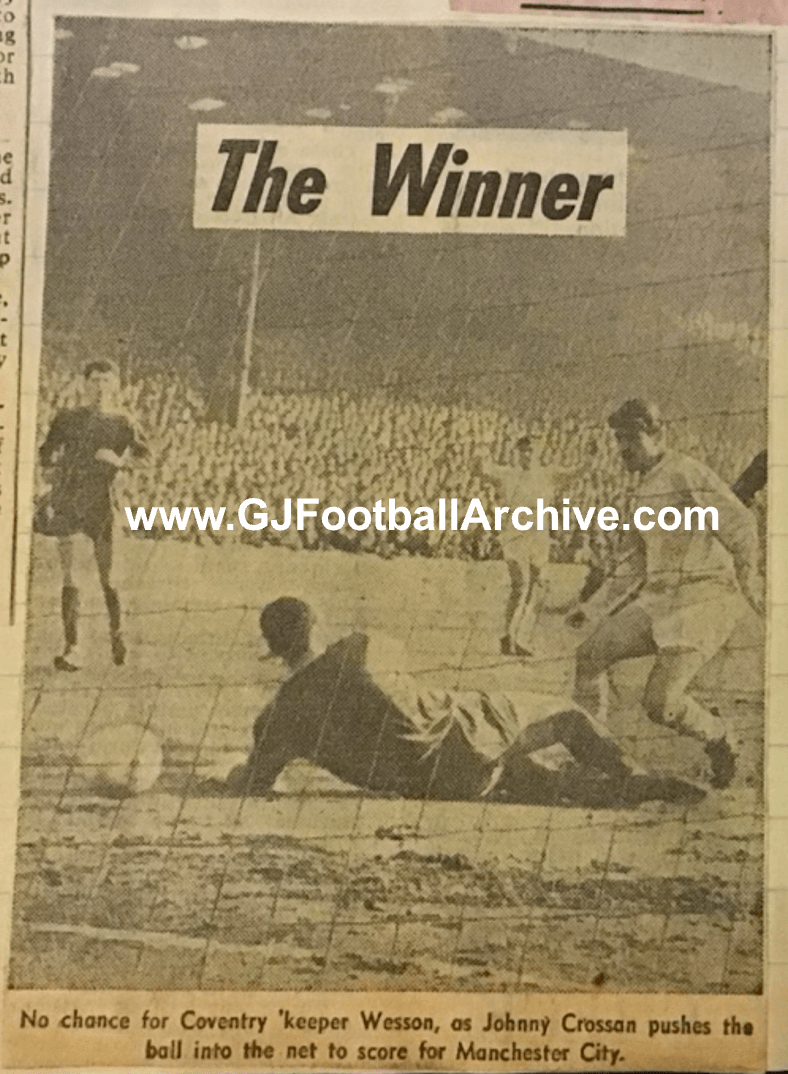
Today (19 February) in 1966 a goal from captain Johnny Crossan brought City a 1-0 win over Jimmy Hill’s Coventry City and prompted City boss Joe Mercer to say that his side were not good enough for promotion. He was joking after some criticism that day and was able to point to the League table which showed City top of the Second Division. Were you at Maine Road that day? If you were please feel free to add your comments. Here for subscribers is a contemporary match report from this game:
Subscribe to get access
Read more of this content when you subscribe today. It costs £3 per month (cancel anytime) or sign up for a year at a time at a discounted price of £20 per year. This gives access to every article, book, interview etc. posted to the site so far. Why not sign up for a month and see what you think?
You can find out more on Manchester City during the 1965-66 season by reading the following 4100 word article. As with most of the other features in this series it includes words from interviews I have performed with those who were there. This is a subscriber article (see below).
Subscribe to get access
Read more of this content when you subscribe today. It costs £3 per month (cancel anytime) or sign up for a year at the discounted price of £20 per year (works out £1.67 per month). Subscribers access the 1000+ articles posted so far and the others scheduled during the life of your subscription.
If you enjoy all the free material on my website and would like to support my research and keep this website going (but don’t want to subscribe) then why not make a one-time donation (or buy me a coffee). All support for my research is valued and welcome. It allows me to keep some free material available for all. Thanks.
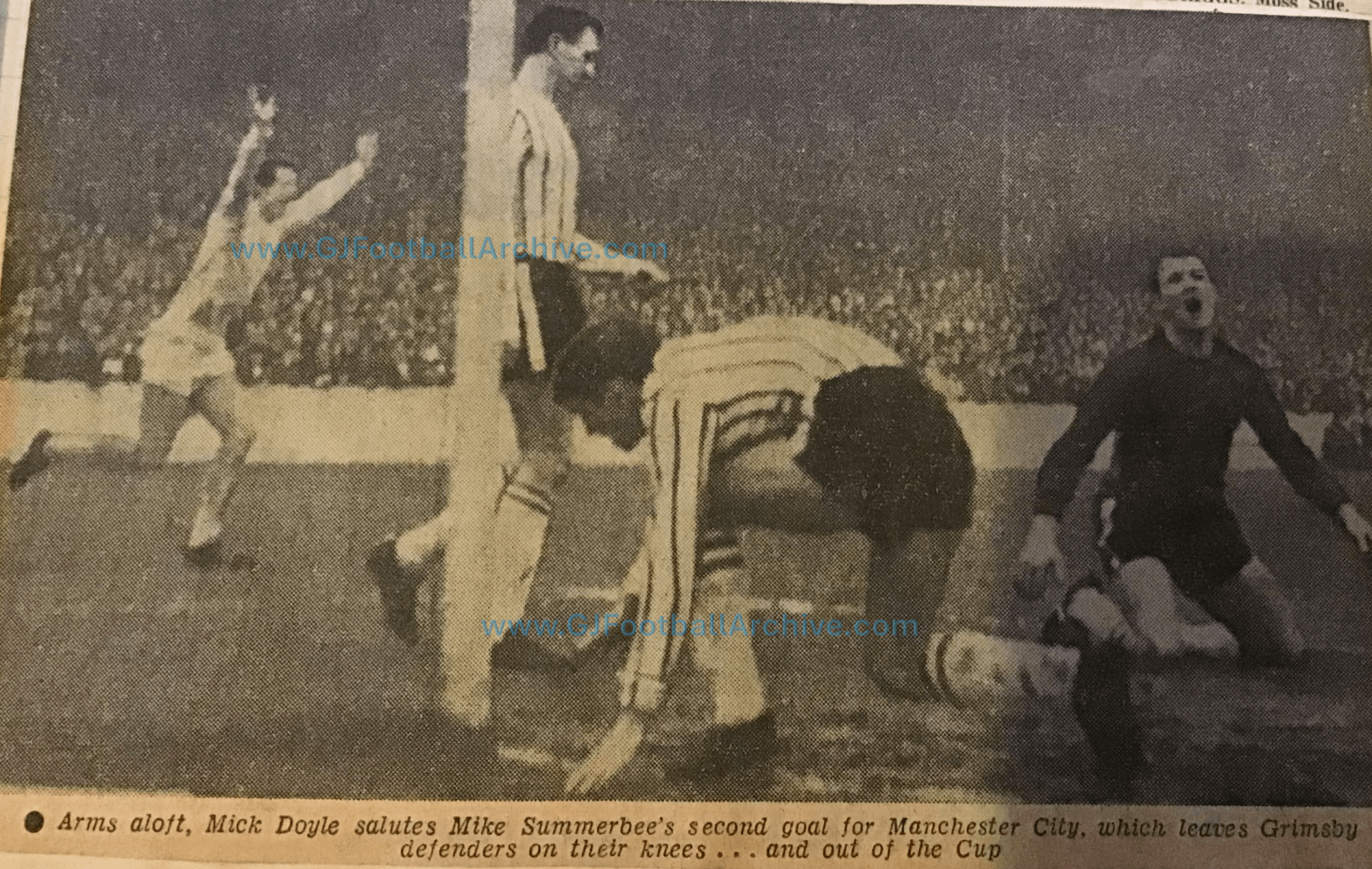
Today (12 February) in 1966 a goal from Mike Summerbee and an own goal brought City a 2-0 FA Cup win over Grimsby Town. The victory brought great praise City’s way. Were you at Maine Road that day? If you were please feel free to add your comments. Here for subscribers are match reports from this game:
Subscribe to get access
Read more of this content when you subscribe today. It costs £3 per month (cancel anytime) or sign up for a year at a time at a discounted price of £20 per year. This gives access to every article, book, interview etc. posted to the site so far. Why not sign up for a month and see what you think?
You can find out more on Manchester City during the 1965-66 season by reading the following 4100 word article. As with most of the other features in this series it includes words from interviews I have performed with those who were there. This is a subscriber article (see below).
Subscribe to get access
Read more of this content when you subscribe today. It costs £3 per month (cancel anytime) or sign up for a year at the discounted price of £20 per year (works out £1.67 per month). Subscribers access the 1000+ articles posted so far and the others scheduled during the life of your subscription.
If you enjoy all the free material on my website and would like to support my research and keep this website going (but don’t want to subscribe) then why not make a one-time donation (or buy me a coffee). All support for my research is valued and welcome. It allows me to keep some free material available for all. Thanks.
 Gary James' Football Archive