Merry Christmas. If you’re bored and wondering what to do (I know… unlikely), here’s an article for subscribers. Today I’m focusing on Manchester emblems and, in particular, those used by Manchester City over the years. City’s current badge has been worn on shirts since summer 2016 after first being revealed at Christmas 2015, but its roots go back decades with City developing a round badge by the 1930s.
Here for subscribers is a 1500 word piece on the development of badges at City and United. Enjoy!
Subscribe to get access
Read more of this content when you subscribe today. It costs £20 a year (works out about £1.67 a month) and you get access to everything on the site and help future research into Manchester’s football history.
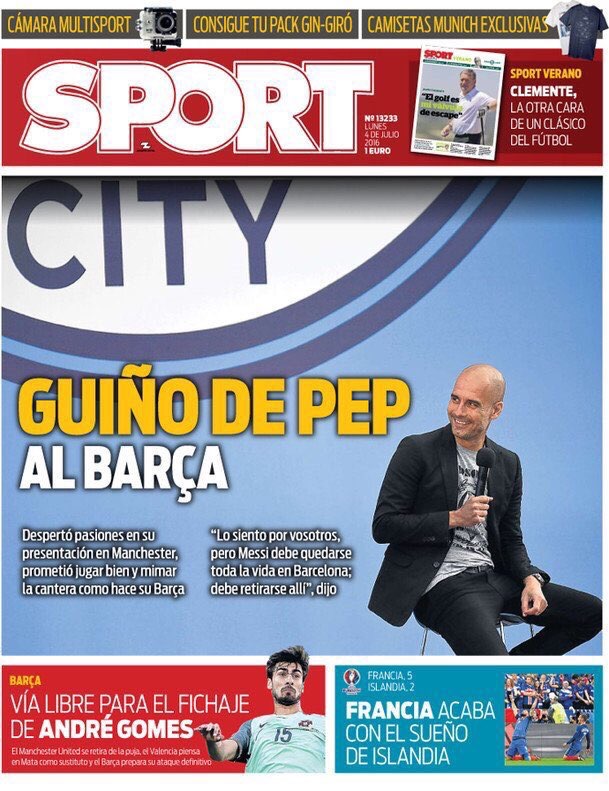
On this day (3 July) in 2016 the new Manchester City badge was officially launched at the Cityzens Weekend. It was also the formal official welcome for new manager Pep Guardiola. There was a surreal moment for me when I was asked to go on stage to be interviewed about the new badge.
I had been consulted by the club on the history of all of City’s badges, emblems and similar for about a year or so, and had performed a series of talks to fans throughout the consultation period.
This was the most detailed badge consultation had ever performed with fans at any club – sadly too many clubs impose a badge without listening to fans. Doing the talks as part of the consultation helped bring out the stories of each emblem and why it was significant – or not! Understanding why, for example, the red rose was introduced in 1972 following the takeover of the club by Joe Smith & Co. or how the 3 emblazoned lines had always been a part of City’s badge (apart from 1972 and the Swales years that followed) helped some determine what elements mattered most to them.
You can find out more about City’s badge history here:
In 2016 I was the warm up act for Pep so it’s a wonder anybody listened. It was a great, positive day for the club and for all of us there. The years since Pep’s arrival have been truly outstanding. We all had hope on this day in 2016 but who’d have thought it would have been as great as it has been?
The series of articles covering Manchester City in the 1990s continues today with an indepth article on the 1997-98 season. The article is almost 9,500 words long – there’s so much to say! Some people write entire football club histories that are shorter than that. It’s available to subscribers, so why not subscribe and relive this season and an extraordinary decade? As with all these 1990s subscriber features it contains material from interviews I’ve performed with key figures from that time.
Here’s the 9500 word article on that season:
Subscribe to get access – Monthly
Read more of this content when you subscribe today. It costs £3 per month (cancel anytime) to access everything posted since 1 October 2022 or there’s a special annual rate below which gives greater access and works out much cheaper.
Read more of this content when you subscribe today. It costs £3 per month (above) or £20 a year (here) to access everything posted since the site was created in December 2020. This special rate works out about £1.67 a week and gives access to everything posted, including PDFs of 3 of my books.
This series of articles and features will run throughout March with indepth articles some days and smaller ‘on this day’ style posts on others. There will be flashbacks to great games, players and more. Every day in March will offer something to enjoy.
Subscribers will get access to everything, while some on this day material will be free for all to view.
If you want to know more on this incredible decade for Manchester City Football Club then why not subscribe and read it all? If you’d like to know more about subscribing then see:
I was recently interviewed for the Christie Scanlon podcast and the video has now been posted. I talk about origins of both City and United, City’s badge consultation, chants and much more. It lasts about one hour and you can watch it on Christie’s channel here:
I enjoyed doing this and Christie’s a good interviewer and host. It looks like Christie’s used an automated captioning software that has made a few typos with names etc. – that’ll be because of my accent – but listen and watch. I’m sure you’ll enjoy it.
Today I’m focusing on Manchester emblems and, in particular, those used by Manchester City over the years. The club’s current badge has been worn on shirts for over six years after first being revealed at Christmas 2015 and worn from summer 2016, but its roots go back decades with City developing a round badge by the 1930s.
Here for subscribers is a 1500 word piece on the development of badges at City and United. Enjoy!
Subscribe to get access
Read more of this content when you subscribe today. It costs £20 a year (works out about £1.67 a month) and you get access to everything on the site and help future research into Manchester’s football history.
The British Society of Sports History (BSSH) is a tremendous body of academics and historians who research, promote and progress the role of history within sport. I have been a member for many years and recently, to celebrate their 40th anniversary, I was asked to write an article offering advice, ideas & more to those researching sport history. The article has recently been published and can be downloaded here for free (follow the link below):
In the article I talk of the great work being done by several historians, including Tosh Warwick and Tony Collins, and sports clubs. I talk about research into women’s football at Manchester City and the club’s badge redesign project.
It will only be free to download for the month of October, so get it while you can. Thanks to the BSSH for giving me this opportunity.
You can find out more about the BSSH and what they do here:



 Gary James' Football Archive