The Origins Of Manchester City: The Earliest Known Game

Continuing here: the story of Manchester City’s origins. Today’s feature is a 3,300+ word feature on the earliest known game, played in November 1880. Have a look elsewhere on the site for other content on this period.

Subscribe to get access

These articles will be available to subscribers to this site. It costs £3 per month (cancel any time) or sign up for a year for the discounted price of £20 per year (works out about £1.67 a month to access every article on this site). To date in excess of 1,500 articles/features have been posted including interviews, talks and more.

If you enjoy all the free material on my website and would like to support my research and keep this website going (but don’t want to subscribe) then why not make a one-time donation (or buy me a coffee). All support for my research is valued and welcome. It allows me to keep some free material available for all. Thanks.

Choose an amount

£2.50
£5.00
£7.50

Or enter a custom amount

£

Your contribution is appreciated.

Donate

The Origins Of Manchester City: The Late 1870s

Continuing here: the story of Manchester City’s origins. Today’s feature is on the late 1870s. Association football clubs were in existence in Manchester during this period and the steps that led to the formation of St Mark’s West Gorton occurred too. Below is a 2,500+ word article on that period and the latest part of a series looking at Manchester City’s origins prior to 1890.

Already there are seasonal articles on every season from 1890-91 (Ardwick) through to 2009-10 and now, throughout February, I’ll be adding the history of the Club prior to 1890. I’ll be telling via a series of articles the story of key individuals/origins/moments that contributed to the establishment of a football club. The series continues below with this feature on the late 1870s.

Subscribe to get access

These articles will be available to subscribers to this site. It costs £3 per month (cancel any time) or sign up for a year for the discounted price of £20 per year (works out about £1.67 a month to access every article on this site). To date in excess of 1,500 articles/features have been posted including interviews, talks and more.

If you enjoy all the free material on my website and would like to support my research and keep this website going (but don’t want to subscribe) then why not make a one-time donation (or buy me a coffee). All support for my research is valued and welcome. It allows me to keep some free material available for all. Thanks.

Choose an amount

£2.50
£5.00
£7.50

Or enter a custom amount

£

Your contribution is appreciated.

Donate

The Origins Of Manchester City: The Early 1870s

Continuing here: the story of Manchester City’s origins. Today’s feature is on the early 1870s. Association football clubs were starting to develop in Manchester, although the clubs that led to the formation of Manchester City were still a few years off. Below is a 1000+ word article on that period and the latest part of a series looking at Manchester City’s origins prior to 1890.

Already there are seasonal articles on every season from 1890-91 (Ardwick) through to 2009-10 and now, throughout February, I’ll be adding the history of the Club prior to 1890. I’ll be telling via a series of articles the story of key individuals/origins/moments that contributed to the establishment of a football club. The series continues below with the second feature on the early 1870s.

Subscribe to get access

These articles will be available to subscribers to this site. It costs £3 per month (cancel any time) or sign up for a year for the discounted price of £20 per year (works out about £1.67 a month to access every article on this site). To date in excess of 1,500 articles/features have been posted including interviews, talks and more.

If you enjoy all the free material on my website and would like to support my research and keep this website going (but don’t want to subscribe) then why not make a one-time donation (or buy me a coffee). All support for my research is valued and welcome. It allows me to keep some free material available for all. Thanks.

Choose an amount

£2.50
£5.00
£7.50

Or enter a custom amount

£

Your contribution is appreciated.

Donate

The Origins Of Manchester City: The 1860s

Continuing here: the story of Manchester City’s origins. Today’s feature is on the 1860s. As I’ve mentioned previously, this was before association football clubs were in existence in East Manchester but steps were taken in the this decade that would ultimately lead to the establishment of teams in West Gorton. Below is a 1500+ word article on that period and the second part of a series looking at Manchester City’s origins prior to 1890.

Already there are seasonal articles on every season from 1890-91 (Ardwick) through to 2009-10 and now, throughout February, I’ll be adding the history of the Club prior to 1890. I’ll be telling via a series of articles the story of key individuals/origins/moments that contributed to the establishment of a football club. The series continues below with the second feature on the 1860s.

Subscribe to get access

These articles will be available to subscribers to this site. It costs £3 per month (cancel any time) or sign up for a year for the discounted price of £20 per year (works out about £1.67 a month to access every article on this site). To date in excess of 1,500 articles/features have been posted including interviews, talks and more.

If you enjoy all the free material on my website and would like to support my research and keep this website going (but don’t want to subscribe) then why not make a one-time donation (or buy me a coffee). All support for my research is valued and welcome. It allows me to keep some free material available for all. Thanks.

Choose an amount

£2.50
£5.00
£7.50

Or enter a custom amount

£

Your contribution is appreciated.

Donate

Starting Tomorrow: The Origins Of Manchester City

Already this website tells the story of Manchester City with seasonal articles on every season from 1890-91 (Ardwick) through to 2009-10 and throughout February I’ll be adding the history of the Club prior to 1890. Starting with material from the 1850s and the establishment of an organisation that was to play a major part in the establishment of the Club, I’ll be telling via a series of articles the story of key individuals/origins/moments that contributed to the establishment of a football club. The series starts tomorrow with the first feature on the 1850s. Watch this space!

Subscribe to get access

These articles will be available to subscribers to this site. It costs £3 per month (cancel any time) or sign up for a year for the discounted price of £20 per year (works out about £1.67 a month to access every article on this site). To date in excess of 1,500 articles/features have been posted including interviews, talks and more.

If you enjoy all the free material on my website and would like to support my research and keep this website going (but don’t want to subscribe) then why not make a one-time donation (or buy me a coffee). All support for my research is valued and welcome. It allows me to keep some free material available for all. Thanks.

Choose an amount

£2.50
£5.00
£7.50

Or enter a custom amount

£

Your contribution is appreciated.

Donate

True Blues – St Mark’s Community Leaders

Continuing the weekly series of ‘True Blue’ figures associated with the early years of Manchester City, here’s an article on the community leaders in St Mark’s, West Gorton, during the development of footballing activities in the 1870s & early 1880s. There are a lot of myths out there! You can find out more below:

Subscribe to get access – Annual

Read more of this content when you subscribe today. Annual subscribers can access all the articles, talks, books and interviews posted since December 2020 for an annual subscription of £20 (works out about £1.67 per month). There’s also a monthly subscription (see below).

Subscribe to get access – Monthly

Monthly subscribers can access all the articles, talks, books and interviews posted since 1 October 2022 for a monthly subscription of £3 (cancel any time).

There will be another ‘True Blue’ featured next Monday. Use the tag ‘True Blues’ to find other profiles in this series.

The Origins of Manchester City: Facts Not Fiction

Manchester City’s birth as City in April 1894 was a major landmark moment and is rightly celebrated today on the club’s badge. But, this came after over 14 years of development as a community club representing districts in east Manchester. For this subscriber piece I’ve decided to focus on the earliest years of the club that became City, focusing on the period before 1884. I explain some of the myths that have developed and highlight the facts.

The Origins

Manchester City’s birth as City in April 1894 was a major landmark moment and is rightly celebrated today on the club’s badge. But, this came after over 14 years of development as a community club representing districts in east Manchester. For this website piece today I’ve decided to focus on the earliest years of the club that became City, focusing on the period before 1884.

In the beginning

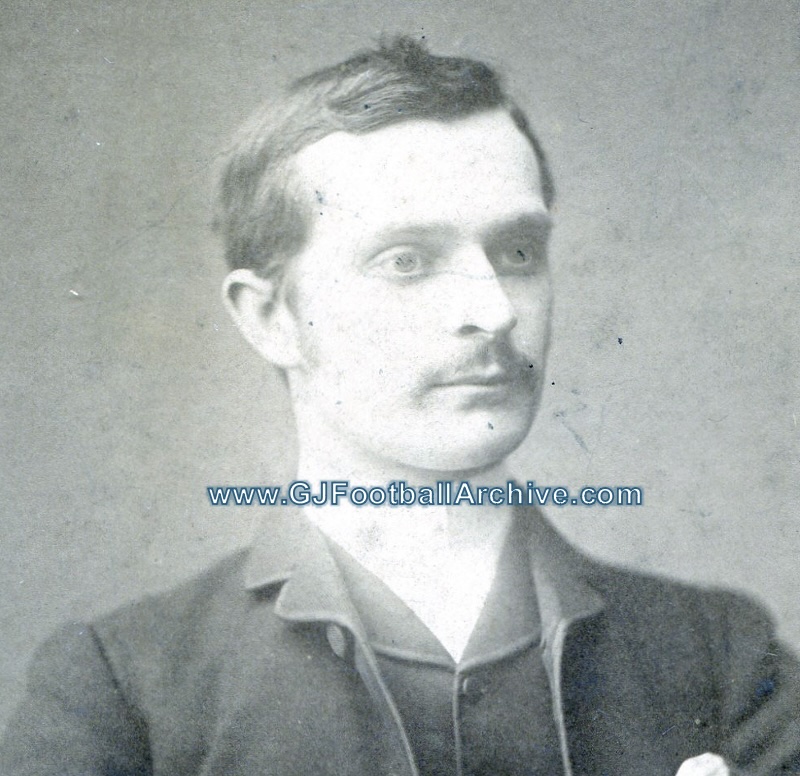
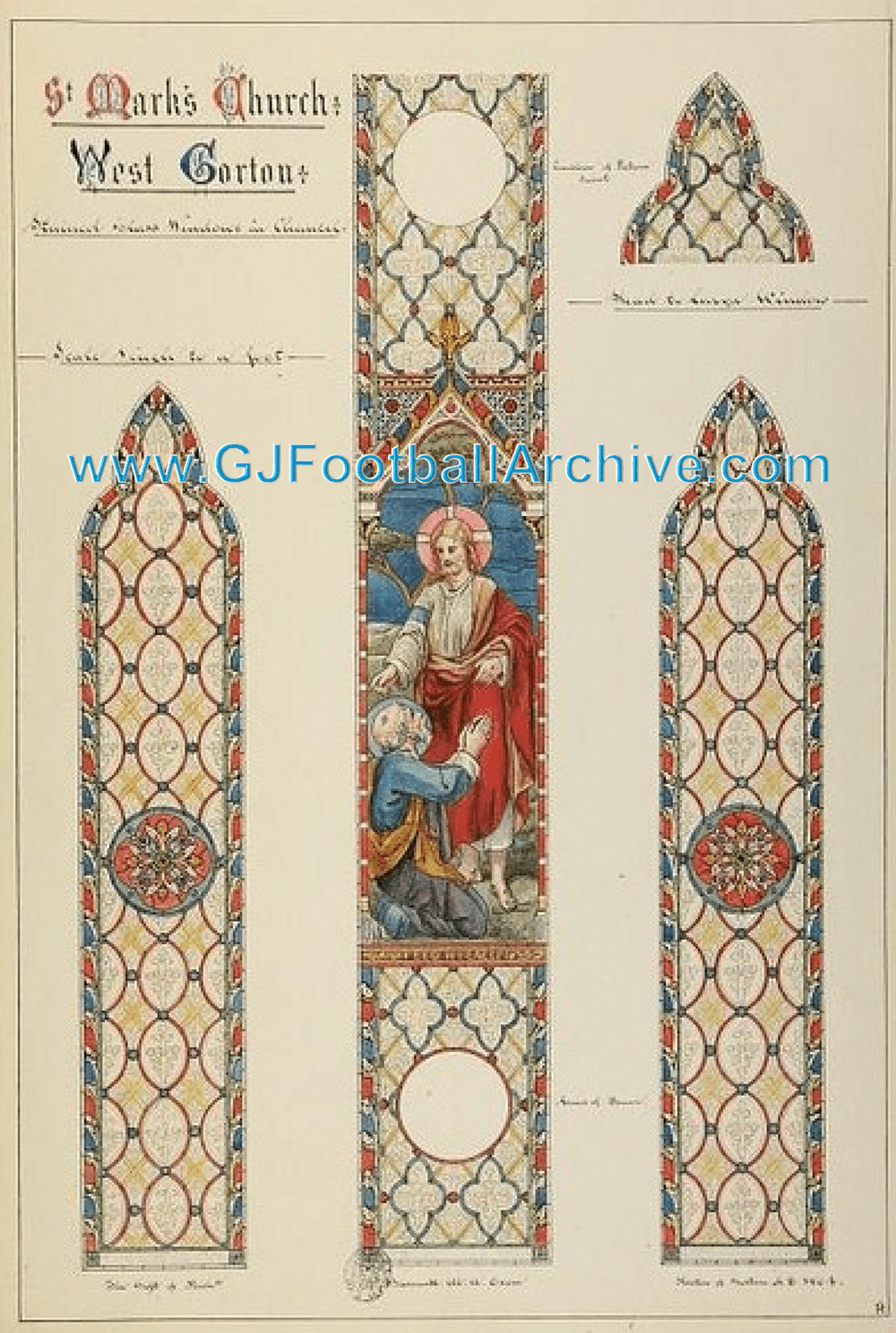
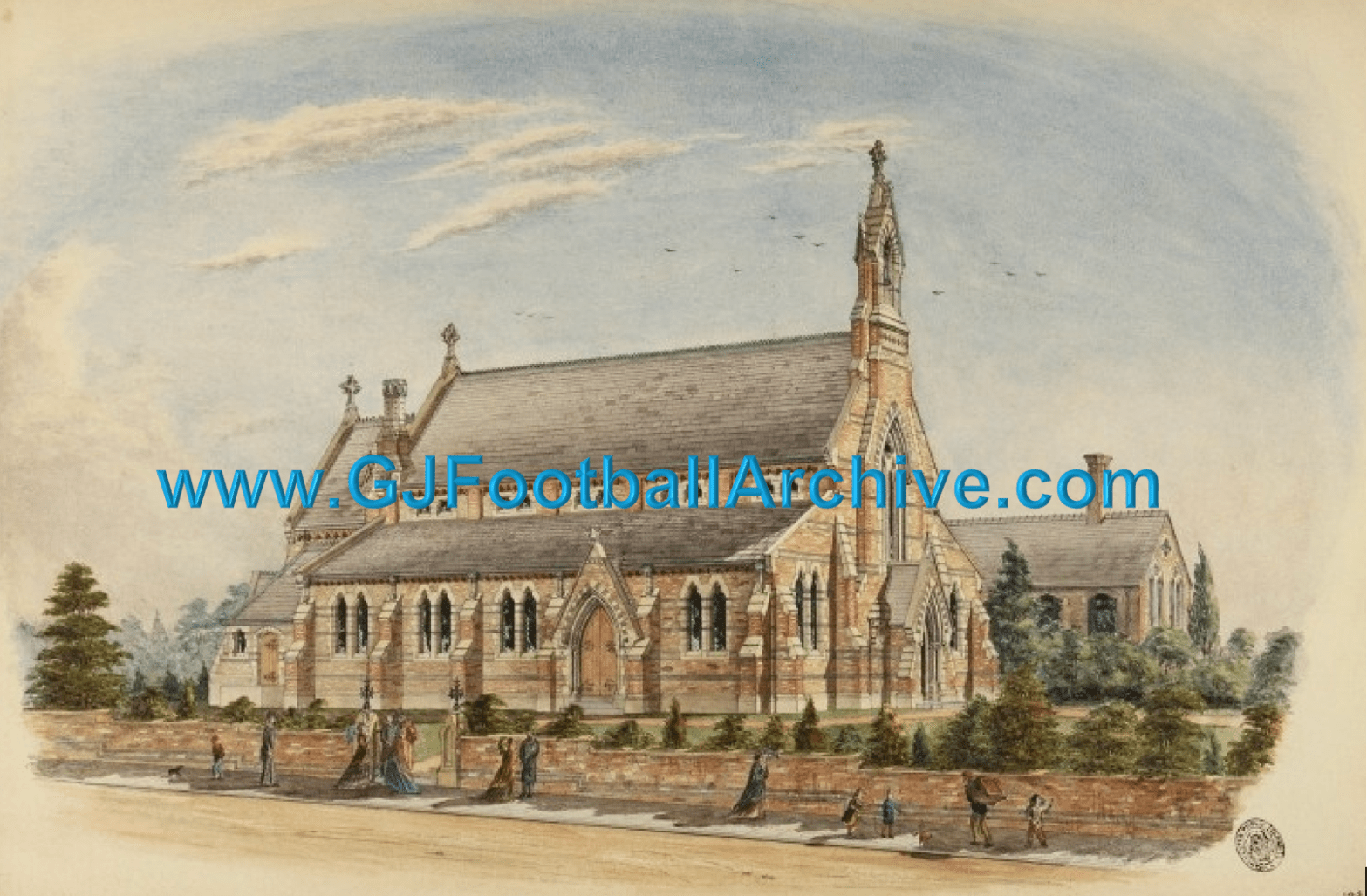
St Mark’s Church opened in West Gorton – a separate township to Gorton and outside the city’s boundaries at the time – in 1865. In the years that followed the rector Arthur Connell (pictured above) and his wife Anna worked tirelessly for the parish and as his family grew (he had a son and two daughters) they became involved in parish activities, especially his daughter Georgina. She established a number of initiatives while her siblings pursued careers elsewhere. Big sister Anna worked as a Governess, near Preston, returning by 1879 when she established a Working Men’s Club at St Mark’s.

Over the years many myths have developed and so it is important to spell out the facts as we know them based on the latest research. One of the myths is that Anna Connell established the football club. There is no evidence whatsoever that she actually did this. Prior to 1983 no publication ever credited the club’s formation to Anna and no contemporary reports mention her in connection with the football club at all. The story of how her name became linked is a long complicated one which I’ve spelt out in several publications, including Manchester: A Football History (2nd edition, 2010), Manchester The City Years (2012). My Manchester City Folklore book provides the latest research. Paul Toovey, author of several City books, has also analysed this period in great detail.

What is known

Within a couple of years of St Mark’s Church opening a cricket club was established. This played in the late 1860s and by the late 1870s had grown, comprising of at least two teams. Church Warden William Beastow was involved with the cricket team, as were his sons, and at some point in either 1879 or 1880 the younger men and boys decided to add other sporting activities. They established a rugby team and an association football team with both their earliest known games occurring in November 1880. Both the rugby and cricket teams eventually faded but the football team developed and grew. Beastow retained involvement with the sports clubs. 

By 1883 the football club dropped references to the church from its name and later that year it merged with another team called Belle Vue Rangers.

The Founders?


The desire to find names attached to the formation of any club is often fruitless. Historians search for firsts, founders and the like but the truth is that the birth of any organisation is rarely the idea of one person. With St Mark’s people have incorrectly linked the formation of the Working Men’s Club by Anna Connell with the founding of the St Mark’s Cricket Club and ultimately the formation of the football club by cricketers was seen by some as having a direct link to Anna (I fell for this myself for a while!). However, the cricket club predates the Working Men’s Club and, if match reports are anything to go by, it came to prominence at a time in the late 1860s/1870s when Anna was living near Preston. 

There’s no doubt that the community ethos espoused by the Rev Arthur Connell and some members of his family contributed to the well-being of St Mark’s parishioners and may have inspired some to establish clubs and activities, but none of the Connell family could be said to be founders of the football club. That was the boys and young men who played cricket.

One of the boys, Walter Chew, became a major figure in both our club’s history and in Manchester football. In later year he spoke on the BBC and to newspapers on several occasions of the birth of the club. To him it was perfectly clear who founded it and that was his older brother William and some of his friends. One of the older boys, William Sumner, is believed to have been the club’s first captain and his arrival in West Gorton around 1879 coincides with St. Mark’s move into both forms of football. He was an engineering student lodging in Gorton and was also a member of the St. Mark’s cricket club, though Walter did not name Sumner in his interviews.

Walter Chew did play his part in City’s formative seasons though. As well as appearing in some games (many of William’s appearances have previously been credited to Walter but both men did appear for the club in the early 1880s) he was the founder, alongside his cousin, of Belle Vue Rangers. He contributed to the purchase of the club’s first ball and in 1883 he was with the Rangers when they merged with West Gorton. 

There’s much more to be said and written about these formative years but after the merger between West Gorton and Belle Vue Rangers many of the players from the merged club established Gorton AFC in 1884 and, wearing their newly adopted black shirts with white cross pattee, they posed for their first team photo – the earliest known image of our club.

So, here we are around 140 years later. A club created by the boys and young men who played cricket within a supportive community environment encouraged by the church of St Mark’s.  The formation of the club was never about an individual, it was about building a team and community spirit.