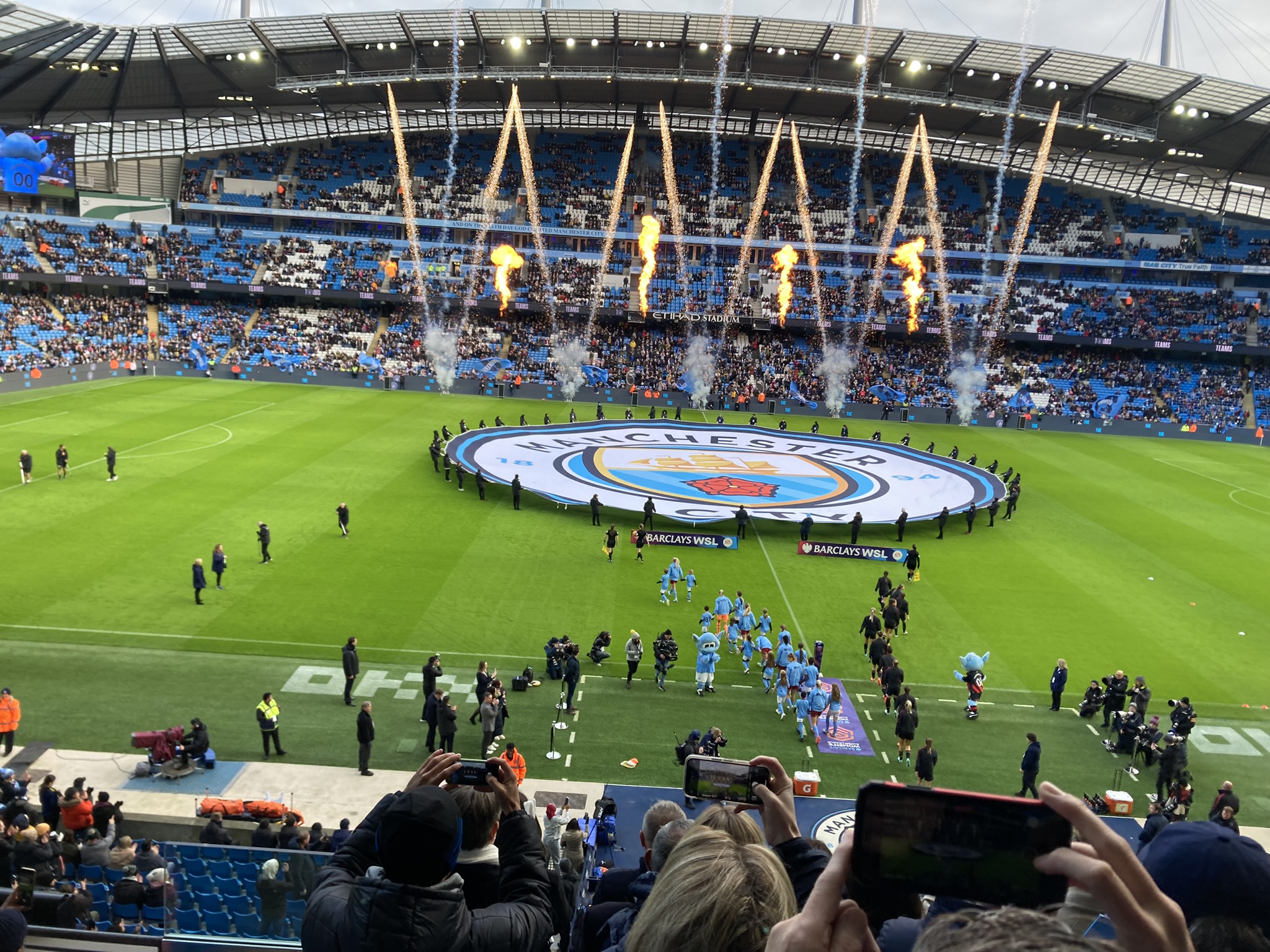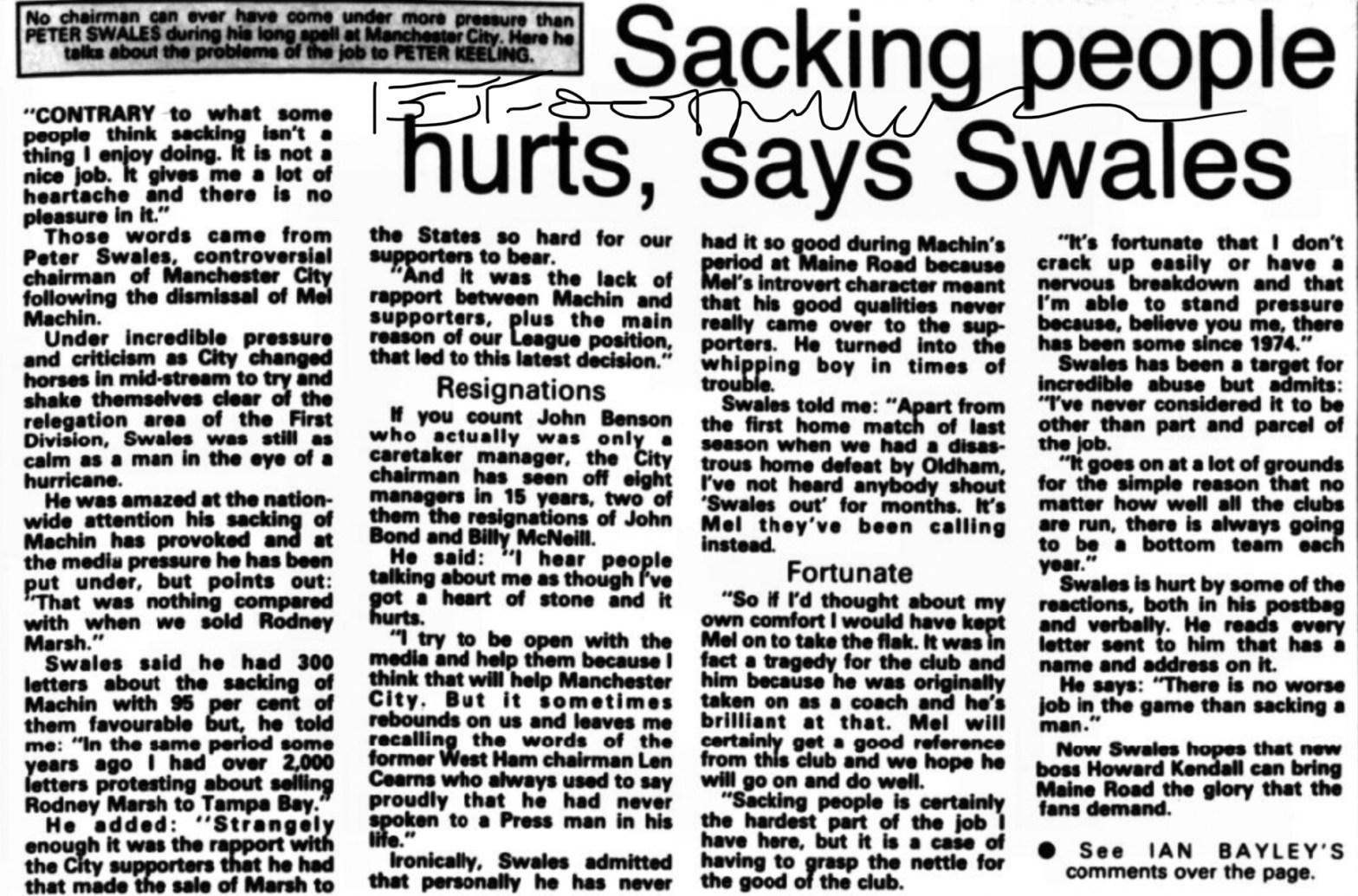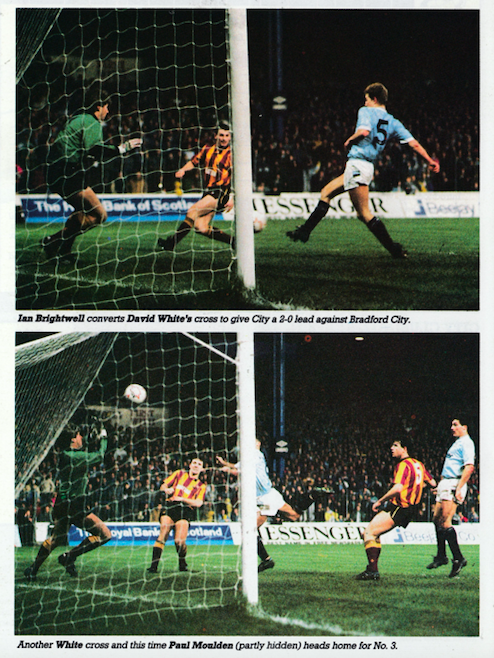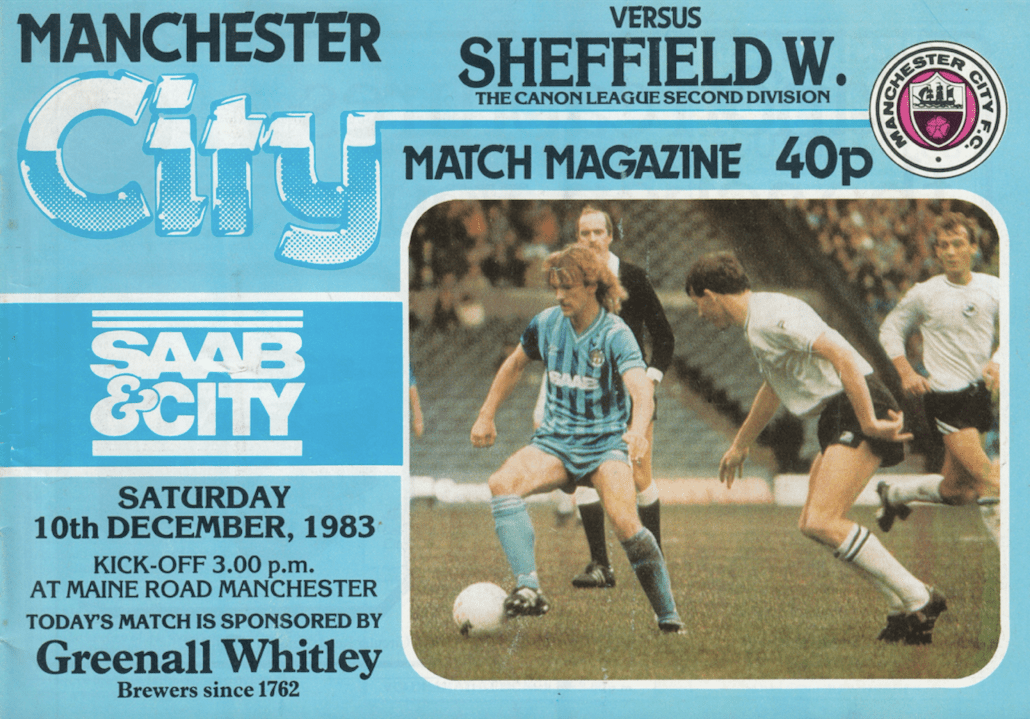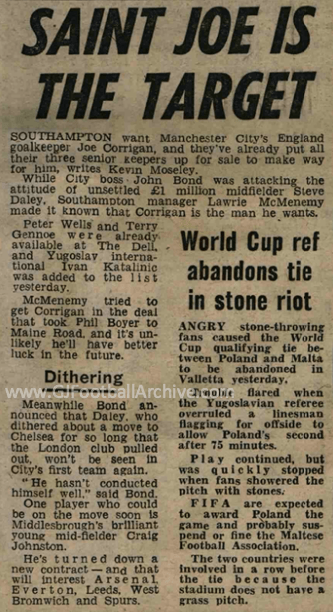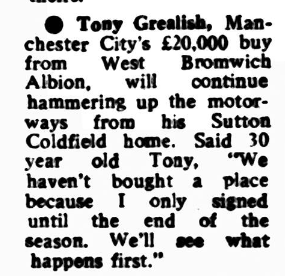
A new daily series of articles for subscribers starts today covering the 1980s. This will be a seasonal journey through a truly important decade in the history of Manchester City Football Club. Today’s article is a ten thousand word long read on the 1980-81 season. Enjoy!
Subscribe to get access – Monthly
Read more of this content when you subscribe today. It costs £3 per month (cancel anytime) to access everything posted since 1 October 2022 or there’s a special annual rate below which gives greater access and works out much cheaper.
Read more of this content when you subscribe today. It costs £3 per month (above) or £20 a year (here) to access everything posted since the site was created in December 2020. This special rate works out about £1.67 a week and gives access to everything posted, including PDFs of 3 of my books.
A new series of articles for subscribers starts covering the 1980s. This will be a seasonal journey through a truly important decade in the history of Manchester City Football Club. There will be a different season each day. Re-live the highs and lows of that decade.
If you’d like to read this series then please subscribe. Details below:
Late in 1993 Jimmy Wagg interviewed me on GMR about my new book on Joe Mercer. Next month it’ll be 30 years (I know!) since that book came out and so I thought I’d post the recording of the interview with Jimmy from that year. The quality is not great (neither are my answers at times!) but you can now hear the recording on my website.
If you want to hear why I did the book and the answers I gave back then have a listen now. Here goes (again apologies for the quality of the recording):
While you’re here why not have a look at all the other articles, interviews, videos and material on this site. Subscribers get access to everything and this includes PDFs of the entire Manchester A Football History book; From Maine Men To Banana Citizens (my first book) and Farewell To Maine Road. There are also audio recordings of my interviews with John Bond, Malcolm Allison, George Graham etc. It costs £3 per month or £20 per year. Details of how to subscribe below:
If you enjoy all the free material on my website and would like to support my research and keep this website going (but don’t want to subscribe) then why not make a one-time donation (or buy me a coffee). All support for my research is valued and welcome. It allows me to keep some free material available for all. Thanks.
The deadline for the last ever King of the Kippax fanzine has passed and I missed it. I meant to get something sent to Dave and Sue Wallace but circumstances meant I couldn’t and I really regret that. So instead I’m posting here a piece I wrote ten years ago in 2013 when there were a series of footballing anniversaries. It’s not quite what I intended but I hope it says enough of how I feel about fanzines and the role of King of the Kippax over the decades.
It’s a season of footballing anniversaries this year (2013). The FA celebrates 150 years, the Football League 125 and King of the Kippax an amazing 25 years. Of these three anniversaries KK is inevitably getting the least focus but in many ways its significance to football, or at least our team, has been greater during its first 25 years than the FA’s first 25.
The FA did little to support football in Manchester for decades and it wasn’t until Manchester’s clubs started to take the FA Cup seriously that the organisation began to matter. But even then the FA did its upmost to prevent our professional clubs from challenging properly. In 1904 when City became Manchester’s first FA Cup winners how did the FA react? They decided we must be doing something illegal and sent auditors to the club to determine if we had ‘bought’ success. Okay, so they found a few irregularities with a transfer from Glossop, but for the following year or so they relentlessly pursued our club (and to be fair did something similar with Newton Heath, who became United, and with Glossop). Ultimately, we received a devastating punishment and the club could have died. I won’t go on about how unjust all of this was – City were no worse than most sides the difference being that the FA was determined to catch us out! – but if you do want to read an account of it dig out my latest book “Manchester The City Years”.
Despite all of this the FA Cup actually gave City our first success and we should ensure we celebrate 23 April 1904 (the date of the final) every year – make St George’s Day City’s day!
The Football League was more supportive of City during those early years, but prior to 1892 the League had no involvement from either Manchester side despite the League holding its first meeting in Manchester. Our celebrations of the League should really come in 4 years’ time when it’ll be 125 years since City (as Ardwick) joined the League. Although it’s worth pointing out that Ardwick and Manchester City were two separate organisations – and stressed as such at the time – and even existed alongside each other for a short while (personally though, I see MCFC as a continuation of Ardwick in spirit if not in legal terms). From 1892 to 2002 (when City last competed in the Football League) the Football League was central to City’s life. The competition became City’s lifeblood as far as competition was concerned.
What about KK? Well, unlike the other two KK was significant to City and City fans from the start. It was born in an era when fans had much to say but little opportunity to be heard. Alongside the other fanzines born in the late 1980s KK gave us a voice and a shared understanding of what the issues at City and in football were. Before the fanzines our only real outlet was the Piccadilly Radio phone-in on Saturdays which came in to its own during the time James H Reeve was at the helm. We had no forums, blogs, tweets etc. We didn’t have phone-in shows on national radio or fan columns in newspapers. We didn’t have interaction with the club, other than via supporters clubs meetings which some fans saw as being too weak to challenge the club on key issues (I won’t get into all of that here, but it’s worth noting that some fans did feel the Supporters Club was too close to Peter Swales and, as he was often the cause of fan concerns, that caused some issues).
We did also have the Pink postbag in the Saturday sports paper, sadly no longer with us. Unfortunately, journalists on the paper in the late 80s would contact the club to get their views before publishing a controversial or critical letter (this happened with one from me in 1987 which presented evidence about an issue that mattered to fans but was ultimately swept under the carpet). Censorship and club propaganda was an issue at a time when the game was dying and fans were being treated appallingly.
King of the Kippax helped to give us a voice and helped highlight the issues. Staff at City would be sent out to buy the fanzine in its early days, while others would do all they could to limit the fanzine’s opportunity to question what was going on – proving the significance of the fanzine. I don’t want to get too giddy about what KK and the other fanzines achieved but it is important that we all understand what has been achieved. It’s a bit like the electoral system – people fought hard to get the vote in the face of adversity but today we take it all for granted. We think it’s always been like this. Now with social media it would be easy to forget what KK and the other fanzines have achieved. Many fanzines have stopped being produced, which makes it all the more important to celebrate KK’s 25th anniversary and to congratulate Dave, Sue and all the contributors over the years for what they’ve achieved. I still read KK from cover to cover and find all the regular contributors interesting. I don’t always agree with everything I read but, I guess, that’s always been the point. KK has promoted debate and encouraged fans to think about issues, and that’s how it should be.
I hope King Of The Kippax continues to provide a powerful outlet for fans for years to come. It’s important that we remember that before the fanzines we didn’t have a voice. Thanks Dave & Sue, and the others, for all you’ve done and continue to do for us.
Today (14 November) is the anniversary of the first appearance for Manchester City’s first team of Alan Oakes. Oakes is City’s record appearance holder and that all important first competitive appearance came in a 1-1 draw with Chelsea back in 1959.
The City scorer was Jack Dyson who had been out of action for two years with a broken leg and related complications. These two brief match reports suggest that Oakes had a good game.
Were you at this match? If so why not leave your memories below as comments. Thanks.
A new series of articles for subscribers starts covering the 1980s. This will be a seasonal journey through a truly important decade in the history of Manchester City Football Club. There will be a different season each day. Re-live the highs and lows of that decade.
If you’d like to read this series then please subscribe. Details below:
Yesterday’s 4-4 draw for Manchester City at Chelsea was heralded as a great game by the Sky TV pundits but of course, as fans, these sort of games never feel like great games at the time. They tend to feel like opportunities lost or maybe great comebacks depending on which side you support. Immediately after the game I was asked when City’s previous 4-4 draw was and I spent a few minutes thinking ‘I’ve never seen one before involving City, or have I?’ So, I then started to scour the material in my collection and was somewhat surprised to find it was against Grimsby in September 1950! Certainly many, many years before I was born.
My favourite goal yesterday was the one Haaland scored with his er… um… er… shorts area. The City scorers were: Haaland (25 minutes pen, 47 minutes), Akanji (45+1 minutes), Rodri (86 minutes) and for Chelsea (including two City old boys): Thiago Silva (29 minutes), Sterling (37 minutes), Jackson (67 minutes), Palmer (90+5minutes pen)
Yesterday wasn’t the first time City drew 4-4 at Chelsea and, coincidentally I’d tweeted about this before the game. I never expected history to repeat itself. You can read about that match via the link below. Incidentally, the game was in 1936-37 and City won the title that year. Will history repeat itself again?
If you enjoy all the free material on my website and would like to support my research and keep this website going (but don’t want to subscribe) then why not make a one-time donation (or buy me a coffee). All support for my research is valued and welcome. It allows me to keep some free material available for all. Thanks.
Today (13 November) is the anniversary of the earliest known game of association football played by St Mark’s Church in West Gorton, though I doubt it was actually the first game ever played by the boys of the parish. Detailed research has shown that the match took place on this day in 1880 at Farmer’s Field, off present day Wenlock Way, in West Gorton and was played against the Baptist Church from Macclesfield. It ended in a 2-1 defeat for the club who, rightly, is recognised as the roots of Manchester City. Both sides fielded 12 players.
Can I stress that this is the earliest reported game found so far and at no time is it described as the first game.
I’ve written and talked extensively on this game and the formation of the club (and sadly myths still appear and get repeated!) and you can find out much more elsewhere on this site or in my books (most importantly The Emergence of Footballing Cultures: Manchester 1840-1919 and Manchester The City Years). As I hinted earlier, there are lots of myths about the birth of St Mark’s (many of which will be spread today no doubt!) and the club that went through various changes that led to the creation of Manchester City in 1894. I would urge everyone to read the facts, rather than the fiction, Take a look at the following articles and talks:
On this day (12 November) in 1898 Manchester City’s tenth League game of the season saw them travel to promotion rivals Glossop North End. According to the Glossop Chronicle the attendance was 7,000 with over half the attendance coming from Manchester. City won the match 2-1 with goals from Gillespie and Meredith. The Chronicle reporter described the opener as ‘the softest I have ever seen.’ He went on: ‘Williams [Glossop’s ‘keeper] got down to stop the ball as it rolled quietly goalwards, but he completely missed it, although it was going so slowly it hardly rolled as far as the net.’
The Glossop match came in the middle of a 13 match unbeaten run, placing City as comfortable League leaders. The main photo is of Glossop in 1898 and the following is of City that same season.
It’s a game that is worth remembering to help those who react as if every loss or dropped point is a ‘tragedy’. Of course dropping points is disappointing but football seasons are long and games can end in defeat for teams who achieve incredible heights, so let’s remember this day (12 November) last year when Manchester City lost to Brentford. The game ended in a 2-1 defeat at the Etihad and this was the final match before the suspension of the season for the World Cup, which was played in November and December 2022.
You can watch highlights of the defeat below. I include this here simply to remind fans who do get carried away with every point dropped that the 2022-23 season ended with City as treble winners. The odd defeat happens. That’s football. Congratulations to Brentford on your victory that day.