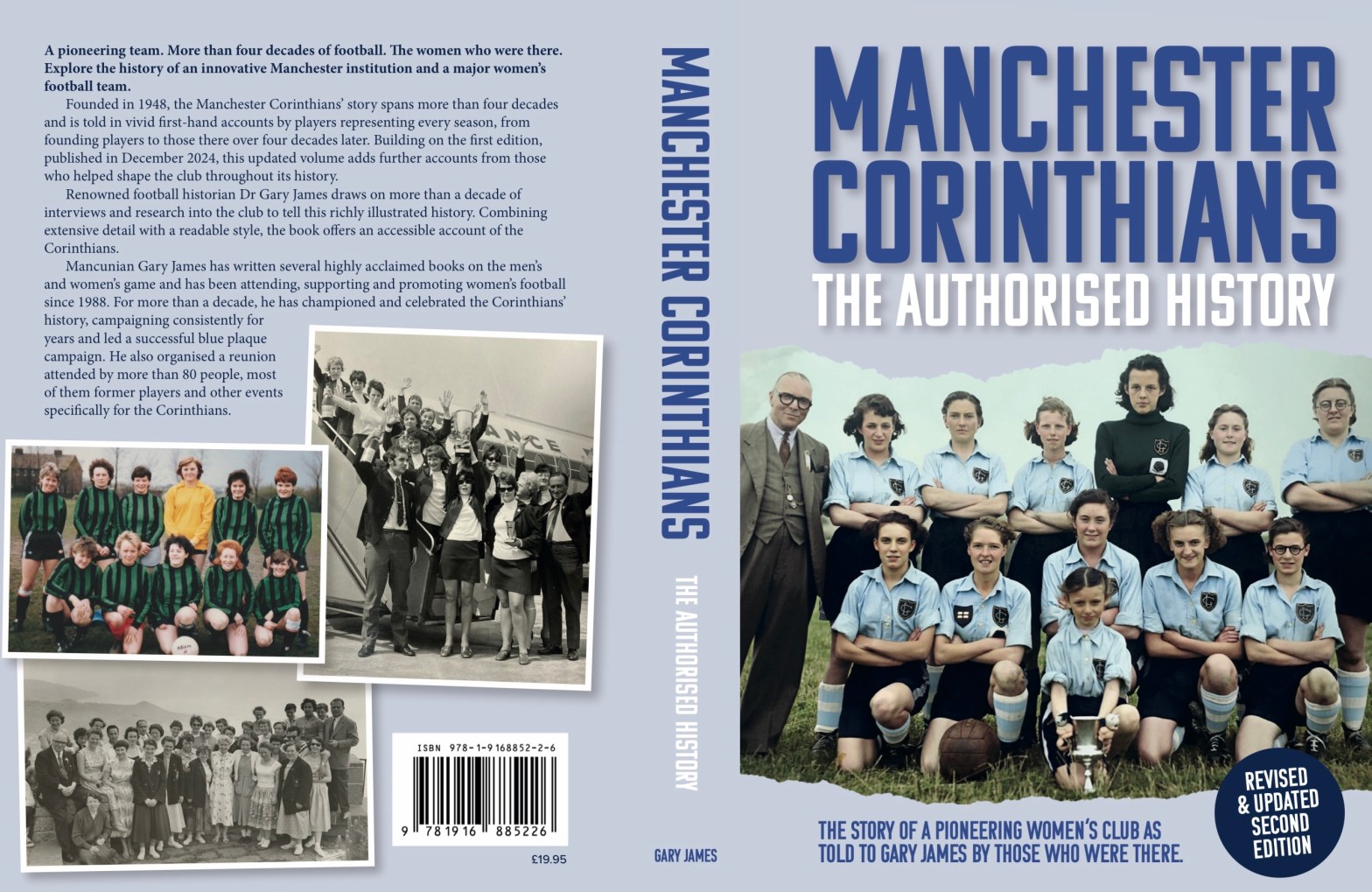
Manchester Corinthians 2nd Edition Cover

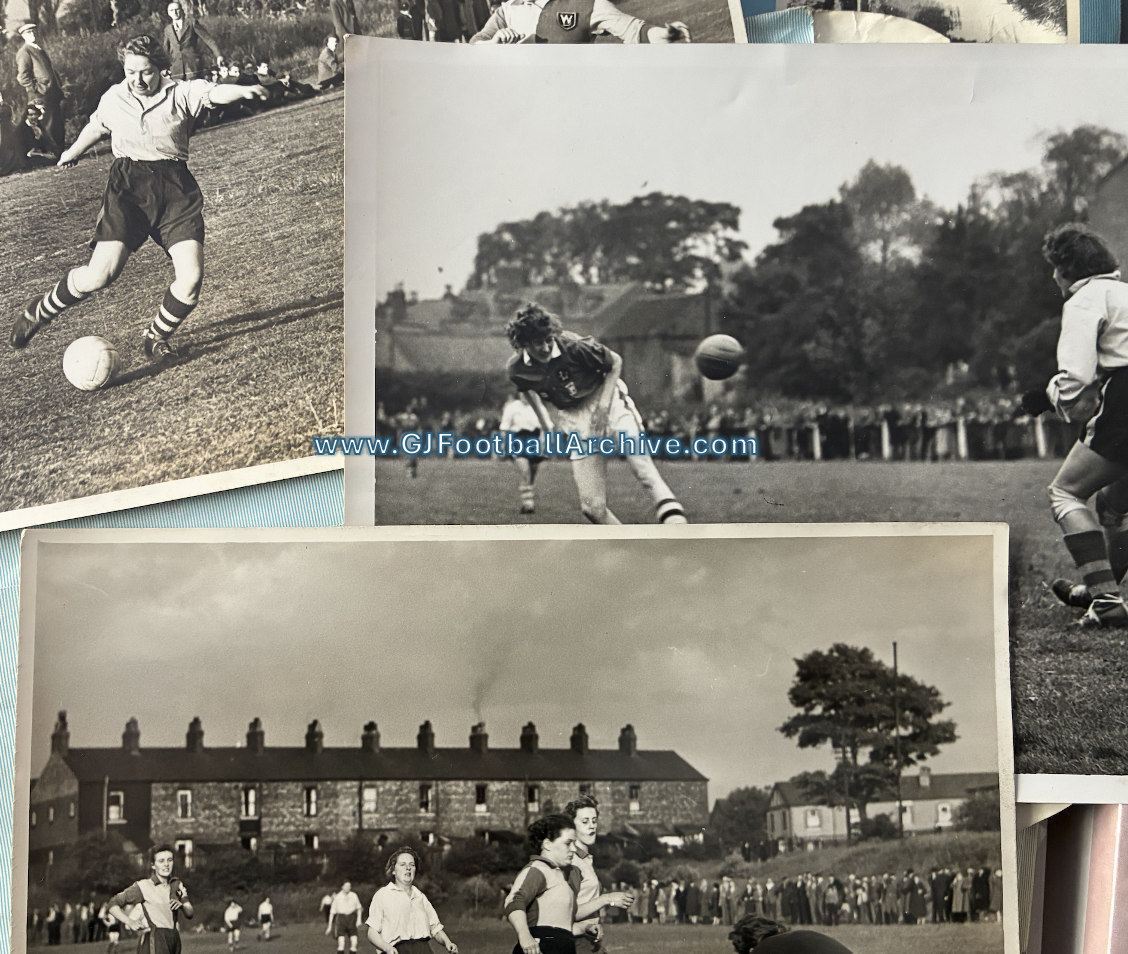
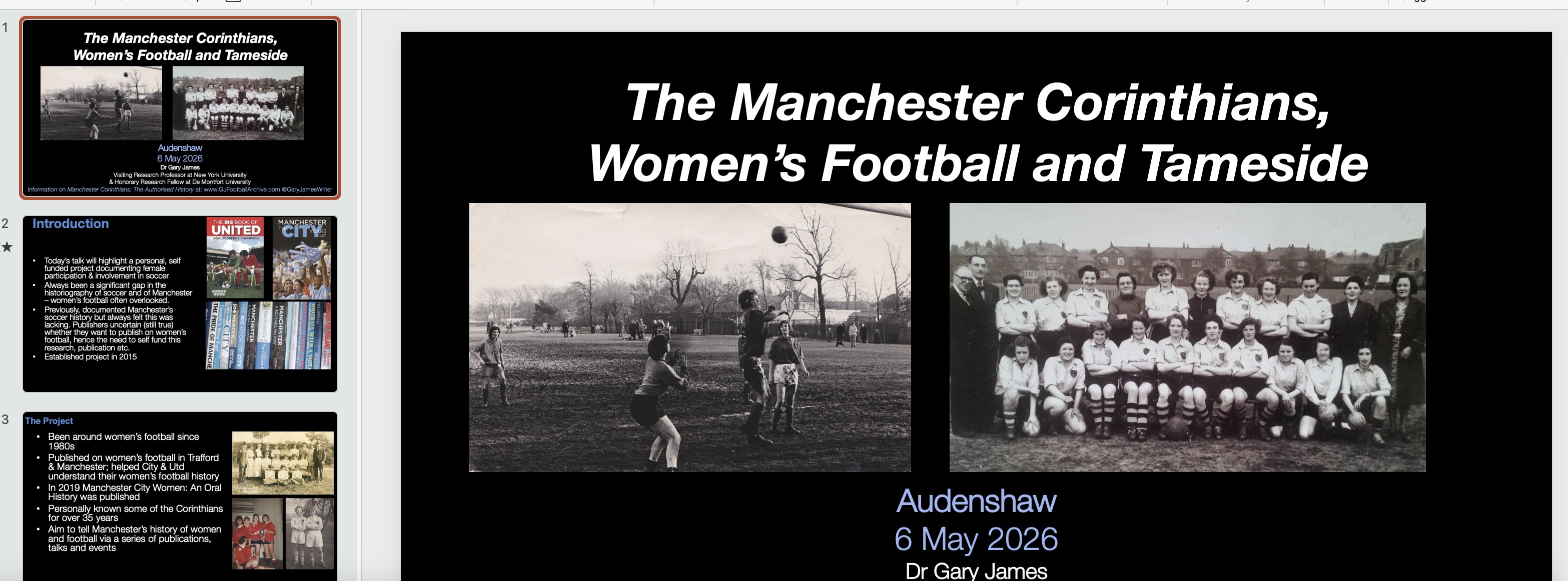
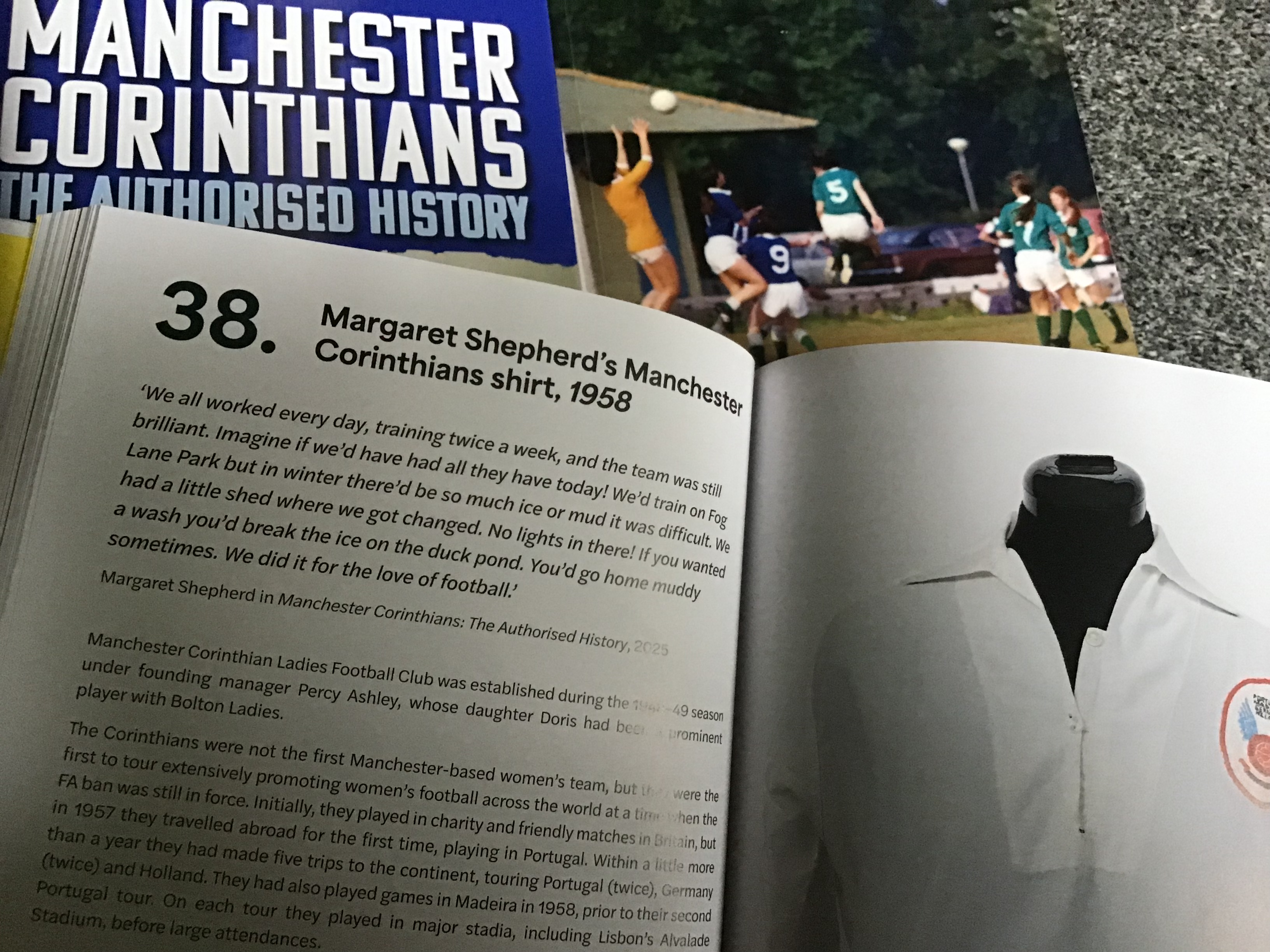
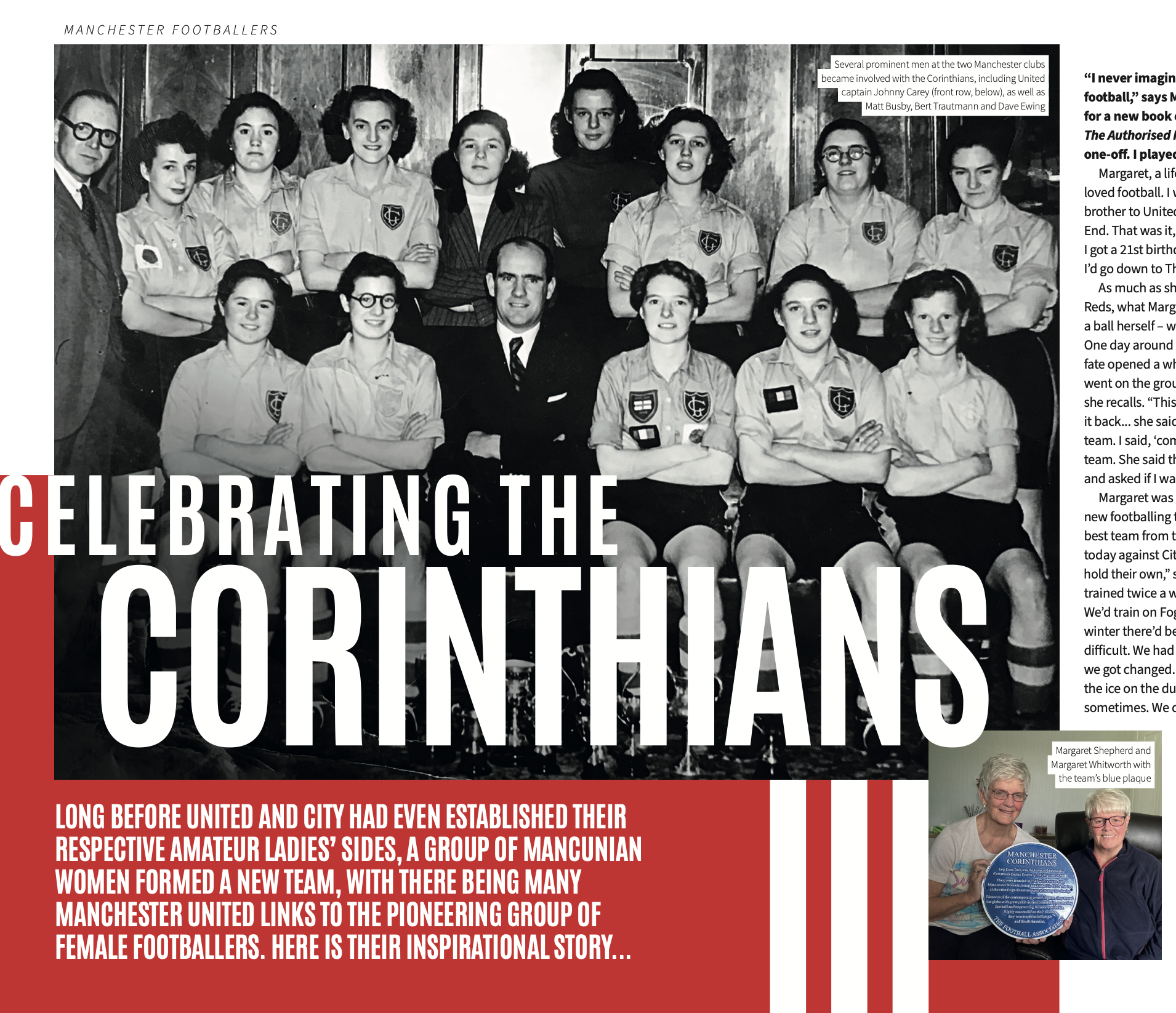
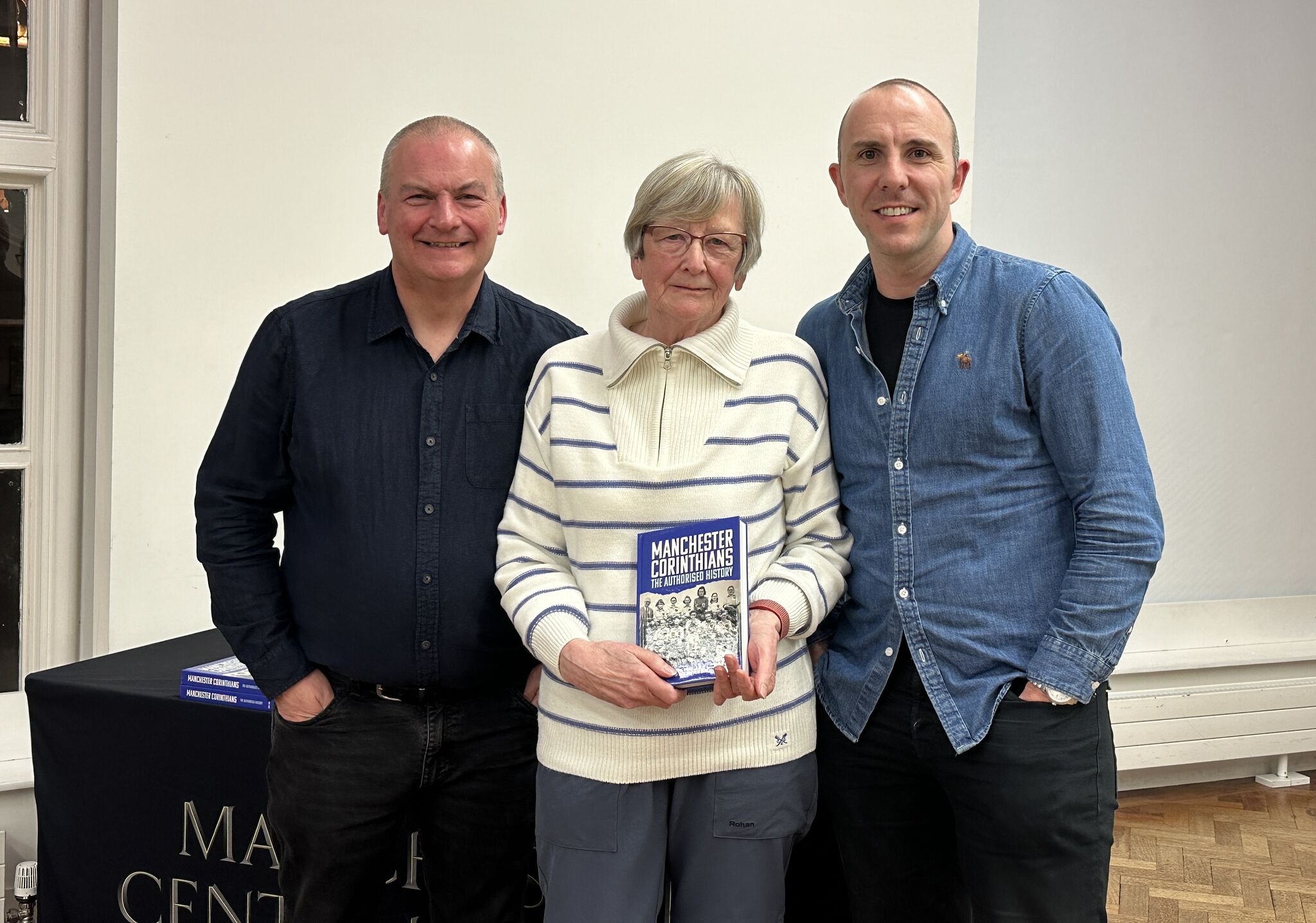
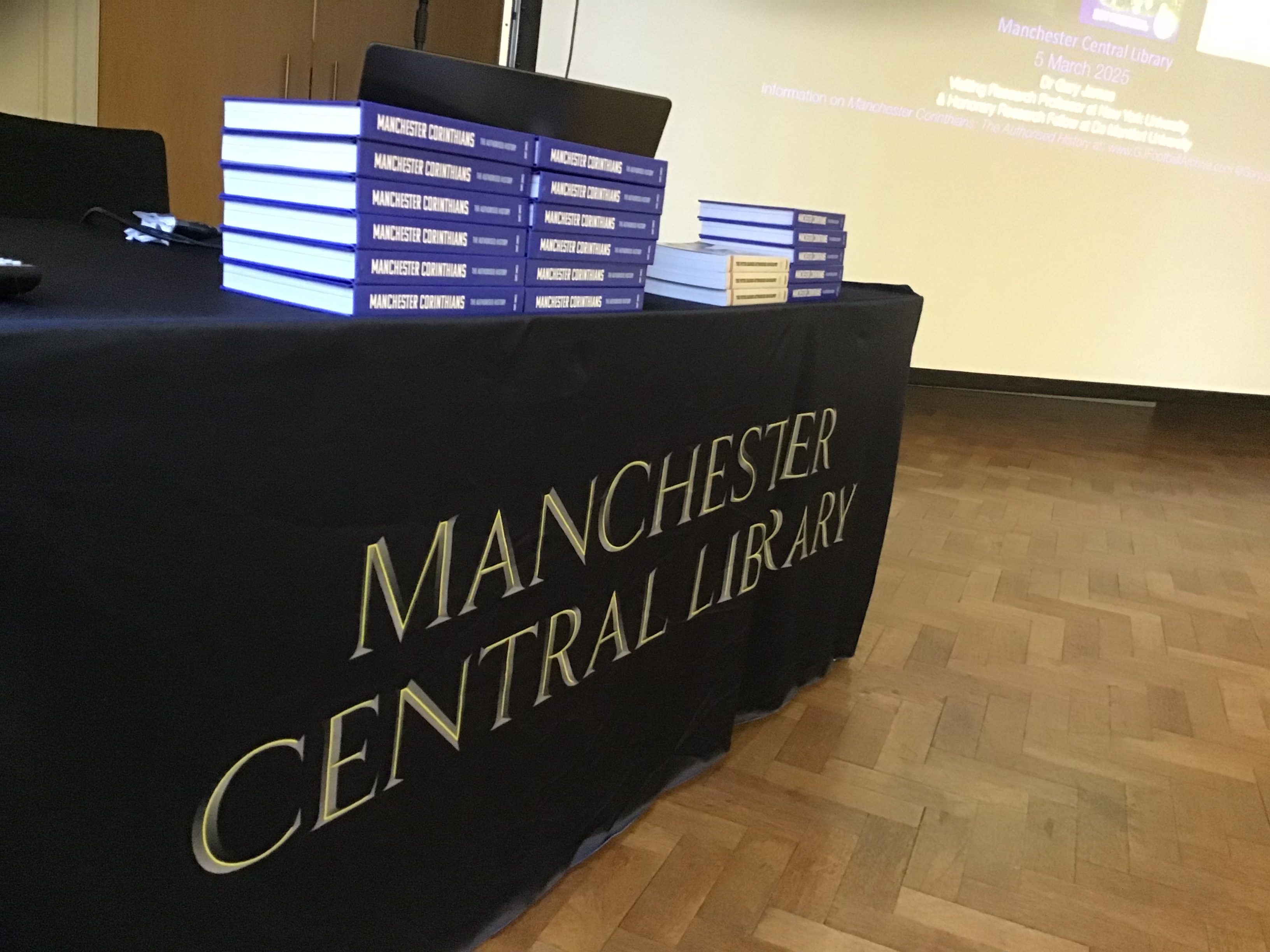
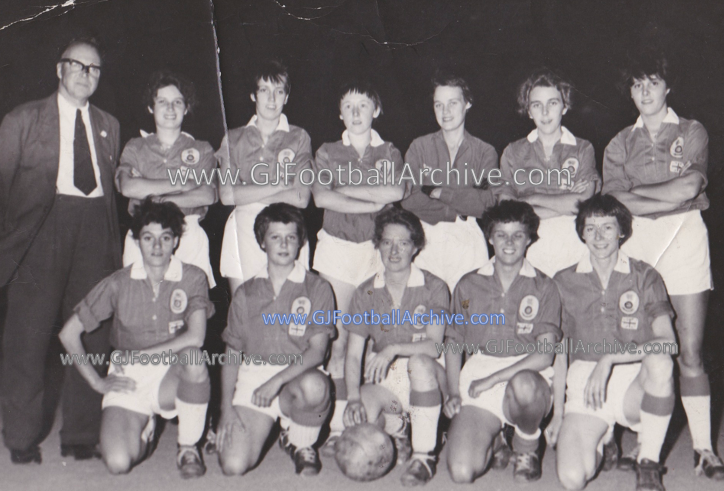
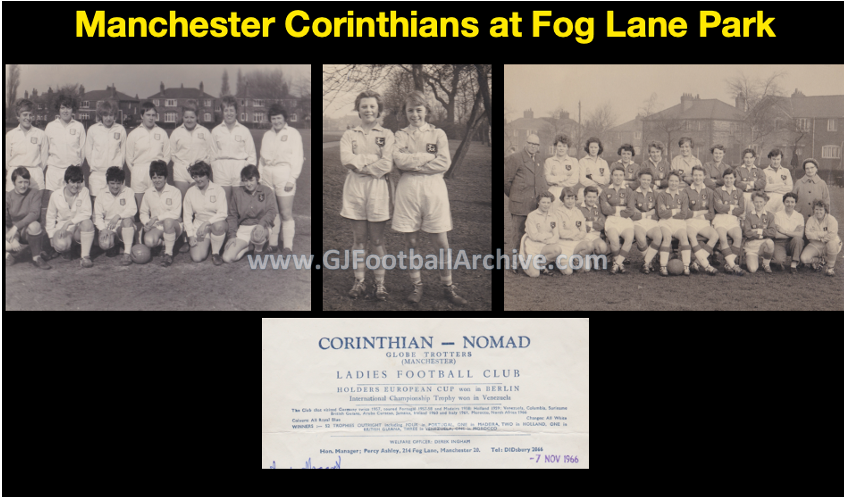
Here’s the draft cover for the latest edition of Manchester Corinthians: The Authorised History. The book’s at the designer and we’ve colourised the early image on the cover to show the 1940s players in their original kit colours. The new edition of the book includes a few extra stories from players who have come forward from the opening years in the 1940s and also some players from the 1950s. The quest to find other Corinthians remains. More on the book here:

If you missed it earlier this month I posted the following about my 11-year project into the history of women’s football in Greater Manchester.

When I began this project in 2015, there was no comprehensive, documented history of Manchester City’s early women’s team, nor of the pioneering Manchester Corinthians—two important teams that won leagues and competitions long before the establishment of the WSL. For years, many of the women who played for these teams felt excluded. Every time historians or the media repeated inaccurate assumptions, it felt as though those who played their part in building the foundations of the game were being deliberately erased from memory.

Over the past decade, this project has worked to change that by capturing the vital stories of players from the Corinthians, Nomads, All Stars, Dynamos, City, United, and beyond. The scale of this research includes:

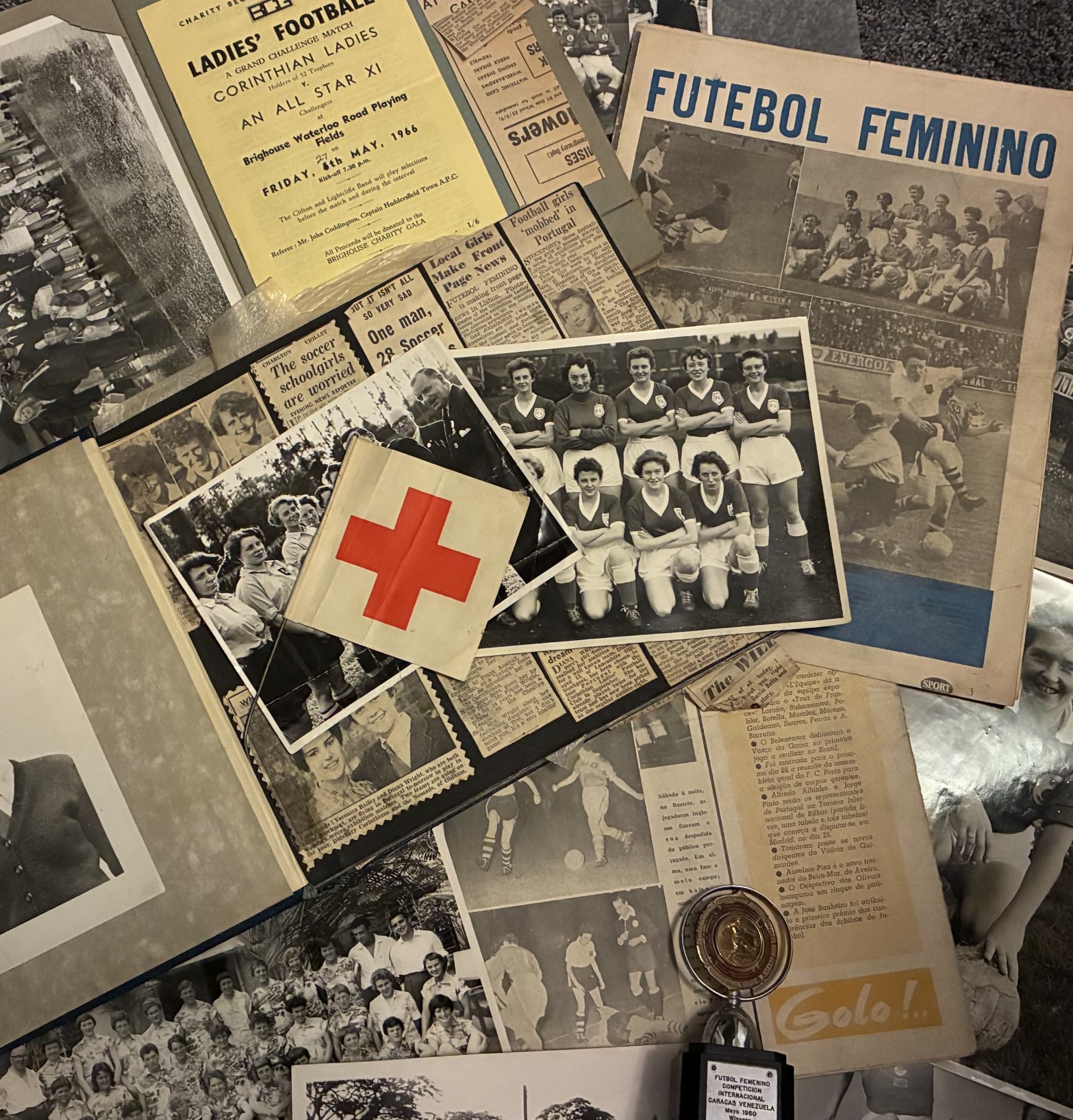
• Over 50 personal interviews with Manchester Corinthians players alone.
• Approximately 90 interviews and chats with female players, spanning from the 1940s to recent icons like Jill Scott.
• Uncovering multiple founding Corinthians from the original 1948 squad.
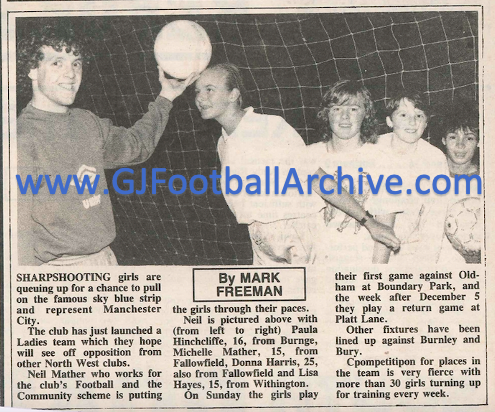
• Unearthing a vibrant 1950s community of women’s football clubs spanning the north, south, west and east of the conurbation (complemented by Steve Bolton’s valuable research into Manchester Ladies).

I am incredibly proud that this research has brought these narratives into the public consciousness. The history of women’s football in Manchester is vastly better known today than it was eleven years ago.

However, there is still work to be done. Despite a decade of progress, historical misconceptions and origin myths continue to be repeated. As a passionate advocate for the Corinthians and their sister clubs, my goal is always to protect their legacy by focusing strictly on facts.

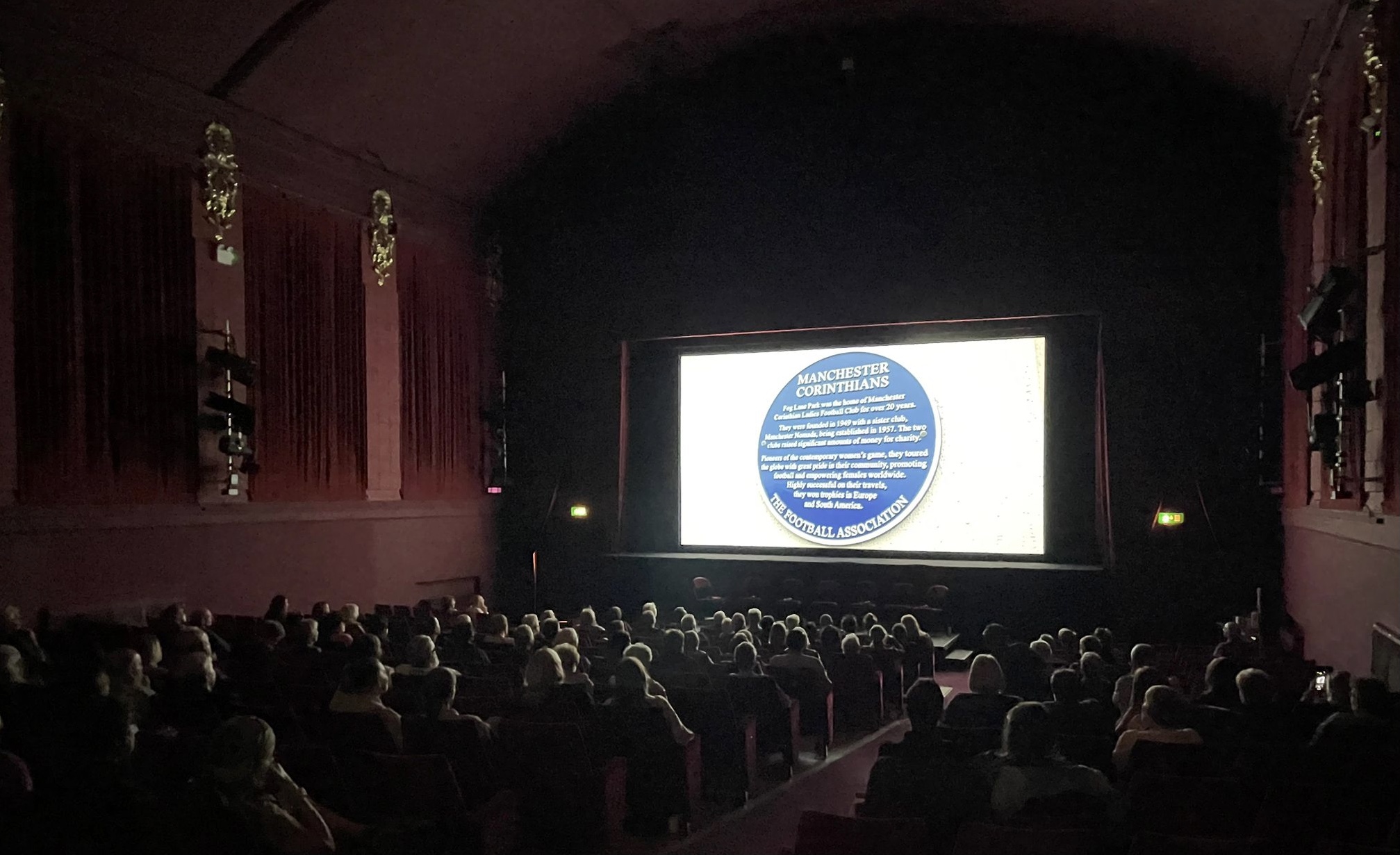
The biggest misconception is the claim that no other women’s teams existed in Manchester when the Corinthians were established. The facts tell a different story: the Corinthians were not the first post-WWII women’s team in the city, nor were they the only local side to tour abroad in the 1950s. Similarly, the role of these clubs in challenging the FA ban and establishing international, national, and regional competitions is still too often overlooked in mainstream spaces.

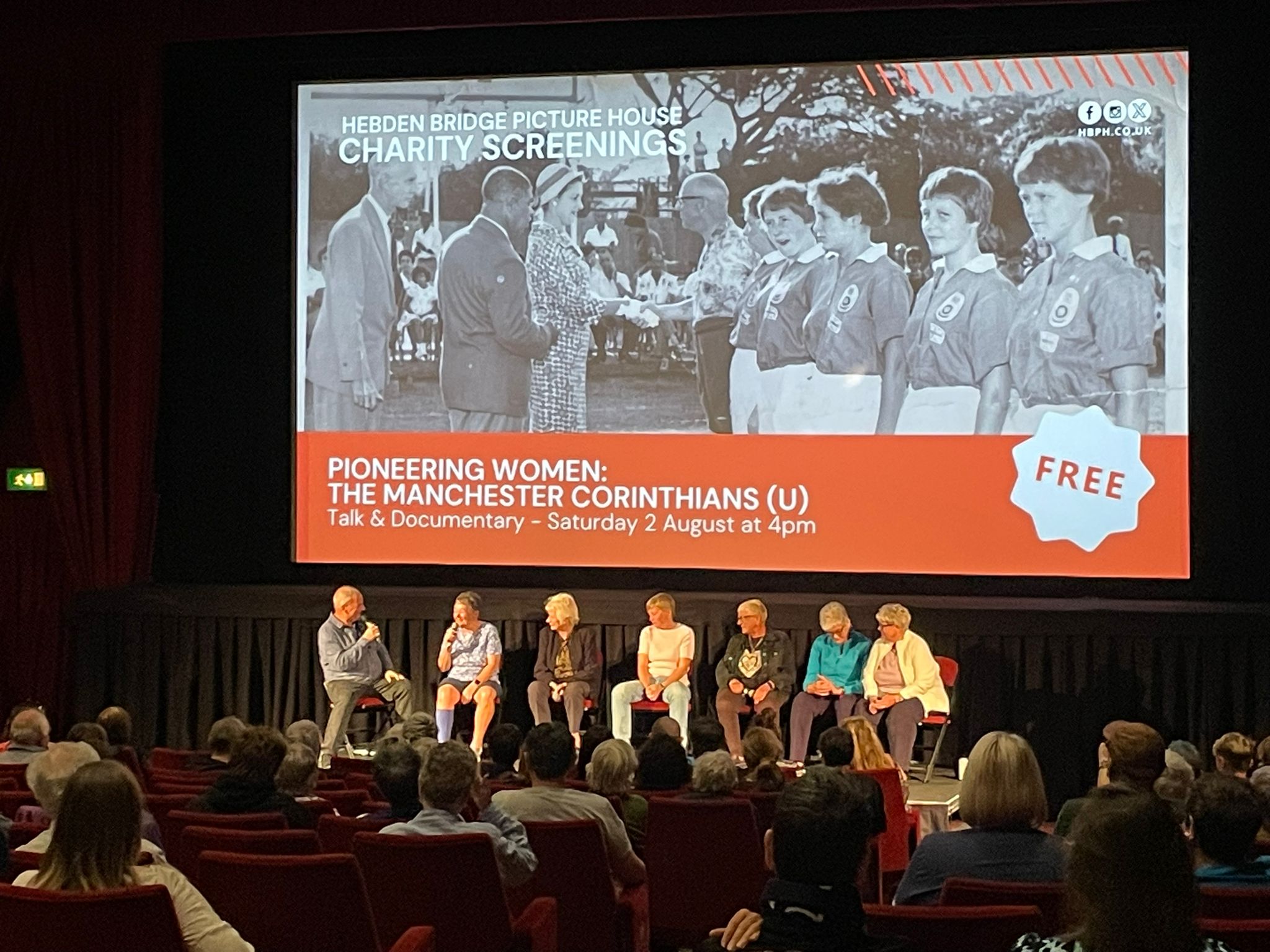
Correcting these narratives remains a priority through my ongoing books, talks, and lectures. Recently, this has continued down exciting avenues, including filming with UEFA, discussing theatrical projects for the stage, and holding serious developmental conversations with Manchester’s leading men’s clubs.

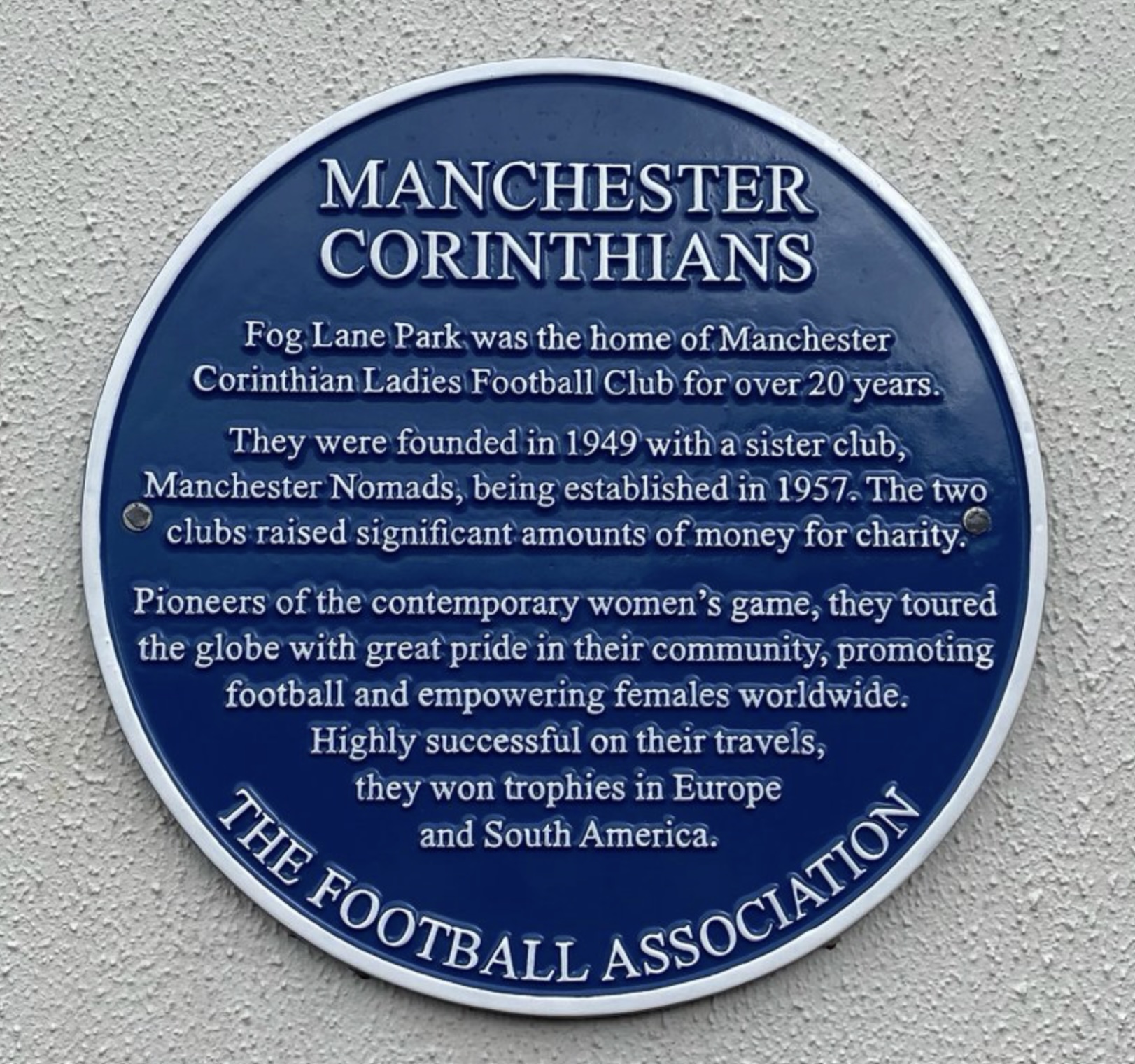
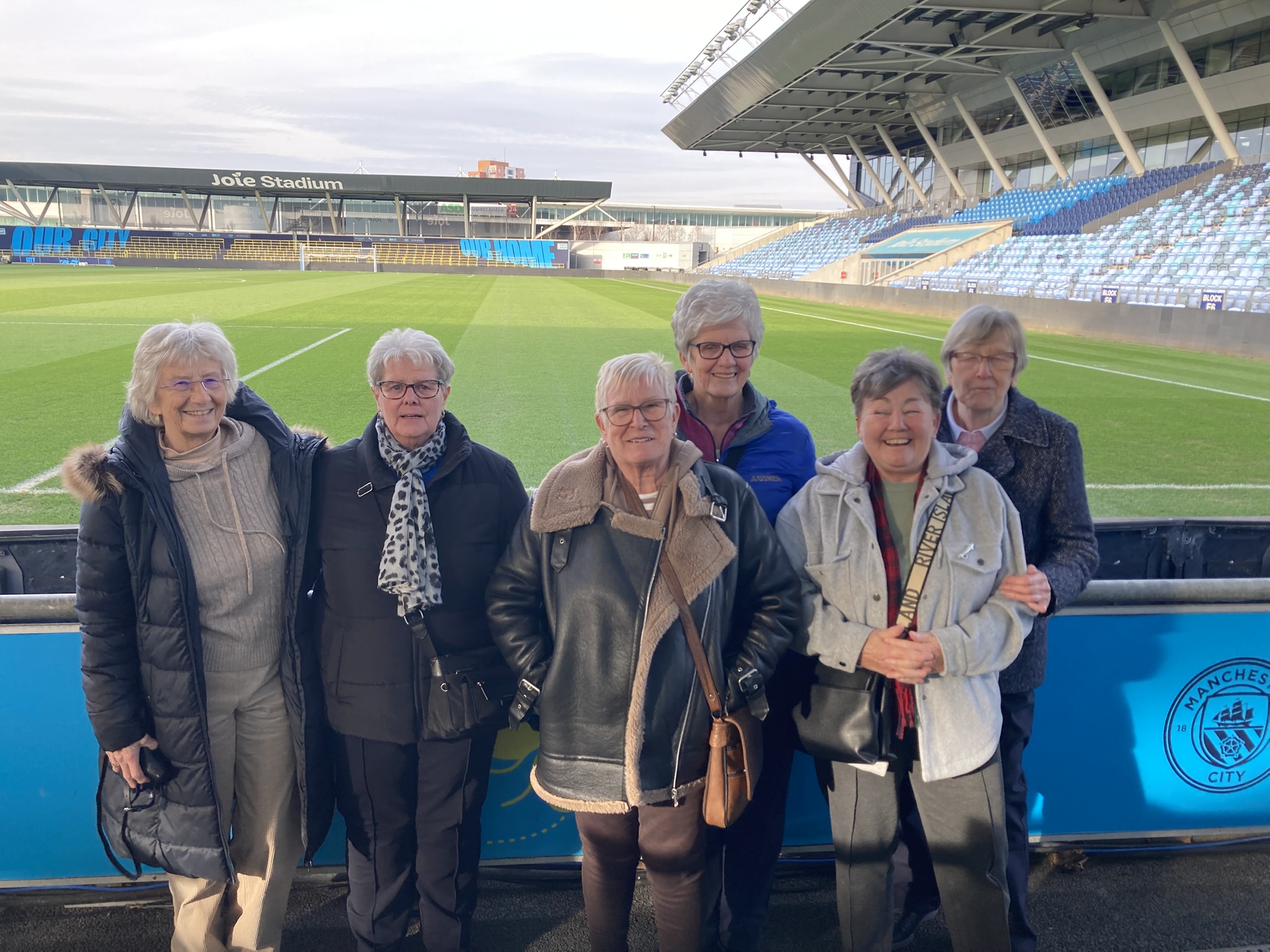
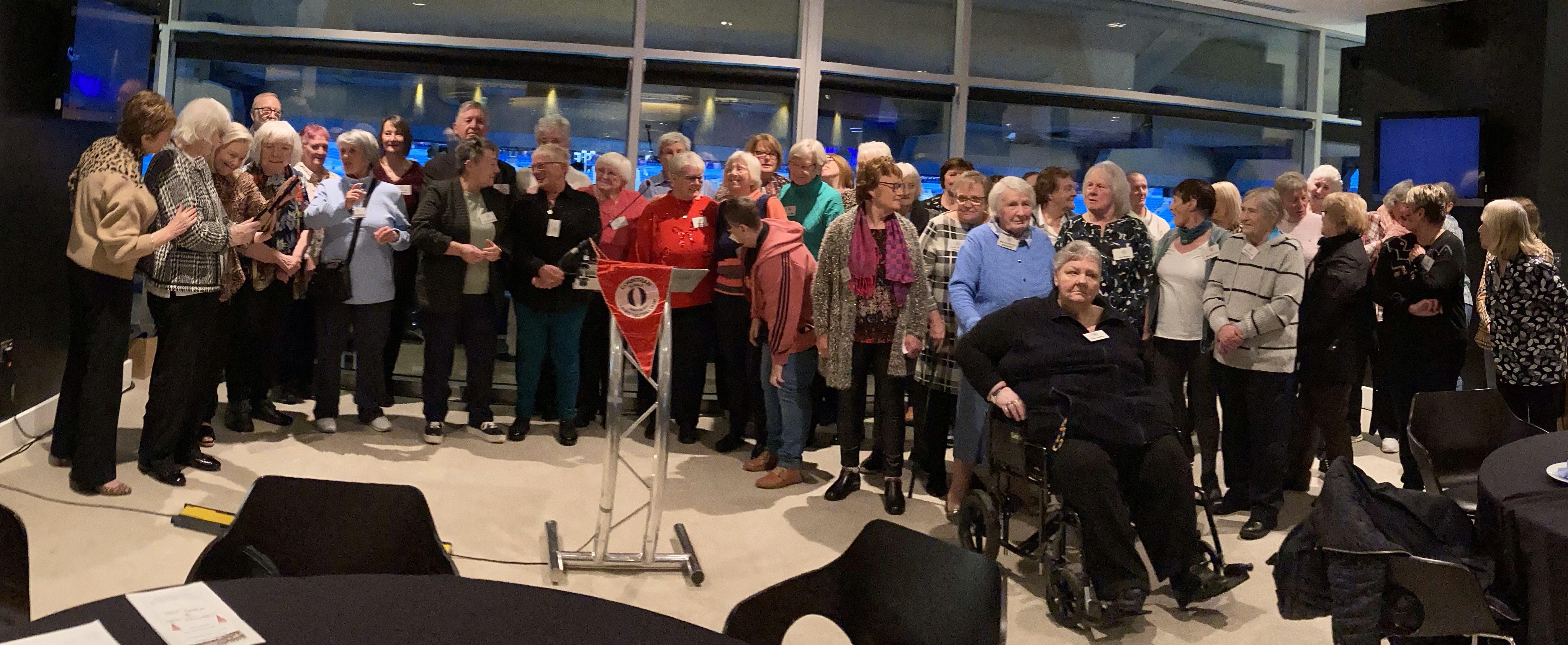
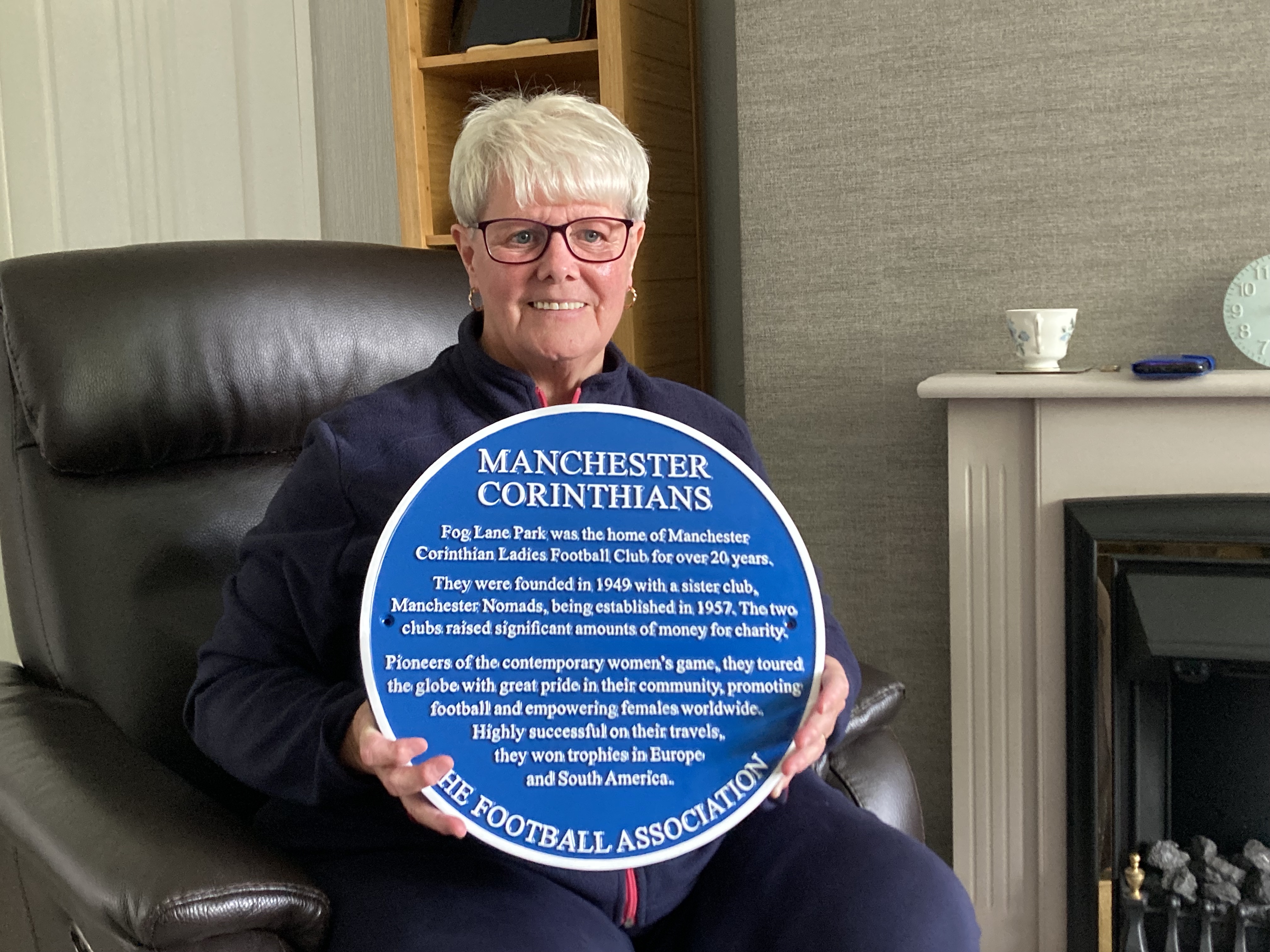
Looking back on the last eleven years, the journey has been profoundly rewarding. From creating the Corinthians’ blue plaque appeal and organising player reunions, to preserving the heritage of the early City Ladies, it has been an honour. Most of all, it has been a distinct pleasure to meet and engage with pioneering women across Europe, North America, and Australia who proudly played football in Manchester.

We have come a long way, but the storytelling continues. Watch this space!
Women’s Football in Manchester

With the latest edition of Manchester Corinthians: The Authorised History now at the designer, it feels like the perfect moment to reflect on an 11-year project into the history of women’s football in Greater Manchester.

When I began this project in 2015, there was no comprehensive, documented history of Manchester City’s early women’s team, nor of the pioneering Manchester Corinthians—two important teams that won leagues and competitions long before the establishment of the WSL. For years, many of the women who played for these teams felt excluded. Every time historians or the media repeated inaccurate assumptions, it felt as though those who played their part in building the foundations of the game were being deliberately erased from memory.

Over the past decade, this project has worked to change that by capturing the vital stories of players from the Corinthians, Nomads, All Stars, Dynamos, City, United, and beyond. The scale of this research includes:

• Over 50 personal interviews with Manchester Corinthians players alone.
• Approximately 90 interviews and chats with female players, spanning from the 1940s to recent icons like Jill Scott.
• Uncovering multiple founding Corinthians from the original 1948 squad.
• Unearthing a vibrant 1950s community of women’s football clubs spanning the north, south, west and east of the conurbation (complemented by Steve Bolton’s valuable research into Manchester Ladies).

I am incredibly proud that this research has brought these narratives into the public consciousness. The history of women’s football in Manchester is vastly better known today than it was eleven years ago.

However, there is still work to be done. Despite a decade of progress, historical misconceptions and origin myths continue to be repeated. As a passionate advocate for the Corinthians and their sister clubs, my goal is always to protect their legacy by focusing strictly on facts.

The biggest misconception is the claim that no other women’s teams existed in Manchester when the Corinthians were established. The facts tell a different story: the Corinthians were not the first post-WWII women’s team in the city, nor were they the only local side to tour abroad in the 1950s. Similarly, the role of these clubs in challenging the FA ban and establishing international, national, and regional competitions is still too often overlooked in mainstream spaces.

Correcting these narratives remains a priority through my ongoing books, talks, and lectures. Recently, this has continued down exciting avenues, including filming with UEFA, discussing theatrical projects for the stage, and holding serious developmental conversations with Manchester’s leading men’s clubs.

Looking back on the last eleven years, the journey has been profoundly rewarding. From creating the Corinthians’ blue plaque appeal and organising player reunions, to preserving the heritage of the early City Ladies, it has been an honour. Most of all, it has been a distinct pleasure to meet and engage with pioneering women across Europe, North America, and Australia who proudly played football in Manchester.

We have come a long way, but the storytelling continues. Watch this space!
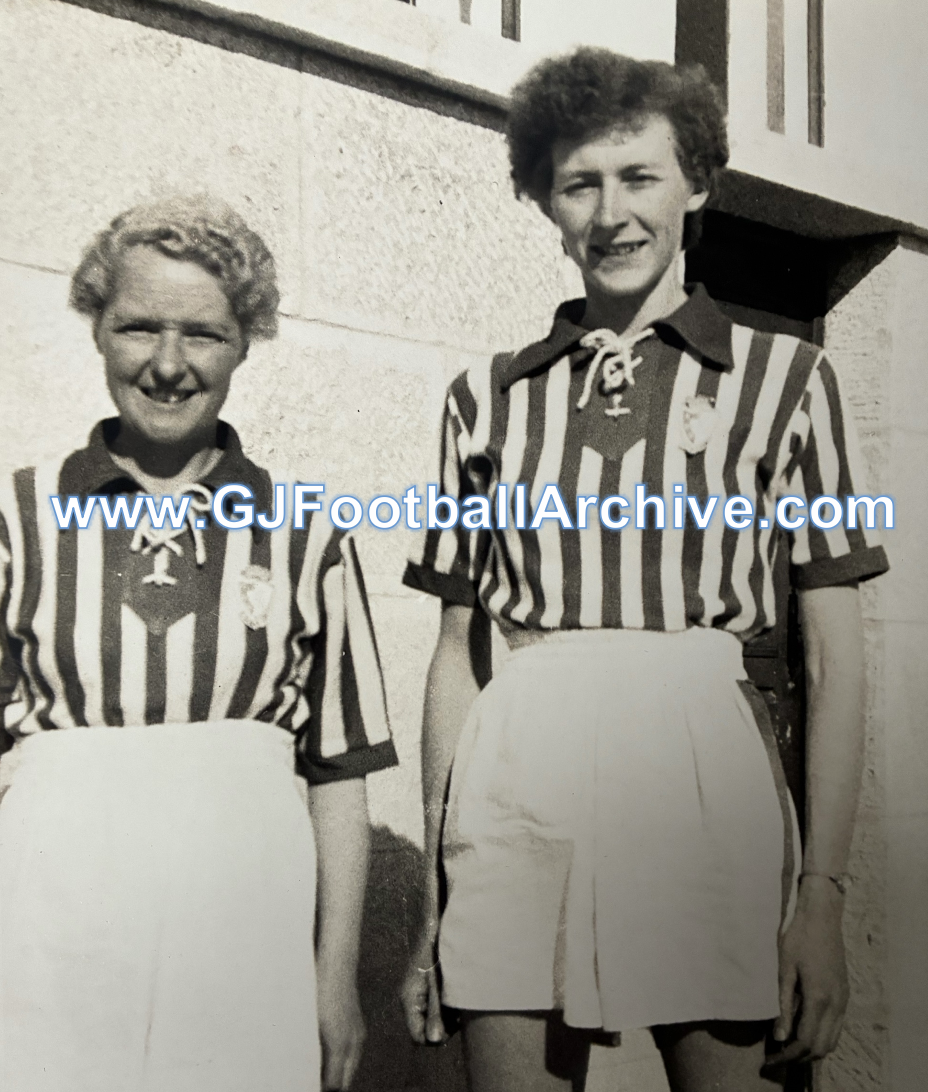
New Article: ‘The game of football is quite unsuitable for females and ought not to be encouraged’

Together with Fiona Skillen, Helena Byrne and John Carrier I have co-authored an article on women’s football and the impact of the 1921 #FABan. The reason we wrote this academic article was to highlight that too often we assume that what happened in England is what happened across Great Britain and Ireland. It isn’t and in this piece you can read an overview of each nation and what occurred. The article is open access/free to read here:

https://www.tandfonline.com/doi/10.1080/17460263.2021.2025415

I hope you enjoy that. We do see this article as a means of highlighting the differences and we see this as a call for more detailed research, properly triangulated, to ensure we uncover the true development of women’s football across England, Scotland, Wales, Northern Ireland and Ireland. No book has yet been published that comes anywhere close to telling the development of women’s football across each of these nations with some making assumptions that are simply not valid across each nation. Our article cannot cover everything but I hope it gives a taster for the topic.

Special thanks to Glasgow Caledonian University for making this open access. It really is appreciated.

It is worth reading the piece (well, it’s free so you may as well have a look!) to see what happened in your part of the UK and Ireland. For those with a Greater Manchester interest you’ll see mention of Manchester United, Bolton Wanderers, Manchester Corinthians and Manchester Ladies. Some interesting stuff on crowds. Also, if you’re a fan of Stoke City, Manchester City, Manchester United, Oldham Athletic or Everton you can see what happened to their former player Jimmy Broad when he tried to train a women’s football team in the 1950s!
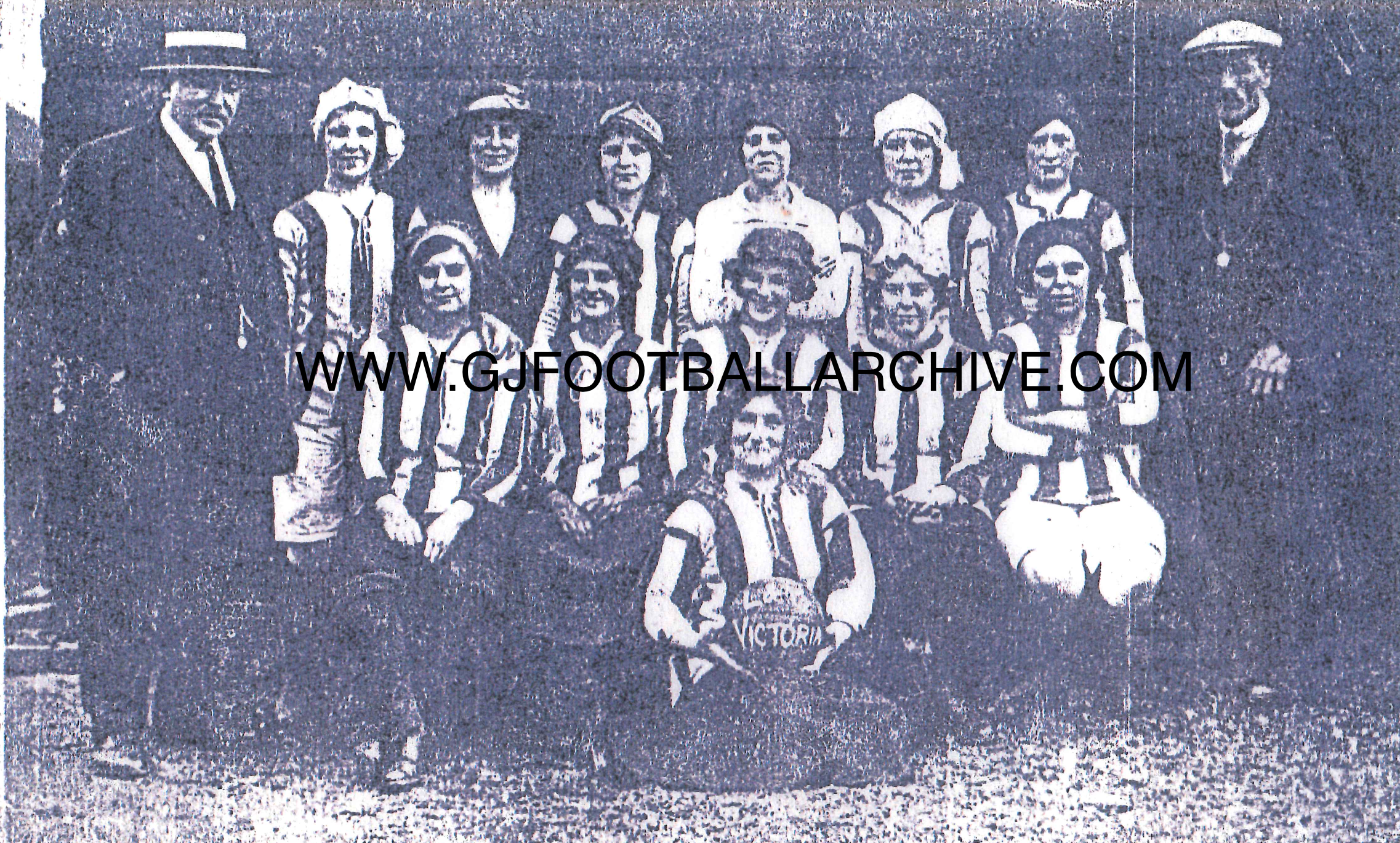
I have written other academic articles on women’s football but these tend to be behind a publisher’s paywall. If you have access via a library or university here’s one that may be of interest:

https://www.tandfonline.com/doi/full/10.1080/17460263.2020.1818613

While I’m talking about academic articles, one of my earlier articles on Manchester football is still free to read/download here:

https://www.tandfonline.com/doi/full/10.1080/17460263.2013.873075

#FA Ban – Tonight’s Show

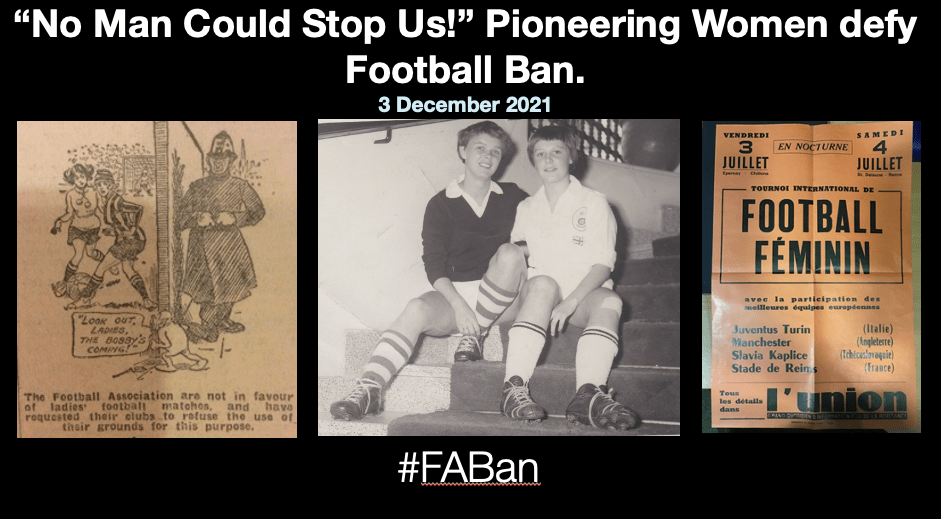
I’m really looking forward to tonight’s ‘No Man Could Stop Us!’ show at Hebden Bridge Town Hall. If you are coming then feel free to use the hashtag #FABan when mentioning it on social media. We have some excellent guests and I’ll be highlighting the history of women’s football from the nineteenth century through to the 1921 FA ban. I’ll then explain what happened to the sport over the following 50 years, until it was officially lifted in January 1970. We’ll be hearing from players who had lengthy careers with Manchester Corinthians, Manchester City, Manchester United, Redstar, Bronte, Doncaster Belles and England. It promises to be an excellent night.

Late next week I’ll post an article here on the evening’s events for those unable to make it. The evening has been sponsored by Geoff Matthews and his company Cansquared – thank you for all your support and enthusiasm.

International Women’s Day – Manchester Football

Today (8th March 2021) is International Women’s Day and so I thought I’d post a few links to great content about pioneering women connected to Manchester football on this website.

My intention over the coming months and years is to make http://www.GJFootballArchive.com an archive of my past writing and new material on all aspects of football in the Manchester region (and material on activity beyond Manchester or involving national figures connected with the region). To subscriber to my site then please see the details below.

This includes material on the women’s teams of Manchester, such as the pioneering Wythenshawe/Manchester Ladies of the 1940s & 1950s; the Manchester Corinthians (globe trotting pioneering team of the 1940s to 1980s); Manchester City; Manchester United and the other clubs, such as FC Redstar, that have existed in our region. It also includes profiles and interviews with footballers; those working in football and the media; footballers’ partners; supporters and more.

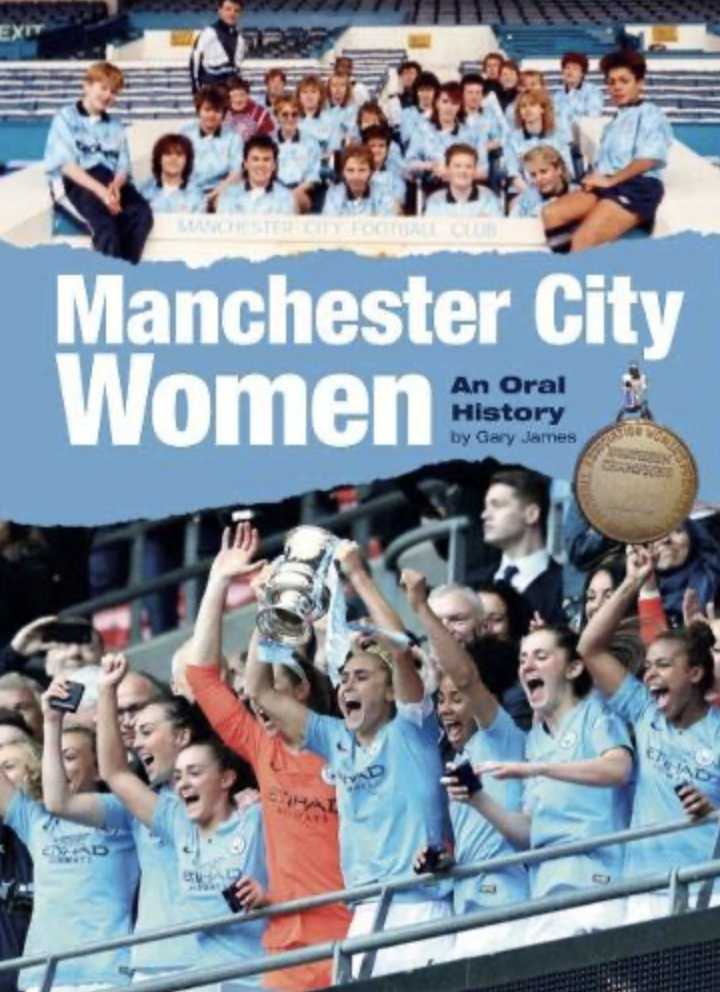
All of this is based on my detailed research and writing on football in the region. I attended my first women’s game in 1988 (home team was F.C. Redstar) and was a regular at their games and Manchester City Ladies (now Women) during their formative years, including brief details on their first ever game in my first book published in 1989. Since then I’ve also written Manchester City Women: An Oral History (see https://gjfootballarchive.com/shop/ to order copies) and am researching for a detailed history on women and football in Manchester at the moment.

Listed here are a few links to articles connected with women, football and Manchester that may be of interest:

I did an interview with Premier League World on Manchester City Women. It’s episode 38 and can be viewed here (if you have Amazon Prime): https://www.amazon.co.uk/Premier-League-World/dp/B08HDGSNZN Or it can be viewed on the following channels:

BT Sport 1                                      Monday              12pm

BT Sport 1                                      Tuesday              12:30am

Sky Sports Premier League         Thursday            5pm

Sky Sports Premier League         Friday                  3pm

Sky Sports Premier League         Saturday             8am

The feature is the last one shown in the programme, so please keep watching to the end. The piece starts after about 18 minutes.

Here’s a story about Jan Lyons, a Mancunian who went to play for Juventus in the 1970s: https://gjfootballarchive.com/2020/12/26/the-italian-job-a-manchester-corinthians-journey/

Here’s a piece I’ve written on the Manchester Corinthians: https://gjfootballarchive.com/2021/02/14/pioneering-mancunian-women/

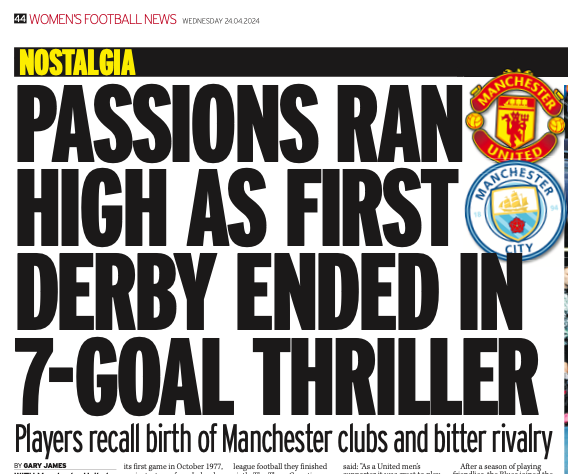
A piece on games between Manchester City and Manchester United: https://gjfootballarchive.com/2021/02/11/manchester-city-v-manchester-united/

The story of Manchester City’s relaunch: https://gjfootballarchive.com/2021/01/24/manchester-citys-womens-team-the-relaunch/

The earliest film of Manchester City Ladies/Women: https://gjfootballarchive.com/2021/01/22/manchester-city-ladies-the-earliest-film/

An academic article on my Manchester City Women project: https://gjfootballarchive.com/2021/01/07/establishing-women-in-sports-history-manchester-city-football-club/

Here’s Steve Bolton’s guest blog on Manchester Ladies from 1940s/50s. Part One: https://gjfootballarchive.com/2021/02/26/guest-blog-steve-bolton-the-pioneering-manchester-ladies-part-one/

Part Two: https://gjfootballarchive.com/2021/03/05/guest-blog-steve-bolton-the-pioneering-manchester-ladies-part-two/

To access all of the above and everything else on this site please subscribe:

Subscribe to get access

If you would like to read all the in-depth articles on this site (including the entire Manchester A Football History book and the audio interview with John Bond) then please subscribe. It works out about £1.67 a month if you take out an annual subscription (£20 per year) or £3 a month if you’d like to sign up for a month at a time. Each subscriber gets full access to the 270+ articles posted so far and the hundreds scheduled to be posted in the coming weeks.