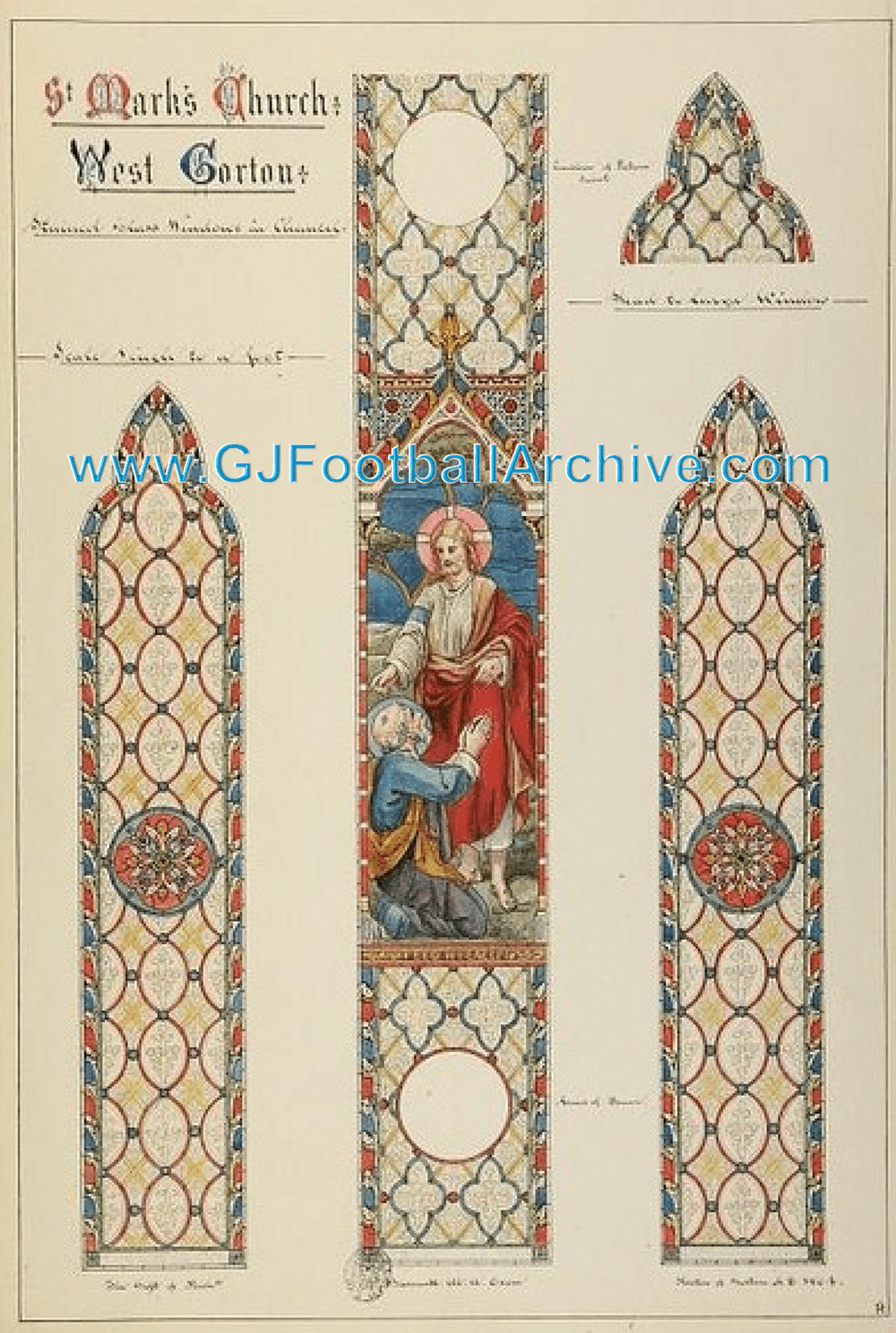
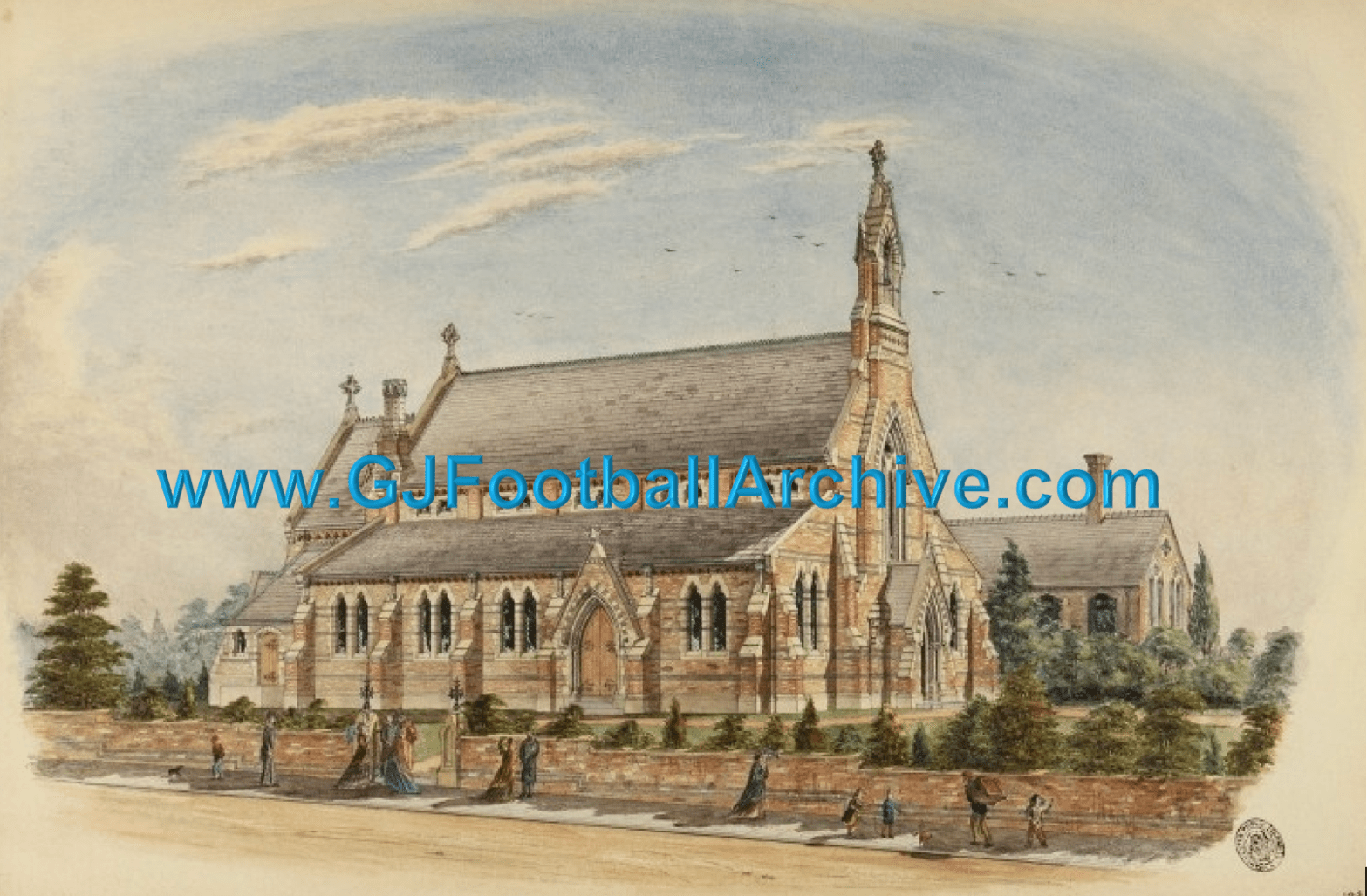
Continuing here: the story of Manchester City’s origins. Today’s feature is on the late 1870s. Association football clubs were in existence in Manchester during this period and the steps that led to the formation of St Mark’s West Gorton occurred too. Below is a 2,500+ word article on that period and the latest part of a series looking at Manchester City’s origins prior to 1890.
Already there are seasonal articles on every season from 1890-91 (Ardwick) through to 2009-10 and now, throughout February, I’ll be adding the history of the Club prior to 1890. I’ll be telling via a series of articles the story of key individuals/origins/moments that contributed to the establishment of a football club. The series continues below with this feature on the late 1870s.
Subscribe to get access
These articles will be available to subscribers to this site. It costs £3 per month (cancel any time) or sign up for a year for the discounted price of £20 per year (works out about £1.67 a month to access every article on this site). To date in excess of 1,500 articles/features have been posted including interviews, talks and more.
If you enjoy all the free material on my website and would like to support my research and keep this website going (but don’t want to subscribe) then why not make a one-time donation (or buy me a coffee). All support for my research is valued and welcome. It allows me to keep some free material available for all. Thanks.
Continuing here: the story of Manchester City’s origins. Today’s feature is on the early 1870s. Association football clubs were starting to develop in Manchester, although the clubs that led to the formation of Manchester City were still a few years off. Below is a 1000+ word article on that period and the latest part of a series looking at Manchester City’s origins prior to 1890.
Already there are seasonal articles on every season from 1890-91 (Ardwick) through to 2009-10 and now, throughout February, I’ll be adding the history of the Club prior to 1890. I’ll be telling via a series of articles the story of key individuals/origins/moments that contributed to the establishment of a football club. The series continues below with the second feature on the early 1870s.
Subscribe to get access
These articles will be available to subscribers to this site. It costs £3 per month (cancel any time) or sign up for a year for the discounted price of £20 per year (works out about £1.67 a month to access every article on this site). To date in excess of 1,500 articles/features have been posted including interviews, talks and more.
If you enjoy all the free material on my website and would like to support my research and keep this website going (but don’t want to subscribe) then why not make a one-time donation (or buy me a coffee). All support for my research is valued and welcome. It allows me to keep some free material available for all. Thanks.
Continuing here: the story of Manchester City’s origins. Today’s feature is on the 1860s. As I’ve mentioned previously, this was before association football clubs were in existence in East Manchester but steps were taken in the this decade that would ultimately lead to the establishment of teams in West Gorton. Below is a 1500+ word article on that period and the second part of a series looking at Manchester City’s origins prior to 1890.
Already there are seasonal articles on every season from 1890-91 (Ardwick) through to 2009-10 and now, throughout February, I’ll be adding the history of the Club prior to 1890. I’ll be telling via a series of articles the story of key individuals/origins/moments that contributed to the establishment of a football club. The series continues below with the second feature on the 1860s.
Subscribe to get access
These articles will be available to subscribers to this site. It costs £3 per month (cancel any time) or sign up for a year for the discounted price of £20 per year (works out about £1.67 a month to access every article on this site). To date in excess of 1,500 articles/features have been posted including interviews, talks and more.
If you enjoy all the free material on my website and would like to support my research and keep this website going (but don’t want to subscribe) then why not make a one-time donation (or buy me a coffee). All support for my research is valued and welcome. It allows me to keep some free material available for all. Thanks.
It’s now almost 40 years since I first started detailed research into the history of Manchester City and its origins, and it’s an area that is still fascinating. I still keep being asked about the origins of Manchester City, particularly the period prior to 1894 and I love the fact so many are interested in the steps that led to the establishment of what has become a major, global footballing power. I’ve posted much about those early years on this site but I know it’s often in a scattered style making it difficult to find, so here for those interested, are links to past articles on key figures and moments in the St Mark’s, West Gorton, Gorton AFC, Ardwick & associated clubs’ history. Tomorrow from noon for 24 hours I’ll be giving free access to a video I did a while back on the origins (details of the video lower down this page).
Firstly, the earliest known game (note: not necessarily the first game!):
Walter Chew, a man occasionally described as ‘The Father of Manchester City’ (though he himself tells a different story and in a 1920s interview told his eye witness story of who the actual founder was):
A man every Blue should know about, Lawrence Furniss. A player with Gorton, Ardwick secretary-manager, MCFC director, chairman responsible for move to Maine Road, Life President when City won the title in 1937. He saw it all and was involved from the 1880s through to 1940s when he died:
The facts not the fiction…. There are so many myths, assumptions, exaggerations etc. doing the rounds so hopefully this piece I wrote a few years back helps to explain:
On 1 February 2023 I performed an online talk on the latest research into the origins of City, focusing on the period prior to 1887 when the club was based in the West Gorton and Gorton areas. Tomorrow from noon I’ll post this for all to see for free for 24 hours, but if you can’t wait or miss it then it is already available here for subscribers to the site:
There are still many gaps in our knowledge even though material has been rediscovered in recent years. There are some things we won’t know but over the coming weeks I’ll post more on the early years. Some will be available to all, some to subscribers but I’m sure there’ll be lots out there to enjoy.
In the meantime why not search the website or use the tags to see articles on the period prior to 1894. Every season of the 1890s for example has a detailed article written about it while individual games, players and related stories are also included within the thousands of posts on this site. Here’s a link to the 1890-91 season for example:
The origins of Manchester City, like many other clubs, have been misunderstood or incorrectly reported over the years and there are many areas of ongoing research that will fill the gaps over the coming years. It takes time and effort to research at the level needed. When I first started researching there were some stories that had been passed down for years that have since been challenged and corrected but there are many other areas to reflect on. There are, of course, many other areas where further research is still needed.
For years I’ve worked with a variety of people on the origins of City (one of the key elements of my PhD research was on the origins of men’s and women’s football in Manchester and my research into this continues). In the 2010s MCFC set up a research group called Project Blue which I willingly helped and explained the myths that exist and what we still don’t know. The following slide was part of a lengthy presentation I performed on 14 December 2011 on that where I explained how we got where we were at the time and those who had worked together on uncovering the club’s early history.
One of my slides presented to the history research group Project Blue on research into Manchester City’s origins on 14 December 2011
I was always grateful to Dennis Chapman, John Maddocks and Ray Goble who welcomed me into their ‘club’ of research and others, such as Dave Masey who, like me, was a member of the Association of Football Statisticians. Dave continues to help my research. Thanks to these guys and others when I was starting out I have tried to ensure I help and support others researching. The more we research and share, the greater our collective knowledge.
There is still much to be done and sadly lots we will never know.
Whatever research is uncovered over the coming years one thing is clear and that is the history and origins of Manchester City are wrapped up in community initiatives and a desire by some to use football as a positive, community building enterprise. People like William Sumner, Walter & William Chew, Lawrence Furniss and Joshua Parlby should always be remembered for their part in the formative years of football in our city.
There is much research still to be done. If you’d like to support this research then please subscribe to the site and you’ll have access to hundreds of articles, interviews, talks etc. You could join for a month and see what you think.
Subscribe to get access – Annual
To support the site and have access to everything posted costs £20 a year (about £1.67 a month) or £3 to subscribe a month at a time (see below).
Monthly subscribers access everything posted since 1 October 2022 and can cancel anytime. All subscribers access everything posted during their subscription too.
If you enjoy all the free material on my website and would like to support my research and keep this website going (but don’t want to subscribe) then why not make a one-time donation (or buy me a coffee). All support for my research is valued and welcome. It allows me to keep some free material available for all. Thanks.