I was recently interviewed for the Christie Scanlon podcast and the video has now been posted. I talk about origins of both City and United, City’s badge consultation, chants and much more. It lasts about one hour and you can watch it on Christie’s channel here:
I enjoyed doing this and Christie’s a good interviewer and host. It looks like Christie’s used an automated captioning software that has made a few typos with names etc. – that’ll be because of my accent – but listen and watch. I’m sure you’ll enjoy it.
This month (January) marks the 75th anniversary of the Manchester Corinthian Ladies Football Club and this year will see the publication of my authorised history of the club. As well as all the great stuff about the women who played fans of Manchester City and Manchester United may be interested to learn of the role Matt Busby, Johnny Carey, Bert Trautmann & Dave Ewing played in the history of the Manchester Corinthians.
There’s some fascinating information about those four men and other Manchester footballing legends – including the Corinthians themselves of course! – getting involved with the club.
If you’re interested in the book then you can order it below.
This book is a must for anyone interested in Manchester or women’s football and will consist of over 300 pages. It will be fully illustrated throughout and subscribers can order it now for £19.95 (including UK postage and packaging). All orders received before 31st March 2024 will have the purchaser’s name included within the special roll of honour at the back of the book. You can order the book for someone else – all details will be checked and confirmed before publication.
The book will be published this summer.
If you live outside the UK then please contact for details of additional postage costs.
You do not need to have a PayPal account to order – use the ‘Pay with PayPal’ button above and it will give you the option to pay by credit/debit card without creating a PayPal account.
Manchester Corinthians: The Authorised History
The story of a pioneering women’s club as told to Gary James by those who were there
£19.95
The book will include the story of the club as told by the women involved, alongside a significant amount of archive material. Myths will be corrected and the facts of this pioneering club will be told in an easy to read format.
Guided by founder Percy Ashley, the club went on to represent Manchester, football and female endeavour for decades, winning major international tournaments in Europe and South America. The Corinthians are, without doubt, one of the most important football clubs ever to come from Manchester and they were a prominent and pioneering club in so many ways.
As well as the interviews and dozens of archive trips there’s been a concerted effort to compile as comprehensive list as possible on women who played for the club. I’ve managed to compile a list of around 300 women who played for the club. Objects and trophies have also been rediscovered. This is the type of detailed research I enjoy. It’s time consuming, difficult and often frustrating but occasionally you find a little gem that adds significantly to our knowledge. There have been quite a few of those.
I’m still keen to hear from any former player who can add their voices to the history of the club, though the research and writing stage will be ending soon, so please get in touch as soon as possible. Please email Gary@GJFootballArchive.com with your name, rough dates you played and contact details.
Those subscribing to the book will receive a copy signed by author Gary James and posted out to subscribers before it appears in any shop or is distributed to any retailer. This is the ONLY way to guarantee your copy.
Manchester Corinthians: The Authorised History will include interviews with players from every era of the club from a founding player back in 1949 through to those playing for the club in its final days over 40 years later (yes, that’s right – over 40 years later!). The book will finally tell the story of the club from start to finish via the voices of the women who played. Via these voices the entire history of the club will be explained with the key figures identified and remembered. There’s a remarkable trail of women linking the first game with the last.
The book will be published to a similar style and quality to the acclaimed Manchester City Women: An Oral History and is destined to be another landmark publication on a major, pioneering women’s football club. Dozens of former players have been interviewed for this book and their remarkable stories and memories will be supported with an amazing array of photographs, newspaper articles, match programmes, trophies and other items of memorabilia from every era of the club’s existence.
Alongside chapters chronicling the history of the club there will also be features on founder Percy Ashley, who dedicated his life to promoting women’s football, and on Gladys Aikin (a key figure not only with the Corinthians but also with the early years of the Women’s Football Association) and George Aikin, who continued to take the Corinthians on tours into the 1980s. There will be special features on the major tours of the 1950s and 1960s when Percy Ashley led the Corinthians to major international success.
The cover of the book will be worked on by the designer over the coming months but following feedback from former players the maroon has been replaced with a darker blue, more reminiscent of the colour most frequently worn by the Corinthians (based on the reports, programmes and other material found so far and the majority of comments from players). This may still change of course (‘The Authorised History’ will probably change colour too). The back will contain later images and wording.
If you’d like to purchase my earlier book on women’s football then a limited number of copies, signed by me, are still available. You can order here:
Manchester City Women: An Oral History book
The first history of Manchester City’s women’s team, taking the story of the club from formation in 1988 until 2019-20 season.
£16.95 including UK postage (outside UK contact for additional postage costs)
This month (January) marks the 75th anniversary of the Manchester Corinthian Ladies Football Club. Over the last five years or so I’ve been planning to produce an authorised history of the club. Less than a week ago I opened up the opportunity for purchasers of the book to have their name included within a special roll of honour at the back of this authorised history. I’ve been delighted with the response. If you’re interested then you can order it below.
This book is a must for anyone interested in Manchester or women’s football and will consist of over 300 pages. It will be fully illustrated throughout and subscribers can order it now for £19.95 (including UK postage and packaging). All orders received before 31st March 2024 will have the purchaser’s name included within the special roll of honour at the back of the book. You can order the book for someone else – all details will be checked and confirmed before publication.
The book will be published this summer.
If you live outside the UK then please contact for details of additional postage costs.
You do not need to have a PayPal account to order – use the ‘Pay with PayPal’ button above and it will give you the option to pay by credit/debit card without creating a PayPal account.
Manchester Corinthians: The Authorised History
The story of a pioneering women’s club as told to Gary James by those who were there
£19.95
The book will include the story of the club as told by the women involved, alongside a significant amount of archive material. Myths will be corrected and the facts of this pioneering club will be told in an easy to read format.
Guided by founder Percy Ashley, the club went on to represent Manchester, football and female endeavour for decades, winning major international tournaments in Europe and South America. The Corinthians are, without doubt, one of the most important football clubs ever to come from Manchester and they were a prominent and pioneering club in so many ways.
As well as the interviews and dozens of archive trips there’s been a concerted effort to compile as comprehensive list as possible on women who played for the club. I’ve managed to compile a list of around 300 women who played for the club. Objects and trophies have also been rediscovered. This is the type of detailed research I enjoy. It’s time consuming, difficult and often frustrating but occasionally you find a little gem that adds significantly to our knowledge. There have been quite a few of those.
I’m still keen to hear from any former player who can add their voices to the history of the club, though the research and writing stage will be ending soon, so please get in touch as soon as possible. Please email Gary@GJFootballArchive.com with your name, rough dates you played and contact details.
Those subscribing to the book will receive a copy signed by author Gary James and posted out to subscribers before it appears in any shop or is distributed to any retailer. This is the ONLY way to guarantee your copy.
Manchester Corinthians: The Authorised History will include interviews with players from every era of the club from a founding player back in 1949 through to those playing for the club in its final days over 40 years later (yes, that’s right – over 40 years later!). The book will finally tell the story of the club from start to finish via the voices of the women who played. Via these voices the entire history of the club will be explained with the key figures identified and remembered. There’s a remarkable trail of women linking the first game with the last.
The book will be published to a similar style and quality to the acclaimed Manchester City Women: An Oral History and is destined to be another landmark publication on a major, pioneering women’s football club. Dozens of former players have been interviewed for this book and their remarkable stories and memories will be supported with an amazing array of photographs, newspaper articles, match programmes, trophies and other items of memorabilia from every era of the club’s existence.
Alongside chapters chronicling the history of the club there will also be features on founder Percy Ashley, who dedicated his life to promoting women’s football, and on Gladys Aikin (a key figure not only with the Corinthians but also with the early years of the Women’s Football Association) and George Aikin, who continued to take the Corinthians on tours into the 1980s. There will be special features on the major tours of the 1950s and 1960s when Percy Ashley led the Corinthians to major international success.
The cover of the book will be worked on by the designer over the coming months but following feedback from former players the maroon has been replaced with a darker blue, more reminiscent of the colour most frequently worn by the Corinthians (based on the reports, programmes and other material found so far and the majority of comments from players). This may still change of course (‘The Authorised History’ will probably change colour too). The back will contain later images and wording.
If you’d like to purchase my earlier book on women’s football then a limited number of copies, signed by me, are still available. You can order here:
Manchester City Women: An Oral History book
The first history of Manchester City’s women’s team, taking the story of the club from formation in 1988 until 2019-20 season.
£16.95 including UK postage (outside UK contact for additional postage costs)
75 years ago today (5 January 1949) the Manchester Corinthian Ladies Football Club was founded. Guided by founder Percy Ashley, the club went on to represent Manchester, football and female endeavour for decades, winning major international tournaments in Europe and South America. The Corinthians are, without doubt, one of the most important football clubs ever to come from Manchester and they were a prominent and pioneering club in so many ways.
Happy anniversary to all those who played for or were involved with the club from its formation through to its final days. What a wonderful club to have been a part of!
Over the last decade Dr Gary James has been researching, interviewing, writing about and promoting the Corinthians’ achievements and stories. In December his quest to have a permanent public tribute to the Corinthians reached its conclusion with the unveiling of a blue plaque and other tributes at Fog Lane Park (you can read more about this elsewhere on this site) and over the last five years or so Gary has been planning to produce an authorised history of the club.
The book will be published this summer but the opportunity for people to order and subscribe to the book is now possible. The research undertaken and the publication of the book will be funded entirely by Gary, with those subscribing to the book pre-publication helping to support this wonderful record of a remarkable football club.
Gary says: ‘As well as the interviews and archive trips there’s been a concerted effort to compile as comprehensive list as possible on women who played for the club. I’ve managed to compile a list of around 300 women who played for the club. Objects and trophies have also been rediscovered. This is the type of detailed research I enjoy. It’s time consuming, difficult and often frustrating but occasionally you find a little gem that adds significantly to our knowledge. There have been quite a few of those.
‘I’m still keen to hear from any former player who can add their voices to the history of the club, though the research and writing stage will be ending soon, so please get in touch as soon as possible. Please email Gary@GJFootballArchive.com with your name, rough dates you played and contact details.’
Those subscribing to the book will get their names included within a special roll of honour published within this authorised history. In addition the book will be signed by author Gary James and posted out to all subscribers before it appears in any shop or is distributed to any retailer. This is the ONLY way to guarantee your copy.
Manchester Corinthians: The Authorised History will include interviews with players from every era of the club from a founding player back in 1949 through to those playing for the club in its final days over 40 years later (yes, that’s right – over 40 years later!). The book will finally tell the story of the club from start to finish via the voices of the women who played. Via these voices the entire history of the club will be explained with the key figures identified and remembered. There’s a remarkable trail of women linking the first game with the last.
The book will be published to a similar style and quality to Gary’s acclaimed Manchester City Women: An Oral History and is destined to be another landmark publication on a major, pioneering women’s football club. See below for details of how to subscribe.
Dozens of former players have been interviewed for this book and their remarkable stories and memories will be supported with an amazing array of photographs, newspaper articles, match programmes, trophies and other items of memorabilia from every era of the club’s existence.
Alongside chapters chronicling the history of the club there will also be features on founder Percy Ashley, who dedicated his life to promoting women’s football, and on Gladys Aikin (a key figure not only with the Corinthians but also with the early years of the Women’s Football Association) and George Aikin, who continued to take the Corinthians on tours into the 1980s. There will be special features on the major tours of the 1950s and 1960s when Percy Ashley led the Corinthians to major international success.
This book is a must for anyone interested in Manchester or women’s football and will consist of over 300 pages. It will be fully illustrated throughout and subscribers can order it now for £19.95 (including UK postage and packaging). All orders received before 31st March 2024 will have the purchaser’s name included within the special roll of honour at the back of the book. You can order the book for someone else – all details will be checked and confirmed before publication.
If you live outside the UK then please contact for details of additional postage costs.
You do not need to have a PayPal account to order – use the ‘Pay with PayPal’ button above and it will give you the option to pay by credit/debit card without creating a PayPal account.
Manchester Corinthians: The Authorised History
The story of a pioneering women’s club as told to Gary James by those who were there
£19.95
The cover of the book will be worked on by the designer over the coming months but following feedback from former players the maroon has been replaced with a darker blue, more reminiscent of the colour most frequently worn by the Corinthians (based on the reports, programmes and other material found so far and the majority of comments from players). This may still change of course (‘The Authorised History’ will probably change colour too). The back will contain later images and wording.
If you’d like to purchase Gary James’ earlier book on women’s football then a limited number of copies, signed by Gary, are still available. You can order here:
Manchester City Women: An Oral History book
The first history of Manchester City’s women’s team, taking the story of the club from formation in 1988 until 2019-20 season.
£16.95 including UK postage (outside UK contact for additional postage costs)
To all my family, friends and everyone who reads my work have a good New Year. I hope 2024 brings you everything you want from life. Best wishes to all.
A new series of articles starts tomorrow on Manchester City in the 1970s. There will be a seasonal journey through a truly important decade when Manchester City won three major trophies and challenged for the League. People often claim City has ‘no history’ which is nonsense of course, but this series of features will show how great the club’s history is. For the entire month of January there will be features to make every Blue proud.
Of course, this important decade in the history of Manchester City Football Club does see some lows too, but that’s football. It’s well worth remembering for any Blue who feels bombarded by negativity of the past that in the 1970s City won more major trophies than United; that in the 1970s City won their first major European trophy – years before many other ‘European giants’ won their first including Liverpool and Juventus (even Barcelona didn’t win a UEFA competition until AFTER City! Re-live the highs and lows of that decade.
If you’d like to read this series then please subscribe. Details below:
My series of articles covering the 1980s ends today. I’ve been posting them daily for several weeks now and they’ve ranged from simple ‘on this day’ style flashbacks to 10,000+ word indepth articles on particular seasons. Thanks for reading them and participating in this website. The 1980s was a truly important decade in the history of Manchester City Football Club and you can re-live the highs and lows of that decade for ever now. These articles will be available for as long as this website survives.
The site survives because of the support of subscribers and people who donate. You can find out about the benefits of doing that here:
Thanks again for your support and watch out for the next great series of articles as January becomes ‘1970s month’ on the website.
If you enjoy all the free material on my website and would like to support my research and keep this website going (but don’t want to subscribe) then why not make a one-time donation (or buy me a coffee). All support for my research is valued and welcome. It allows me to keep some free material available for all. Thanks.
Well, it’s survived! This website is now three years old and I’d like to thank all those who have subscribed or donated to keep it going. Like many people I’m self-employed and all my research is funded by myself, or via people buying my books or subscribing/donating to this site. I do occasionally do paid projects with various organisations, but this website has been the main source of my writing for the last three years. It survives because it’s supported by subscribers and I am eternally grateful for their support.
When I set out to create this site in December 2020 I wanted to ensure there’d be good content that was free, alongside PDFs of some of my books, audio interviews, lengthy articles and other features that were available to subscribers. It has become a repository for some of my work and my intention remains to make this a comprehensive record and archive.
For over 500 consecutive days there has been at least one article/feature a day posted, while in total there are over 1300 posts ranging from simple on this day style features to indepth 10,000 word articles and audio interviews of one hour or more. There are video talks on various MCFC related topics too. Over the coming year this will be added to significantly as I intend to publish more indepth articles, starting on New Year’s Day. In fact the month of January will be dedicated to the 1970s as I publish at least one feature each day throughout the month on something from that decade. Like the 1980s features I’ve posted recently there will be indepth articles on each 1970s season plus other features.
If you’d like to read these articles and everything else on the site then why not subscribe? It costs £3 a month (cancel anytime) or there’s a discounted £20 a year offer too. It’s less than the cost of a history book but there’s so much here. You could always sign up for a month and see what you think. You can find out how here:
If you are unable to sign up but would still like to say ‘thanks for the free stuff on your site’ then a small donation to help pay tram fare to Central Library or other locations to do my research would be appreciated too:
If you enjoy all the free material on my website and would like to support my research and keep this website going (but don’t want to subscribe) then why not make a one-time donation (or buy me a coffee). All support for my research is valued and welcome. It allows me to keep some free material available for all. Thanks.
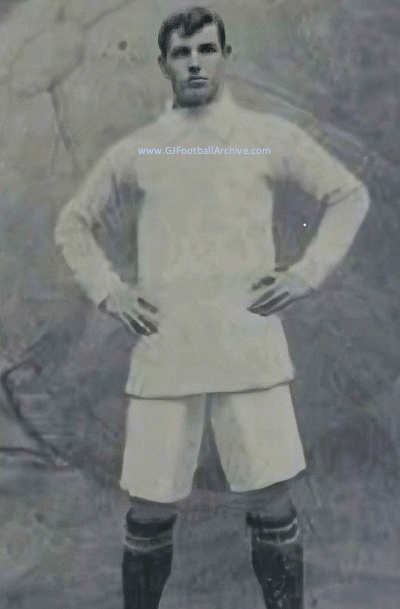
At 6pm today Manchester City will take on Brazilian side Fluminense in the FIFA Club World Cup final. The connections between MCFC & Fluminense go back over a century. Did you know that City played a part in the early development of this mighty Brazilian club? One of City’s earliest goalkeepers, Charlie Williams, became regarded as Fluminense’s first true manager/coach. That’s a big deal and well worth remembering.
A while ago Morten Olesen, a longstanding Danish Blue, wrote a lenghy guest blog on Williams and it’s still available free of charge here:
It’s well worth reading. At one point Olesen comments: ‘In 1911, almost 10 years after its founding, Fluminense was looking for their first coach. The choice had fallen on the now almost 40-year-old Charlie Williams, who was persuaded to take the job for a salary of £ 18 a month (well over £ 2000 in 2021 money) two return trips to England, as well as free board and lodging.’
If you use any of this material please ensure you credit Morten for his research.
Have a read of the article and then search the site for anything else you’re interested in. In fact why not subscribe? For details see:
If you enjoy all the free material on my website and would like to support my research and keep this website going (but don’t want to subscribe) then why not make a one-time donation (or buy me a coffee). All support for my research is valued and welcome. It allows me to keep some free material available for all. Thanks.
At 6pm on Friday Manchester City will take on Brazilian side Fluminense in the FIFA Club World Cup final. Fluminense are a team that we never dreamed City would meet in a truly competitive game and it’s caused some to ask whether there’s any connection between the clubs. Well, yes, there is and it’s a major one. One of City’s earliest goalkeepers, Charlie Williams, became regarded as Fluminense’s first true manager/coach. That’s a big deal and well worth remembering.
A while ago Morten Olesen, a longstanding Danish Blue, wrote a lenghy guest blog on Williams and it’s still available free of charge here:
It’s well worth reading. At one point Olesen comments: ‘In 1911, almost 10 years after its founding, Fluminense was looking for their first coach. The choice had fallen on the now almost 40-year-old Charlie Williams, who was persuaded to take the job for a salary of £ 18 a month (well over £ 2000 in 2021 money) two return trips to England, as well as free board and lodging.’
It’s interesting that over the last 24 hours or so there’s been an awful lot of traffic to Olesen’s guest blog, so it does show that people are desperate to find out about MCFC and Fluminense connections. If you use any of this material please ensure you credit Morten for his research.
Have a read of the article and then search the site for anything else you’re interested in. In fact why not subscribe? For details see:
If you enjoy all the free material on my website and would like to support my research and keep this website going (but don’t want to subscribe) then why not make a one-time donation (or buy me a coffee). All support for my research is valued and welcome. It allows me to keep some free material available for all. Thanks.



 Gary James' Football Archive